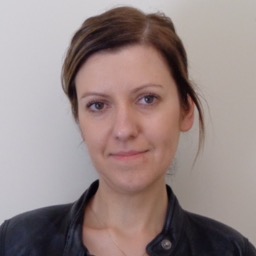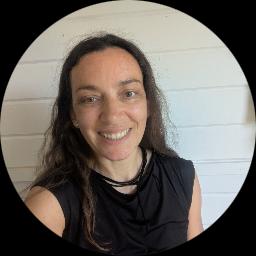
Joanna (Asha) Kaszczuk-Baulch
BACP, NCPS
13 years in practice BACP, NCPS English, Polish
Calm, practical counselling for real-life strain
- Stress & Anxiety
- Relationship
- Trauma and Abuse
UK counsellors online
50 counsellors name Polish among the languages they offer sessions in.
Accessing therapy in your native language can make it easier to express feelings, memories and cultural concerns. Below you can browse Polish-speaking therapists who work with clients in the UK.
Explore profiles to learn about each practitioner’s approach, focus areas and how they describe their practice, then use the guidance below to choose a match that feels right for you.
BACP, NCPS
13 years in practice BACP, NCPS English, Polish
Calm, practical counselling for real-life strain
BACP
9 years in practice BACP English, Polish
Experienced counsellor with a calm, listening approach
BACP
3 years in practice BACP English, Polish
Therapist blending humanistic care and practical tools
4 years in practice BACP English, Polish
Gentle, practical support for everyday struggles
BACP, NCPS
5 years in practice BACP, NCPS English, Polish
Practical, goal-focused therapy with steady support
BACP
3 years in practice BACP English, Polish
Support for stress and life changes
BACP, NCPS
5 years in practice BACP, NCPS English, Polish
Compassionate, practical support for life's hard moments
BACP
5 years in practice BACP English, Polish
Practical, compassionate therapy for life challenges
BACP
20 years in practice BACP English, Polish
Experienced counsellor for relationships and life change
BACP
4 years in practice BACP English, Polish
Compassionate practical therapy for life challenges
5 years in practice NCPS English, Polish
Calm, practical therapy for anxiety and relationships
BACP
7 years in practice BACP English, Polish
Practical, trauma-aware counselling for everyday struggles
NCPS
4 years in practice NCPS English, Polish
Practical therapy for changing what matters
BACP
4 years in practice BACP English, Polish
Calm, person-focused counselling
BACP
6 years in practice BACP English, Polish
Person-centred counsellor for emotional change
BACP
17 years in practice BACP English, Polish
Compassionate client-centred counselling for complex issues
3 years in practice BACP English, Polish
Compassionate counsellor for life’s difficult moments
NCPS
4 years in practice NCPS English, Polish
Compassionate integrative counselling for real life
BACP, NCPS
6 years in practice BACP, NCPS English, Polish
Practical, compassionate counselling for everyday struggles
BACP
12 years in practice BACP English, Polish
Calm, practical help for stress and trauma
BACP
3 years in practice BACP English, Polish
Person-centred counselling with practical tools
BACP
8 years in practice BACP English, Polish
Practical therapy for stress and relationships
BACP
6 years in practice BACP English, Polish
Supportive counsellor for stressful life changes
3 years in practice BACP English, Polish
Compassionate counsellor for stress and addiction
BACP
3 years in practice BACP English, Polish
Practical, compassionate support for everyday struggles
BACP
3 years in practice BACP English, Polish
Calm, practical support for everyday struggles
BACP
4 years in practice BACP English, Polish
Gentle, practical support after trauma
BACP
4 years in practice BACP English, Polish
Practical, person-focused therapy for life’s hard moments
BACP
4 years in practice BACP English, Polish
Calm, practical counselling with psychodynamic insight
BACP
3 years in practice BACP English, Polish
Gentle, practical support for feeling more connected
HCPC
5 years in practice HCPC English, Polish
Compassionate practical support for life challenges
BACP, NCPS
7 years in practice BACP, NCPS English, Polish
Compassionate person-centred counsellor
7 years in practice NCPS English, Polish
Compassionate, practical therapy in English and Polish
BACP
10 years in practice BACP English, Polish
Practical, person-focused counselling and therapy
BACP
4 years in practice BACP English, Polish
Supportive integrative therapy for life’s difficult moments
BACP
15 years in practice BACP English, Polish
Calm, practical support for emotional challenges
BACP
15 years in practice BACP English, Polish
Experienced counsellor focused on healing and practical change
BACP
9 years in practice BACP English, Polish
Practical, collaborative therapy for life’s hard moments
BACP
5 years in practice BACP English, Polish
Compassionate counsellor focusing on practical change
We will earn a commission if you sign up through our link, at no cost to you.
When you speak in your first language you often have immediate access to a broader emotional vocabulary and cultural frames of reference. That can matter in therapy because subtle differences in tone, idiom and metaphor shape how you understand your experiences. You might find it easier to name complex feelings, recall childhood memories, or describe culturally specific dynamics when you and your therapist share a common linguistic background. Therapy in Polish can reduce the extra mental work of translating thoughts and feelings, letting you focus more fully on the therapeutic work itself.
Language also carries cultural meaning. Certain values, family roles or expectations may be understood differently in a Polish cultural context than in the wider British context. Speaking with a counsellor who speaks Polish can help you discuss these cultural layers without constantly explaining them. That does not mean every Polish-speaking therapist will interpret your experience the same way. Practitioners bring their own perspectives, lived experience and approaches. What matters is finding someone whose communication style, cultural sensitivity and therapeutic methods fit what you need.
When you and a therapist do not share a language, there is a risk of losing nuance. Some emotions are tied to expressions or sayings that do not translate neatly. Painful memories, humour, shame and affection can all be muted when you must search for equivalent words. That can slow progress or leave you feeling misunderstood. Miscommunication is not just about vocabulary - it can change how you sense the quality of the relationship and whether you feel safe to disclose intimate matters.
Even interpreters do not eliminate these challenges. Working through an interpreter adds another person into an already personal setting and can alter the rhythm of a session. You may find that using a therapist who speaks Polish directly preserves the immediacy of the conversation and allows for quicker emotional attunement. If you have previously experienced cultural or language-related misunderstandings in healthcare or social services, finding a therapist who understands both Polish language and cultural references can reduce the additional labour of explaining context and background during sessions.
Online therapy with a Polish-speaking counsellor can look similar to in-person work in many ways, while also offering practical differences. Sessions are most commonly scheduled for a set time each week and last for an agreed duration similar to face-to-face meetings. You should expect a conversation about your goals, background and what you hope to achieve in therapy at the start of the process. Therapists often describe the approaches they use and the kinds of issues they usually support, and some list therapeutic methods such as cognitive approaches, psychodynamic work or trauma-focused techniques among their approaches.
Online sessions typically take place using video calls, telephone or messaging, depending on what the counsellor offers. Video calls can help maintain visual cues that are important in communication, such as facial expression and body language, which you will miss in text-only formats. If you have limited internet bandwidth or prefer not to use video, many practitioners can arrange telephone sessions. Make sure you have a comfortable, uninterrupted place to sit during your session where you will feel able to speak freely and reflect.
Therapists working with clients in the UK will usually explain their professional background, registration and the frameworks they work within. If having a practitioner who is registered or accredited in the UK matters to you, look for that information on their profile. You can also read about how they describe information-sharing boundaries and record-keeping policies, which will explain how they handle session notes and communications. These details help set expectations about how the working relationship is managed.
Many Polish speakers in the UK face similar barriers when they look for help. Cultural stigma about mental health can discourage people from reaching out. For some, asking for therapy feels like admitting weakness or betraying family expectations. Older generations may have different beliefs about counselling, and you might encounter family pressure or concerns about what others will think. Anxiety about being judged or misunderstood is a common barrier to beginning therapy.
Another practical challenge is finding therapists who both speak Polish and work in the UK regulatory environment you prefer. You may also want to find someone who understands the migrant experience, issues around acculturation, language loss or the impact of family separation. Financial cost and local availability of in-person services can be obstacles, which is why many people consider online therapy as an alternative. It is important to recognise these concerns as valid and to take time to find a practitioner who feels respectful of your background and responsive to your needs.
Online therapy widens the pool of therapists you can access, which is particularly helpful if Polish-speaking practitioners are scarce in your local area. You can connect with someone who matches your preferences for therapeutic approach, cultural background and communication style without travelling long distances. The flexibility of scheduling and the ability to meet from your home can also make it easier to maintain regular sessions alongside work or family commitments. For people who feel more comfortable speaking from their own space, online sessions can make speaking about sensitive topics less daunting.
Start by thinking about what matters most to you in a therapeutic relationship. Consider whether you want a counsellor who describes a particular approach, whether you prefer someone who emphasises emotional processing, practical coping strategies, or relational work. Because therapist profiles vary, you will often see descriptions of focus areas and the client groups they work with. Some therapists list specific approaches among their approaches - for example, narrative work, cognitive methods or body-oriented practices - and you can use those descriptions to identify practitioners whose style resonates with you.
Read how therapists describe their work and their values, and pay attention to whether they mention experience working with migration-related issues, family dynamics common in Polish communities, or bilingual identity. A brief introductory exchange by email or an initial phone call can help you get a sense of the person’s tone, empathy and communication style. Think about practical matters too - whether they offer video or telephone sessions, the session length they propose, and how they manage payments and cancellations. Over time, it is normal to try more than one practitioner before you find the relationship that supports the change you want to make.
Finding therapy in your native language can be an important step towards clearer expression and deeper understanding. Use the profiles above to explore Polish-speaking counsellors who work with UK clients, and apply the practical suggestions here to help you choose a therapist who feels like a good fit for your needs.