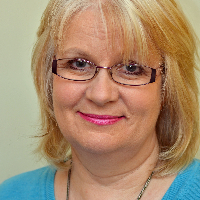
Samantha McEwan
BACP
4 years in practice BACP
Experienced BACP counsellor for stress and trauma
- Stress & Anxiety
- Relationship
- Trauma and Abuse
UK counsellors online
3,554 counsellors name guilt and shame among the things they work with. All offer sessions online across the United Kingdom; each profile shows their register, experience and languages.
Browse counsellors who list guilt and shame among their specialisms and see profiles that describe approaches, experience and professional registration. Use the listings below to compare therapeutic styles, languages spoken and credentials so you can choose someone who feels right for you.
BACP
4 years in practice BACP
Experienced BACP counsellor for stress and trauma
BACP
6 years in practice BACP
Practical, compassionate therapy focused on everyday change
BACP
18 years in practice BACP English, Greek
Insight-led psychodynamic counsellor
BACP
3 years in practice BACP
Helping people find practical steps forward
BACP
9 years in practice BACP
Compassionate client-centred counselling
BACP
23 years in practice BACP English, Portuguese
Experienced counsellor for stress and relationships
BACP
3 years in practice BACP
Compassionate, practical therapy for overwhelming feelings
BACP
3 years in practice BACP
Compassionate counsellor for anxiety and grief
NCPS
13 years in practice NCPS
Practical, person-focused counselling for life changes
BACP
3 years in practice BACP
Compassionate, practical support for stress and trauma
BACP, NCPS
10 years in practice BACP, NCPS
Calm, practical therapy for everyday challenges
BACP
23 years in practice BACP
Practical, person-centred support for life’s hard moments
BACP
18 years in practice BACP English, Yoruba
Practical support for stress, anxiety and life change
BACP
8 years in practice BACP
Compassionate, practical therapy for real life
BACP
5 years in practice BACP
Person-centred counsellor offering steady support
BACP
11 years in practice BACP
A steady, practical counsellor for life changes
BACP
7 years in practice BACP
Compassionate person-centred counsellor
BACP
5 years in practice BACP
Person-centred counselling with practical focus
BACP
11 years in practice BACP English, Portuguese
Deep reflective therapy for relationship and self issues
BACP
3 years in practice BACP
Calm, practical support for life’s hard moments
BACP
7 years in practice BACP English, Swedish
Practical relational therapy for everyday struggles
BACP
10 years in practice BACP
Compassionate, practical therapy for everyday struggles
BACP
3 years in practice BACP
Practical support for anxiety, grief and life changes
NCPS
3 years in practice NCPS
Warm, relational counselling for stress and relationships
4 years in practice NCPS English, Mandarin
Creative psychodrama counsellor for life changes
BACP
20 years in practice BACP
Person-centred support for lasting change
NCPS
5 years in practice NCPS
Person-centred counsellor focused on practical change
NCPS
15 years in practice NCPS
Practical, client-centred therapy for everyday challenges
NCPS
5 years in practice NCPS
Practical, person-centred support for everyday struggles
BACP
5 years in practice BACP
Person-centred counsellor focused on listening
BACP
3 years in practice BACP
Practical, compassionate therapy for everyday challenges
NCPS
13 years in practice NCPS
A steady, practical counsellor for life changes
BACP
8 years in practice BACP
Practical therapy for anxiety and life change
BACP
14 years in practice BACP
Supportive counsellor for stress and relationships
HCPC
14 years in practice HCPC English, Hindi
Supportive counsellor using practical therapy methods
BACP
3 years in practice BACP
Client-centred counsellor with psychodynamic and somatic focus
BACP
6 years in practice BACP
Practical, strengths-based counselling for life challenges
BACP
7 years in practice BACP
Client-centred counsellor for life changes
BACP
6 years in practice BACP
Practical, calm counselling for everyday challenges
BACP, NCPS
8 years in practice BACP, NCPS
Support for stress, anxiety and relationships
NCPS
9 years in practice NCPS English, Dutch
Practical, person-focused support for everyday struggles
BACP
8 years in practice BACP English, Romanian
Calm, practical therapy for everyday challenges
BACP
4 years in practice BACP
Compassionate counsellor helping people build resilience
We will earn a commission if you sign up through our link, at no cost to you.
Guilt and shame are powerful emotions that shape how you think about yourself and your actions. Guilt tends to relate to specific behaviours - it may feel like remorse about something you did or failed to do. Shame, by contrast, often involves a global sense that you are flawed or unworthy. While they overlap and can fuel one another, the lived experience of guilt and shame can be quite different: guilt may lead you to want to make amends, while shame can lead to withdrawal, hiding or harsh self-criticism.
These feelings can arise after relationship breakdowns, parenting dilemmas, accidents, moral conflicts, or as part of grief and loss. They also appear in the aftermath of trauma or abuse, where you may carry responsibility that does not belong to you. Over time, persistent guilt or shame can influence your behaviour, relationships and sense of self, making everyday decisions more difficult and increasing isolation. Recognising these patterns is the first step if you want to find a way of living with these emotions more peacefully.
You might start to consider counselling when guilt or shame begins to affect your mood, your relationships or your ability to function at work or home. You may notice repeated self-blame, intrusive memories of past events, avoidance of social situations or a reluctance to accept kindness from others. Some people find that they replay scenarios in their head, imagining alternative actions, while others experience persistent low self-esteem that colours every decision.
If you find yourself stuck in cycles of apology, overcompensation, people-pleasing or, conversely, withdrawal and secrecy, therapy can offer ways to examine those patterns. Counselling can be helpful if guilt and shame are linked to anxiety, low mood or difficulty asserting boundaries. You do not need to reach a crisis point to seek help - therapy can be a place to make sense of feelings early on and prevent them from becoming more entrenched.
When you begin counselling for guilt and shame, the first phase often involves building a trusting relationship with your counsellor and creating a gentle, non-judgemental space for you to tell your story. Early sessions typically focus on exploring what the feelings mean for you, where they began and how they affect your daily life. Your counsellor will likely help you identify patterns of thought and behaviour that maintain guilt and shame, while respecting your pace and readiness to disclose sensitive material.
As the work continues, you might practise noticing self-critical thoughts and learning ways to respond with greater self-compassion. Sessions can include reflection on relevant relationships, cultural influences and any moral or ethical conflicts that contribute to your distress. Some people use sessions to rehearse setting boundaries, saying difficult things or making amends where appropriate. Throughout the process, you and your counsellor decide together whether you want short-term focused work or a longer open-ended process.
Counsellors use a range of approaches when working with guilt and shame, and many professionals combine elements from different schools to tailor the work to you. Cognitive and behavioural approaches are often used to help you identify and reframe self-critical thoughts that drive shame and guilt. Therapists who list compassion-focused work among their approaches focus on developing kindness toward yourself and reducing shame-based fear and self-attack.
Psychodynamic ways of working explore how early relationships and internalised messages shape your sense of worth, helping you to understand unconscious patterns that might keep you locked in self-blame. Narrative approaches invite you to separate yourself from the problem by exploring the stories you tell about who you are. Acceptance-oriented approaches, including mindfulness-based methods, teach skills for sitting with difficult feelings without being overwhelmed by them. For shame or guilt linked to traumatic events, some counsellors list trauma-informed methods, and others list approaches such as EMDR among their approaches; mentioning an approach in a profile does not replace checking a counsellor's registration and experience.
Online counselling expands the ways you can access support for guilt and shame. Many counsellors provide sessions via video call, phone or text-based messaging, which can be preferable if travel, mobility or childcare are obstacles. Online work can reproduce the essential elements of face-to-face therapy - a conversational space, reflective prompts and therapeutic techniques - but it also brings practical differences. You will want to choose a quiet, comfortable environment where you can speak freely and feel able to be emotionally present.
When you use online counselling, consider factors such as session length, whether you prefer video or voice-only communication and how technical aspects like connection stability will be managed. Some people find it easier to disclose emotionally difficult material from their own home, while others prefer an in-person setting to feel more contained. You can review counsellor profiles to see who lists online work among their approaches and read about the ways they describe working remotely. Always check professional registration details such as BACP, HCPC or NCPS on a profile to confirm a counsellor's standing in the UK.
Choosing a counsellor is a personal decision and you are entitled to take your time. Start by looking at profiles that describe a focus on guilt, shame, trauma, grief or related themes that resonate with your experience. Pay attention to the therapeutic approaches a counsellor lists and think about whether you prefer structured short-term work or a reflective longer-term process. Consider professional registration and accreditation - many people look for counsellors who are registered with BACP, HCPC or NCPS because these registers indicate adherence to professional standards and ethical practice in the UK.
Language, cultural understanding and lived experience can also matter. If your feelings of guilt or shame are connected to cultural or religious norms, you might prefer a counsellor who mentions experience in those areas. Equally, if you want practical skills to manage intrusive thoughts or anxiety, someone who lists cognitive and mindfulness-based approaches may feel more suitable. Before you commit, use the information on the profile to form questions about approach, session structure and fees so you can make an informed choice. Many people find it helpful to think about how safe and understood they would feel with a counsellor rather than seeking any single label on a profile.
Guilt and shame are common human experiences but they need not define you. Counselling gives you a space to make sense of these emotions, learn new ways of relating to yourself and practise responses that feel more compassionate. Whether you choose online or face-to-face work, comparing counsellor profiles on this site can help you identify professionals who list relevant approaches and who hold appropriate UK registration. Taking the first step to explore profiles is an act of care - one that can open the way to feeling less burdened by guilt and shame and more able to live in accordance with your values.