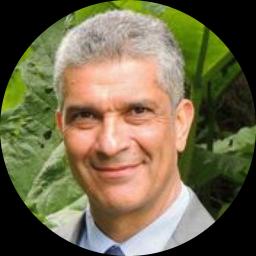
Elisa Dalla Vedova
BACP
3 years in practice BACP English, Spanish
Compassionate, practical support for life changes
- Stress & Anxiety
- Relationship
- Parenting
UK counsellors online
59 counsellors name Spanish among the languages they offer sessions in.
Accessing therapy in your first language can make a real difference to how you express feelings and make progress. Below you can browse Spanish-speaking therapists and counsellors across the UK.
Use the profiles to read about approaches, experience and languages so you can find someone who feels like the right fit for your needs.
BACP
3 years in practice BACP English, Spanish
Compassionate, practical support for life changes
BACP
20 years in practice BACP English, Spanish
Person-centred counsellor focusing on patterns and change
BACP
8 years in practice BACP English, Spanish
Supportive counsellor for emotional healing
BACP
4 years in practice BACP English, Spanish
Supportive person-centred counsellor
NCPS
9 years in practice NCPS English, Spanish
Experienced counsellor for emotional and life challenges
BACP
11 years in practice BACP English, Spanish
Transcultural person-centred counsellor
3 years in practice BACP English, Spanish
Warm, practical counselling for common life challenges
BACP
6 years in practice BACP English, Spanish
Support for anxiety, grief and relationships
BACP
9 years in practice BACP English, Spanish
Practical, warm support for adults
3 years in practice BACP English, Spanish
Calm, practical person-centred support
4 years in practice BACP English, Spanish
A calm, practical guide through hard feelings
BACP
3 years in practice BACP English, Spanish
Accessible, practical psychotherapy for daily challenges
HCPC
27 years in practice HCPC English, Spanish
Practical therapy for stress and trauma
7 years in practice NCPS English, Spanish
Person-centred counsellor for trauma and grief
BACP
3 years in practice BACP English, Spanish
Help to manage stress and life changes
BACP, NCPS
18 years in practice BACP, NCPS English, Spanish
Experienced counsellor for stress and relationships
NCPS
3 years in practice NCPS English, Spanish
Person-centred therapist focusing on practical support
BACP
10 years in practice BACP English, Spanish
Practical support for stress and trauma
BACP
5 years in practice BACP English, Spanish
Gentle, relational therapy for life’s hard moments
BACP
4 years in practice BACP English, Spanish
Client-centred counsellor for stress and relationships
BACP
3 years in practice BACP English, Spanish
Gentle, strengths-based support for life changes
BACP
9 years in practice BACP English, Spanish
Support for stress, trauma and grief
BACP
10 years in practice BACP English, Spanish
Practical, relational therapy for life challenges
BACP
19 years in practice BACP English, Spanish
Therapist focused on relationships and meaning
BACP
10 years in practice BACP English, Spanish
Relationship and trauma aware counsellor
BACP
3 years in practice BACP English, Spanish
Practical, trauma-aware support in English and Spanish
BACP
5 years in practice BACP English, Spanish
Calm, reflective support for life changes
BACP
20 years in practice BACP English, Spanish
Support for stress, relationships and trauma
BACP
8 years in practice BACP English, Spanish
Therapist focused on loss and life change
BACP
4 years in practice BACP English, Spanish
A practical, warm counsellor for life changes
BACP
13 years in practice BACP English, Spanish
Integrative counsellor offering collaborative support
HCPC
12 years in practice HCPC English, Spanish
Experienced psychologist using evidence-based techniques
BACP
22 years in practice BACP English, Spanish
Experienced addiction and mental health counsellor
BACP
6 years in practice BACP English, Spanish
Client-centred support for strong emotions and relationships
BACP
3 years in practice BACP English, Spanish
Compassionate practical support for stress and grief
BACP
4 years in practice BACP English, Spanish
Depth-oriented counsellor for life change
BACP
12 years in practice BACP English, Spanish
Practical, compassionate counselling for life changes
BACP
3 years in practice BACP English, Spanish
Calm, practical help for painful experiences
HCPC
15 years in practice HCPC English, Spanish
Experienced HCPC-registered therapist offering practical support
BACP
20 years in practice BACP English, Spanish
Experienced bilingual counsellor for practical support
BACP
5 years in practice BACP English, Spanish
Person-centred counsellor using practical therapies
We will earn a commission if you sign up through our link, at no cost to you.
When you speak in your first language you carry the weight of personal history, cultural nuance and emotional vocabulary that is hard to translate. Therapy is about exploring feelings, memories and patterns, and language shapes how you hold and describe those experiences. Speaking Spanish with a therapist can let you name subtle emotions, use idioms and metaphors that come naturally, and draw on cultural references that make your experience clearer. For many people the comfort of being understood in their own language reduces the effort of translating thoughts and lets the therapeutic work move deeper from the start.
Choosing a Spanish-speaking counsellor is not only about words. It is also about the relational texture of the conversation - gestures, humour and silence can carry different meanings across languages. A counsellor who speaks Spanish can more readily pick up on these nuances and respond in ways that feel culturally familiar. This can foster a stronger sense of rapport and help you engage openly, whether you are exploring stress, relationship issues, grief or identity questions.
If you are working through difficult emotions in a language that is not your mother tongue you may find yourself searching for words, simplifying complex feelings or avoiding topics that feel too charged to express accurately. These kinds of language friction can slow down progress and leave you feeling misunderstood. You might translate idioms literally or lose the rhythm and depth of stories that matter. That distance can make therapy feel less effective and more tiring than it should be.
Language barriers also influence the way a therapist listens and reflects. Misunderstandings may arise around emotional tone, humour or culturally specific behaviours. When a counsellor and client do not share a common cultural frame, well-meaning interventions can miss the mark. By working with someone who speaks Spanish you reduce the need to translate and increase the chance that your emotional subtleties are recognised. If you also identify with particular cultural backgrounds within the Spanish-speaking world, being matched with a counsellor who understands those contexts can make a practical difference to how you process and heal.
Online therapy with a Spanish-speaking counsellor offers many of the same therapeutic elements you would expect in person - a focus on listening, reflection and collaborative exploration - but delivered through video, phone or messaging. You can expect sessions to centre on your goals, whether that is learning coping strategies, exploring relationship dynamics or processing past experiences. Communication may feel more immediate when you are able to speak freely without translating thoughts into another language first.
Therapists who work online often describe practical adaptations to make sessions comfortable for clients who prefer Spanish. This can include using culturally resonant examples, checking in about the meaning of certain words and taking extra time to explore expressions that carry layered meanings. If you prefer written communication, some therapists offer follow-up summaries or worksheets in Spanish that help reinforce insights between sessions. Keep in mind that online therapy still follows professional standards in the UK, and many counsellors are registered with recognised professional bodies and work within ethical guidelines.
Many Spanish speakers worry about stigma, family perceptions and not being taken seriously when they seek help for mental health. In some communities talking about emotional struggles is seen as a weakness or something to be managed within the family. You may be concerned about language judgement, cultural misunderstandings or feeling that a therapist from a different background will not grasp your experience. These concerns are valid and commonly shared by people who start looking for support.
Finding a therapist who speaks Spanish can help address some of these concerns, but it is also useful to be aware of other practical barriers. There can be a limited number of counsellors who advertise services in Spanish in specific regions, which can make choices feel narrow. You might also want to consider whether a counsellor understands particular cultural or generational issues that affect your life, such as migration, bicultural identity, family expectations or religious beliefs. Bringing these topics into early conversations with a prospective counsellor can help you gauge whether their approach and perspective feel right for you.
Online therapy widens access because it removes geographical limits and makes it easier for you to see a counsellor who speaks Spanish even if they are not local. This can be particularly valuable if you live in an area with few Spanish-speaking practitioners or if you have mobility, caregiving or work constraints. Online sessions also offer more scheduling flexibility and the chance to meet from a familiar environment, which can help you feel calmer and more ready to engage. The digital format can support a range of communication styles - for some people speaking on video works best, while others prefer phone conversations or written messages in Spanish.
Because the pool of Spanish-speaking counsellors extends beyond local towns and cities, you may find practitioners who list specific therapeutic approaches or who work with particular populations that resonate with your needs. Some therapists list ways of working such as systemic approaches, psychodynamic perspectives or person-centred care. Remember that listing an approach is not proof of training, but it can signal the kinds of conversations you might expect in sessions.
Start by clarifying what you want from therapy. Are you seeking help with anxiety, relationship concerns, parenting, bereavement or life transitions? Knowing your priorities helps you read profiles with purpose. When you look at counsellor profiles notice whether they mention working with people from similar cultural backgrounds or life stages as you. Pay attention to the language used in profiles - does it feel respectful, clear and relevant to your experience?
Consider how you want to work - some people prefer a direct, problem-solving style, while others want a reflective space to explore meaning. Many counsellors list their approaches, which gives you a sense of their orientation, but you can also use an initial contact to ask about how they work in practice. It is reasonable to ask about their registration with professional bodies and their experience working with Spanish-speaking clients. Finally, trust your instincts - the relationship you form with your counsellor is central to progress. If a profile or an initial conversation does not feel right, it is okay to continue looking until you find someone who matches your needs.
Seeking therapy in Spanish is an important step that honours the way you think and feel naturally. Whether you choose online sessions or face-to-face meetings, communicating in your own language can help you connect more fully with the therapeutic process and the changes you want to make. Use the directory to explore profiles, read about approaches and find a counsellor whose style and background resonate with you as you begin this journey.