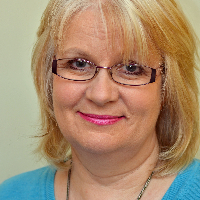
Samantha McEwan
BACP
4 years in practice BACP
Experienced BACP counsellor for stress and trauma
- Stress & Anxiety
- Relationship
- Trauma and Abuse
UK counsellors online
3,926 counsellors name self esteem among the things they work with. All offer sessions online across the United Kingdom; each profile shows their register, experience and languages.
Browse counsellors who specialise in self esteem and view profile details such as approaches, credentials and languages.
Use the listings below to compare different focuses and approaches to find a counsellor who feels like a good fit for you.
BACP
4 years in practice BACP
Experienced BACP counsellor for stress and trauma
BACP
3 years in practice BACP
Supportive integrative counsellor for everyday challenges
BACP
6 years in practice BACP
Practical, compassionate therapy focused on everyday change
BACP
18 years in practice BACP English, Greek
Insight-led psychodynamic counsellor
BACP
7 years in practice BACP
Warm, person-centred counsellor focused on wellbeing
BACP
3 years in practice BACP
Helping people find practical steps forward
BACP
9 years in practice BACP
Compassionate client-centred counselling
BACP
23 years in practice BACP English, Portuguese
Experienced counsellor for stress and relationships
BACP
3 years in practice BACP
Compassionate counsellor for anxiety and grief
BACP
3 years in practice BACP
Calm, practical support for stressful times
BACP
3 years in practice BACP
Experienced person-centred counsellor
NCPS
13 years in practice NCPS
Practical, person-focused counselling for life changes
BACP
3 years in practice BACP
Compassionate, practical support for stress and trauma
BACP
3 years in practice BACP
Calm practical support for anxiety and life changes
BACP, NCPS
10 years in practice BACP, NCPS
Calm, practical therapy for everyday challenges
BACP
23 years in practice BACP
Practical, person-centred support for life’s hard moments
BACP
8 years in practice BACP
Compassionate, practical therapy for real life
BACP
5 years in practice BACP
Person-centred counsellor offering steady support
BACP
11 years in practice BACP
A steady, practical counsellor for life changes
BACP
4 years in practice BACP
Person-centred counsellor for relationship and identity concerns
BACP
7 years in practice BACP
Compassionate person-centred counsellor
BACP
5 years in practice BACP
Person-centred counselling with practical focus
BACP
11 years in practice BACP English, Portuguese
Deep reflective therapy for relationship and self issues
NCPS
3 years in practice NCPS
Support for stress, anxiety and life changes
BACP
3 years in practice BACP
Calm, practical support for life’s hard moments
BACP
7 years in practice BACP English, Swedish
Practical relational therapy for everyday struggles
BACP
10 years in practice BACP
Compassionate, practical therapy for everyday struggles
BACP
3 years in practice BACP
Calm, practical support for stress and life change
BACP
3 years in practice BACP
Person-centred counselling focused on your needs
BACP
3 years in practice BACP
Practical support for anxiety, grief and life changes
4 years in practice NCPS English, Mandarin
Creative psychodrama counsellor for life changes
BACP
20 years in practice BACP
Person-centred support for lasting change
NCPS
5 years in practice NCPS
Person-centred counsellor focused on practical change
NCPS
15 years in practice NCPS
Practical, client-centred therapy for everyday challenges
BACP
3 years in practice BACP
Compassionate counsellor for stress and identity
NCPS
5 years in practice NCPS
Practical, person-centred support for everyday struggles
BACP
5 years in practice BACP
Person-centred counsellor focused on listening
BACP
3 years in practice BACP
Understanding, practical counselling for life changes
NCPS
4 years in practice NCPS
Practical, straight-talking counselling and coaching
NCPS
13 years in practice NCPS
A steady, practical counsellor for life changes
BACP
8 years in practice BACP
Practical therapy for anxiety and life change
BACP
14 years in practice BACP
Supportive counsellor for stress and relationships
BACP
6 years in practice BACP English, German
Experienced counsellor focusing on practical change
HCPC
14 years in practice HCPC English, Hindi
Supportive counsellor using practical therapy methods
BACP
3 years in practice BACP
Client-centred counsellor with psychodynamic and somatic focus
BACP
6 years in practice BACP
Practical, strengths-based counselling for life challenges
We will earn a commission if you sign up through our link, at no cost to you.
Self esteem refers to the way you evaluate and value yourself - the beliefs you hold about your abilities, worth and place in the world. It is not fixed; it develops across your life and is influenced by relationships, life events and the messages you internalise. For many people, self esteem affects everyday choices, how comfortable you feel expressing needs, and the risks you are willing to take. Low self esteem can leave you feeling hesitant to pursue opportunities, overly self-critical, or prone to seeking approval from others. High or stable self esteem does not mean you never have doubts, but it tends to support resilience, clearer boundaries and healthier relationships.
Because self esteem is woven into how you relate to yourself and to others, small shifts can have broad effects. You may notice patterns in the way you speak to yourself, the people you choose to spend time with, or the ways you respond to setbacks. Therapy that focuses on self esteem aims to help you understand these patterns and build a more balanced, compassionate view of yourself. The work is often practical and reflective, addressing thoughts, feelings and behaviours that maintain a harsh or undermining self-view.
You might consider specialised counselling if you frequently feel inadequate, struggle with persistent self-criticism, or allow fear of judgement to limit your choices. You may find it hard to accept compliments, to celebrate achievements, or to set boundaries in personal and professional relationships. Perfectionism and people-pleasing are common companions of low self esteem and can be exhausting to sustain. Alternatively, sudden changes in confidence after life events - such as ending a relationship, losing a job or becoming a parent - can leave you questioning your sense of self and how you cope.
Therapy can also be helpful when your self esteem is connected to anxiety, mood difficulties or identity concerns. If you notice that self-doubt drives avoidance, that you compare yourself unfavourably to others online or offline, or that long-standing beliefs about your worth limit your goals, these are valid reasons to seek focused support. Counselling provides a space to explore these experiences, examine their origins and rehearse new ways of relating to yourself that feel more balanced and sustainable.
When you begin counselling for self esteem, the first sessions usually focus on building a working relationship and understanding what matters to you. You will have an opportunity to describe the beliefs, memories and patterns that influence how you feel about yourself. A counsellor will listen for themes and help you set goals that are meaningful - these might include reducing self-criticism, improving assertiveness, or learning to accept successes.
The pace of therapy varies according to your needs and the approach of the counsellor. Some people prefer short-term work with clear, practical strategies to shift unhelpful thought patterns and behaviours. Others choose longer-term therapy to explore deeper emotional roots of low self esteem and longstanding relationship dynamics. Throughout, you and your counsellor will review progress and adapt the focus as you learn more about what helps.
Sessions often combine reflection with practical exercises. You might explore specific situations where self-doubt arises, practise alternative ways of thinking about yourself, or rehearse conversations to build confidence. Homework between sessions can help you apply new skills in day-to-day life, whether that means experimenting with boundary-setting or tracking moments when you experience self-compassion. The goal is to translate insights into changes you can sustain outside the counselling room.
Many counsellors integrate different approaches when working on self esteem. You will find counsellors who list cognitive behavioural therapy - often shortened to CBT - among their approaches; this method tends to focus on identifying and challenging unhelpful thoughts and building practical skills to change behaviour. Other counsellors list psychodynamic approaches, which explore how past relationships and early experiences shape current self-beliefs. Humanistic and person-centred counsellors emphasise empathy and the therapeutic relationship as a way to experience a more accepting view of yourself.
There are also approaches that centre on building self-compassion, addressing shame, or working with emotion-focused techniques to help you process painful feelings in a contained way. Some counsellors list narrative approaches that examine the stories you tell about yourself and how those narratives might be rewritten to reflect strengths and resilience. When reviewing profiles, note which approaches appeal to you and consider how they align with the sort of change you want to make. Remember that listing an approach does not guarantee a particular outcome, but it can indicate how a counsellor tends to work.
Online counselling has become a common way to access support for self esteem. You can choose to work by video call, telephone or written messaging depending on what feels most comfortable. Many people find online sessions more convenient, as they remove travel time and make it easier to fit therapy around work, study or family commitments. Online work can be just as focused and reflective as face-to-face counselling, with similar techniques adapted for the digital setting.
To get the most from online sessions, create a calm and undisturbed environment where you can speak freely. Use headphones if that helps you feel less exposed, and consider a consistent time and setting to help make the work feel contained. Therapy that targets self esteem often involves exploring sensitive material, so a counsellor will collaborate with you to agree boundaries, session structure and goals. If you prefer a combination of face-to-face and online work, many counsellors offer both formats; check profiles for languages and modalities to find what suits you.
When you look through profiles, consider a few key aspects to help you decide who might be a good fit. Think about the counsellor's stated focus and whether they mention working with issues like self-criticism, shame or confidence. Look at the approaches they list to see if these resonate with how you prefer to learn and change. Pay attention to registration - counsellors registered with recognised bodies such as the BACP, the HCPC or NCPS will usually note that registration on their profile. Registration indicates adherence to a professional code and ongoing professional development, which many people find reassuring.
Your personal comfort with a counsellor matters. You might prefer someone who shares a cultural or linguistic background with you, or who has experience working with particular life stages or relationships. Consider practical factors such as session length, fees and whether they offer in-person or online sessions in your area. It can help to read profile summaries and client testimonials where available, and to reach out with a brief message to ask about their approach to self esteem. The early sessions are a chance to see whether you feel heard and understood, and to clarify the goals you wish to work towards.
Therapy for self esteem is a collaborative process. Choosing a counsellor is not about finding someone who will fix you, but about finding a professional who will work with you to recognise unhelpful patterns, build new skills and support a kinder, more realistic view of yourself. Taking the first step to explore profiles and make contact is itself a meaningful move towards change.