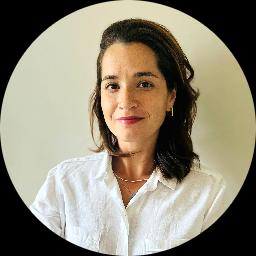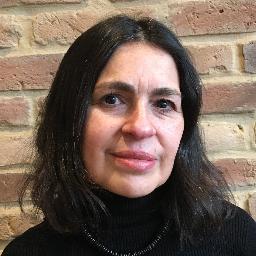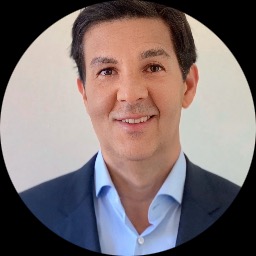
Marcos Alves Ribeiro
BACP
23 years in practice BACP English, Portuguese
Experienced counsellor for stress and relationships
- Stress & Anxiety
- Relationship
- Trauma and Abuse
UK counsellors online
46 counsellors name Portuguese among the languages they offer sessions in.
Working with a therapist who speaks your native language can help you express emotions and cultural nuances with greater clarity. Browse Portuguese-speaking therapists below to find counsellors who offer support in Portuguese across the UK and online.
BACP
23 years in practice BACP English, Portuguese
Experienced counsellor for stress and relationships
BACP
11 years in practice BACP English, Portuguese
Deep reflective therapy for relationship and self issues
BACP
8 years in practice BACP English, Spanish
Supportive counsellor for emotional healing
10 years in practice BACP English, Portuguese
Calm, values-focused therapy with practical tools
BACP
3 years in practice BACP English, Spanish
Accessible, practical psychotherapy for daily challenges
40 years in practice BACP English, Italian
Experienced counsellor blending insight and practical steps
BACP
10 years in practice BACP English, Portuguese
Compassionate Jungian psychodynamic counsellor
BACP
10 years in practice BACP English, Portuguese
Practical counselling for stress and life changes
NCPS
10 years in practice NCPS English, Afrikaans
Short, practical therapy with clear tools
BACP
5 years in practice BACP English, Spanish
Gentle, relational therapy for life’s hard moments
BACP
7 years in practice BACP English, Portuguese
Body-aware therapy for anxiety and stress
9 years in practice BACP English, Portuguese
Supportive therapist focused on emotion and connection
10 years in practice BACP English, Portuguese
Practical, compassionate support for life change
BACP
3 years in practice BACP English, Portuguese
Practical, compassionate counselling for stress and change
BACP
8 years in practice BACP English, Portuguese
Empathic counsellor for life transitions
HCPC, BACP
16 years in practice HCPC, BACP English, Portuguese
Psychodynamic counsellor focusing on relationships and trauma
NCPS
7 years in practice NCPS English, Portuguese
Compassionate counsellor for life and relationship stress
HCPC
16 years in practice HCPC English, Portuguese
Experienced psychologist offering remote therapy
BACP
10 years in practice BACP English, Portuguese
Compassionate therapy with creative approaches
6 years in practice BACP English, Portuguese
Compassionate counsellor using evidence-based methods
BACP, NCPS
3 years in practice BACP, NCPS English, Portuguese
Compassionate integrative counselling for life changes
BACP
10 years in practice BACP English, Portuguese
Practical counselling for stress and life changes
BACP
6 years in practice BACP English, Portuguese
Relational integrative psychotherapist focused on choice and healing
15 years in practice BACP English, Portuguese
Compassionate psychotherapy with practical tools
BACP
22 years in practice BACP English, Spanish
Experienced addiction and mental health counsellor
NCPS
9 years in practice NCPS English, Portuguese
Compassionate counsellor for trauma and change
NCPS
9 years in practice NCPS English, Portuguese
Compassionate, practical support for life’s hard moments
BACP
5 years in practice BACP English, Portuguese
Compassionate counsellor for anxiety and trauma
5 years in practice BACP English, Portuguese
Practical therapy for stress and burnout
15 years in practice BACP English, Portuguese
Practical support for stress and trauma recovery
HCPC
17 years in practice HCPC English, Portuguese
Practical, calm therapy for stress and mood issues
BACP
8 years in practice BACP English, Portuguese
Calm, practical support for emotional recovery
NCPS
6 years in practice NCPS English, Portuguese
Supportive counsellor focusing on practical coping skills
NCPS
14 years in practice NCPS English, Portuguese
Person-centred support with practical focus
BACP
3 years in practice BACP English, Portuguese
Compassionate integrative counselling for life challenges
8 years in practice BACP English, Portuguese
A practical, values-focused counsellor for everyday struggles
BACP
17 years in practice BACP English, Portuguese
Compassionate, practical support for life challenges
BACP
9 years in practice BACP English, Portuguese
Gentle person-centred counselling for life changes
BACP
12 years in practice BACP English, Portuguese
Practical therapy with an emphasis on meaning
BACP
6 years in practice BACP English, Portuguese
Warm relational counselling for practical change
BACP
6 years in practice BACP English, Portuguese
Straightforward support for stress and trauma
BACP
6 years in practice BACP English, Portuguese
Practical, collaborative therapy for everyday struggles
We will earn a commission if you sign up through our link, at no cost to you.
When you talk about difficult feelings, the words you choose carry tone, history and subtle meaning. Using Portuguese in therapy can make it easier to name complex emotions, recall childhood memories and describe culturally specific experiences that might be awkward to translate. You may find that metaphors, humour and expressions that feel natural in Portuguese do not have direct equivalents in English, and that these differences influence how you connect with a therapist and how comfortable you feel exploring delicate topics.
For many people, being understood in their mother tongue reduces the cognitive load of conversations. You may be less likely to search for the right English term or to simplify your thoughts to fit another language. That can open space for deeper reflection and more authentic self-expression. Choosing a counsellor who speaks Portuguese is not just about vocabulary - it is about being heard in a cultural register that resonates with your life story.
Language barriers can change the shape of therapy in subtle ways. When you are thinking in one language but speaking in another, you may find yourself holding back, using more general terms, or avoiding subjects that feel risky to explain. This can slow progress and leave important feelings unexamined. Misunderstandings may arise about the intensity of an experience or about culturally rooted reactions, and these can affect the therapeutic relationship unless they are noticed and addressed.
Using Portuguese helps you preserve idioms, humour and family dynamics that are rooted in culture. It also makes it easier to discuss topics like migration, bilingual upbringing, religious customs or intergenerational expectations without having to translate context. In therapeutic work, accurate emotional labelling matters because it guides intervention choices and the development of coping strategies. If you worry that something important will get lost in translation, seeking a Portuguese-speaking counsellor can reduce that risk and allow you to explore material more fully.
Online therapy can feel familiar and accessible while still offering thoughtful, structured support. When you choose online sessions with a Portuguese-speaking counsellor, sessions typically begin with an introductory conversation about what brings you to therapy and your goals. You can expect the therapist to ask about your background, family, language use and cultural influences, so they can adapt their approach to your needs. Communication will often mix direct questions with reflective listening to help you explore patterns and develop new perspectives.
Online work in Portuguese allows you to connect with therapists across the UK, so you may find practitioners who share regional dialects, cultural backgrounds or migration histories that mirror your own. Sessions generally focus on building rapport and establishing a pace that suits you. You should expect to discuss information-sharing boundaries practices, boundaries and how sessions will be structured, as well as practical matters like session length and fees. Therapists on this site may list approaches such as cognitive-behavioural, psychodynamic, person-centred or other methods among their approaches - these listings are descriptions of how they work rather than claims about specific certifications.
Many Portuguese-speaking people in the UK face similar barriers when looking for mental health support. Cultural stigma around seeking help can make it harder to take the first step, and worries about being judged or misunderstood may lead you to postpone reaching out. You might also be concerned about the way mental health is understood by family members, or about practical matters such as cost and time. These are valid concerns, and talking them through in Portuguese can itself be an important part of the therapeutic process.
Another common issue is finding practitioners who understand culturally specific pressures - for example attitudes to mental health from Portuguese or Brazilian communities, or the complexities of living between languages. You may want a counsellor who can recognise and reflect on migration experiences, language loss or the stress of adjusting to a new culture. As you explore options, pay attention to how therapists describe their cultural awareness and lived experience, and how comfortable you feel discussing delicate topics in Portuguese.
Online therapy widens the pool of Portuguese-speaking therapists you can access, especially if you live outside major cities. You can meet someone whose cultural background or dialect matches yours without needing to travel long distances. This increased access can be particularly helpful if you are looking for a counsellor who has experience with bilingual families, migration, or specific community dynamics common among Portuguese speakers.
Flexibility is another advantage. Online sessions can fit around work, childcare and study commitments, and they make it possible to continue therapeutic work if you move within the UK. The digital format also allows you to choose the type of session that works for you - face-to-face video calls, telephone conversations or a mixture - depending on what feels most comfortable. Since emotional comfort plays a central role in therapy, having more options increases the likelihood that you will find a rhythm that supports consistent, meaningful work.
When you are assessing potential therapists, think about cultural fit as well as language fluency. You may prefer someone who shares a regional background or who has experience working with people from your community. Notice whether the therapist’s profile mentions work with bilingual clients or highlights particular cultural themes you want to explore. It is reasonable to prioritise a practitioner who seems able to hold the cultural context of your experiences in mind.
Different therapists describe their ways of working in different terms. Many list approaches such as cognitive-behavioural, systemic, psychodynamic or person-centred among their approaches. These descriptors can give you a sense of whether the therapist’s style will be more action-focused or reflective. Consider whether you prefer structured techniques to address specific problems or open-ended talking therapy to explore patterns. Practical matters like session length, fees and whether the therapist is registered with a recognised UK professional body are also important elements to weigh up.
Your comfort in an initial conversation is a key indicator of fit. When you first make contact, notice whether you feel heard and whether the therapist responds with clarity about how they work. It is normal to try a few conversations before deciding who to work with. Give yourself permission to change direction if a counsellor’s style does not feel right. Therapy is a personal process and finding a Portuguese-speaking therapist who aligns with your needs can make it easier to begin meaningful work.
In summary, seeking therapy in Portuguese can deepen emotional expression, make cultural context clearer and expand your options through online connections. By paying attention to language, cultural fit and the way therapists describe their approaches, you can find a counsellor who helps you explore what matters in a way that feels natural and respectful to your background.