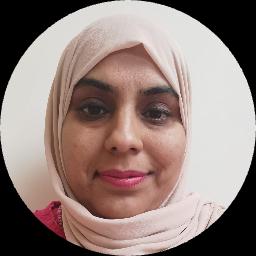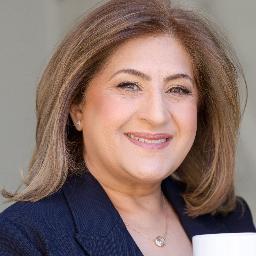
Neha Chahal
HCPC
14 years in practice HCPC English, Hindi
Supportive counsellor using practical therapy methods
- Stress & Anxiety
- Family
- Grief
UK counsellors online
44 counsellors name Urdu among the languages they offer sessions in.
Accessing therapy in your native language can make it easier to express feelings and cultural experiences. Browse Urdu-speaking therapists below to view profiles, approaches and areas of focus that may suit your needs.
HCPC
14 years in practice HCPC English, Hindi
Supportive counsellor using practical therapy methods
BACP
6 years in practice BACP English, Punjabi
Practical, warm counselling for everyday struggles
16 years in practice NCPS English, Hindi
Experienced integrative psychotherapist focused on practical support
BACP
6 years in practice BACP English, Punjabi
Calm, culturally aware counselling for everyday challenges
BACP
9 years in practice BACP English, Hindi
Supportive therapist for anxiety and life change
37 years in practice NCPS English, Hindi
Compassionate, practical counselling across life challenges
BACP
12 years in practice BACP English, Punjabi
Calm practical support for life’s pressures
BACP
9 years in practice BACP English, Urdu
Compassionate practical support for everyday struggles
BACP
5 years in practice BACP English, Hindi
Person-centred counsellor using practical approaches
BACP
4 years in practice BACP English, Bengali
Compassionate, practical counselling for life changes
NCPS
4 years in practice NCPS English, Punjabi
Calm client-centred support for real-life problems
BACP
19 years in practice BACP English, Hindi
Person-focused counselling with practical support
BACP
5 years in practice BACP English, Bengali
Compassionate, practical therapy for relationship and trauma issues
BACP
4 years in practice BACP English, Hindi
Practical, respectful support for life and relationship issues
BACP
4 years in practice BACP English, Punjabi
Practical, warm support for everyday challenges
BACP
10 years in practice BACP English, Urdu
Compassionate, practical counselling support
BACP
12 years in practice BACP English, Hindi
Calm, practical therapy with cultural sensitivity
BACP
4 years in practice BACP English, Hindi
Person-centred counsellor for anxiety and family issues
BACP
15 years in practice BACP English, Punjabi
Experienced BACP counsellor focusing on trauma and anxiety
BACP
5 years in practice BACP English, Hindi
Calm, practical counselling for life's challenges
BACP
27 years in practice BACP English, Punjabi
Calm, practical therapy for relationships and life challenges
BACP
4 years in practice BACP English, Urdu
Practical, person-centred counselling for life’s pressures
BACP
8 years in practice BACP English, Hindi
Supportive counsellor for practical change
NCPS
3 years in practice NCPS English, Punjabi
Culturally aware, client-centred counselling
BACP
3 years in practice BACP English, Punjabi
Compassionate person-centred therapist
NCPS
15 years in practice NCPS English, Urdu
Flexible practical counselling for everyday challenges
HCPC
15 years in practice HCPC English, Hindi
Practical, collaborative support for stress and trauma
BACP
3 years in practice BACP English, Urdu
Calm, practical support for everyday emotional struggles
BACP
12 years in practice BACP English, Urdu
Practical therapy for stress and relationships
BACP
7 years in practice BACP English, Urdu
Compassionate, culturally aware counsellor
BACP
5 years in practice BACP English, Hindi
Compassionate, practical counselling for anxiety and loss
BACP
22 years in practice BACP English, Punjabi
Calm, practical counselling for real-life problems
BACP
4 years in practice BACP English, Hindi
Calm, practical counselling for everyday struggles
BACP
9 years in practice BACP English, Hindi
Compassionate counselling tailored to your needs
BACP
3 years in practice BACP English, Hindi
Understanding and practical help for emotional challenges
BACP, NCPS
4 years in practice BACP, NCPS English, Hindi
Person-centred emotional therapy for real-life issues
BACP
21 years in practice BACP English, Gujarati
Experienced counsellor for life transitions
We will earn a commission if you sign up through our link, at no cost to you.
When you talk about painful or complex experiences, the words you choose matter. Using Urdu allows many people to name emotions, memories and cultural meanings with greater precision and ease. Idioms, humour and culturally specific references often carry layers of meaning that can be hard to translate. Speaking in your first language can reduce the effort you spend translating your thoughts and help you reach the heart of an issue more quickly. For some people this creates a stronger sense of being understood, which can be an important part of feeling comfortable in a therapeutic relationship.
Language is more than vocabulary. It shapes how you understand relationships, family roles and community expectations. A therapist who speaks Urdu can mirror those ways of understanding, which may make it simpler to explore sensitive topics such as family expectations, migration experiences or faith-related distress. This does not replace careful, professional attention to your needs, but it can make the therapeutic conversation feel more familiar and approachable.
When therapy happens in a language that is not your strongest, subtle meaning can be lost. Describing sensations, metaphors or cultural references through a second language can lead to misunderstandings about what you are trying to communicate. This may make sessions feel less useful, or cause you to withhold details that feel important. Over time these small gaps can affect the direction of therapy and how comfortable you are in exploring difficult emotions.
Language difficulties can also influence how a therapist understands your history and needs. Assessment depends on accurate description of symptoms, relationship patterns and life events. If you are translating or simplifying your experience, important context may be missed. Rapport - the sense of trust and connection with a therapist - is also built through tone, humour and cultural cues. Working in Urdu can reduce the distance created by language differences and support a more natural therapeutic rhythm.
Online therapy often takes place through video calls, telephone or messaging. When you choose an Urdu-speaking therapist you can expect to use Urdu for the session content while practical details - such as appointment reminders or written resources - may be shared in English or Urdu depending on the therapist. Many practitioners will describe on their profile which formats they use and whether they write notes or provide summaries in Urdu or English. If seeing people across different time zones is relevant, many therapists list the hours they work on their profiles.
Therapists who speak Urdu may draw on a range of approaches. Profiles often mention modalities such as cognitive behavioural ideas, psychodynamic perspectives, humanistic work or trauma-informed care. Keep in mind that a profile will say which approaches are listed by a therapist rather than verifying specific qualifications in a method. In online sessions you can expect an initial conversation about what you want from therapy, how sessions will be structured and how the therapist works. You will also be able to discuss language preferences - for example whether Urdu, English or a mix is most helpful for different parts of the session.
For many Urdu speakers, cultural attitudes towards mental health can create hesitation about seeking help. Stigma or worry about family reactions are common barriers. You may fear being judged or worry that seeking therapy contradicts community values. These concerns are understandable and often become topics you can explore with a therapist. A practitioner who understands cultural norms and family dynamics relevant to Urdu-speaking communities can help you navigate these tensions while respecting your priorities.
Another concern is finding a therapist who both speaks Urdu and understands the cultural context you come from. Language alone does not guarantee cultural insight, and cultural awareness varies between individuals. When you review profiles, look for descriptions that mention experience with topics that matter to you - such as migration, intergenerational issues, faith, or community expectations. You may also find it helpful to learn whether a therapist is registered with a recognised UK professional body, which indicates adherence to recognised standards of practice and professional conduct.
Online therapy removes geographic limits, which can be especially valuable if there are few local Urdu-speaking professionals in your area. You can connect with a therapist across the UK without the need to travel. This expands the pool of practitioners who might match your language and cultural needs, and can be especially helpful if you live in a smaller town or a region where Urdu-speaking services are limited.
Online therapy tends to offer more scheduling flexibility, which can help you fit sessions around work, family and other commitments. It also supports continuity if you move or travel, as you can continue working with the same person if both of you agree. For many people these practical benefits make it easier to remain engaged in therapy over time. Online work can also be adapted to your preferences - some clients prefer video for visual connection while others find telephone or messaging more manageable for certain issues.
Start by reading profiles to learn how therapists describe their approach, the issues they work with and whether they note Urdu as a working language. Look for information about whether they are registered with recognised professional bodies in the UK, such as BACP or UKCP, as this indicates adherence to common standards. Pay attention to whether they mention experience with areas important to you - for example migration-related stress, family dynamics, or support around identity. Remember that profiles will indicate what a therapist lists rather than independently verifying every claim.
Before you begin substantive work it is common to have an initial conversation to see whether the fit feels right. You might use this time to ask about the therapist's approach, how they work online, and how they handle session structure or follow-up. Think about what matters most to you - language use, cultural understanding, therapeutic style - and bring those priorities into the conversation. Trust your sense of whether you can speak openly and whether the therapist listens in a way that feels respectful and attuned to your experience.
Consider practical elements such as the session format, whether written notes or summaries will be in Urdu or English, and how long sessions typically run. If accessibility matters - for example ease of use of online platforms or specific timing needs - these are reasonable topics to raise. It can also help to ask about the therapist's approach to working with cultural or faith-related concerns if these are relevant for you. Clear, upfront discussion about these details can reduce uncertainty and help you choose someone who meets your needs.
Searching for therapy in Urdu is a personal process. Taking time to read profiles, reflect on what you need from a therapist and have an initial conversation can help you make an informed choice. Whether you are exploring support for anxiety, relationship difficulties, bereavement or other challenges, finding a practitioner who speaks your language and respects your cultural context can make the therapeutic journey feel more accessible and meaningful.