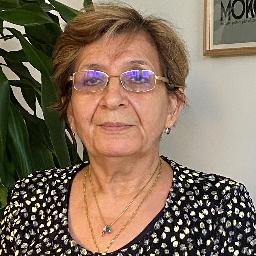
David Wilson
NCPS
9 years in practice NCPS English, Dutch
Practical, person-focused support for everyday struggles
- Stress & Anxiety
- Self Esteem
- Depression
UK counsellors online
48 counsellors name Italian among the languages they offer sessions in.
Speaking with a therapist in Italian can help you express emotions and cultural meaning more clearly. Below you can browse Italian-speaking therapists to review profiles, approaches and backgrounds.
NCPS
9 years in practice NCPS English, Dutch
Practical, person-focused support for everyday struggles
BACP
3 years in practice BACP English, Spanish
Compassionate, practical support for life changes
BACP
17 years in practice BACP English, Italian
Warm person-centred counsellor with practical focus
BACP
6 years in practice BACP English, Italian
A clear, practical counsellor for confusing moments
BACP
3 years in practice BACP English, Albanian
Therapist offering practical, compassionate support
BACP
7 years in practice BACP English, Italian
Calm, practical support for stress and relationships
BACP
6 years in practice BACP English, Italian
Person-focused counselling with practical tools
40 years in practice BACP English, Italian
Experienced counsellor blending insight and practical steps
BACP
8 years in practice BACP English, Italian
A client-centred counsellor who listens closely
BACP
4 years in practice BACP English, Italian
Calm, practical support for anxiety and relationships
BACP
12 years in practice BACP English, French
Compassionate, practical therapy for everyday challenges
BACP
8 years in practice BACP English, Italian
Experienced psychodynamic psychotherapist
BACP
3 years in practice BACP English, Italian
Practical, person-centred therapy for everyday struggles
BACP
27 years in practice BACP English, Italian
Relationship and family systems counsellor
NCPS
14 years in practice NCPS English, Italian
Mindfulness-based counsellor focused on emotional balance
BACP
16 years in practice BACP English, Italian
Practical support for stress and relationships
BACP, NCPS
17 years in practice BACP, NCPS English, Italian
Client-led therapy for life changes and recovery
BACP
14 years in practice BACP English, Italian
Experienced counsellor helping people through life changes
HCPC
14 years in practice HCPC English, Italian
Experienced UK and Italy-trained counsellor
BACP
6 years in practice BACP English, Italian
Experienced relational counsellor for adult concerns
BACP, NCPS
8 years in practice BACP, NCPS English, Italian
Supportive counsellor for life changes and stress
BACP
10 years in practice BACP English, Italian
Practical, person-led counselling for everyday struggles
10 years in practice BACP English, Italian
Experienced BACP counsellor helping with life, meaning and relationships
BACP
11 years in practice BACP English, French
Compassionate relational therapy with practical tools
BACP
5 years in practice BACP English, Italian
Client-centred counsellor for everyday challenges
BACP
4 years in practice BACP English, Italian
Calm, practical counselling for everyday struggles
BACP
5 years in practice BACP English, Italian
Compassionate counsellor blending practical therapy and self-exploration
BACP
6 years in practice BACP English, Italian
A compassionate counsellor blending insight and practical tools
BACP
3 years in practice BACP English, Italian
Compassionate therapy for stress and relationships
BACP
5 years in practice BACP English, Italian
A practical counsellor for anxiety and life change
HCPC
21 years in practice HCPC English, Italian
Compassionate, practical psychotherapy for complex issues
BACP
8 years in practice BACP English, Italian
Compassionate, practical therapy that focuses on change
BACP
4 years in practice BACP English, Italian
Compassionate person-centred counselling
14 years in practice BACP English, Italian
Calm, practical support for life changes
BACP
5 years in practice BACP English, Spanish
Person-centred counsellor using practical therapies
BACP
3 years in practice BACP English, Spanish
A collaborative, person-focused counsellor
BACP
4 years in practice BACP English, Italian
Compassionate, practical therapy for stuck moments
BACP
5 years in practice BACP English, Spanish
Compassionate counsellor focused on practical change
BACP
8 years in practice BACP English, Italian
Compassionate therapist for trauma and relationships
BACP
7 years in practice BACP English, French
Talk therapy with an attachment focus
We will earn a commission if you sign up through our link, at no cost to you.
When you choose to work with a therapist who speaks Italian, you are choosing a channel of communication that may feel more immediate and natural. Language is more than vocabulary - it is a carrier of cultural references, idioms, family narratives and emotional nuance. You might find that certain feelings or experiences are easier to name in Italian, or that family stories, childhood memories and cultural expectations come with subtleties that are lost in translation. For many people, being able to use their first language reduces the effort of explaining and lets sessions focus more quickly on the issues you care about. This can be especially relevant if you grew up in an Italian-speaking household, if your support network shares that language, or if cultural concepts shape how you understand wellbeing.
Working in Italian can also change the rhythm of sessions. Pauses, metaphors and humour may land differently and allow a smoother exploration of complex topics. If cultural background is important to the difficulties you are bringing to therapy - for example, questions of family roles, migration, grief tied to homeland or intergenerational expectations - using Italian can help ensure those cultural layers are fully explored. While language alone is not a guarantee of therapeutic fit, it often creates a clearer foundation for trust and understanding.
Language barriers can shape the way you experience therapy in practical and emotional ways. When you are not using your native language, it can take extra cognitive effort to find words, describe sensations and follow subtle shifts in tone. That extra effort can leave less energy for reflecting on difficult feelings or for making connections between past and present. You may notice that some memories feel flattened, or that humour and sarcasm do not translate easily. These differences do not mean therapy cannot help - they simply influence the pace and depth of what is covered.
Misunderstandings can arise when idiomatic language, cultural references or emotional terms do not carry the same meaning across languages. A phrase that has a particular connotation in Italian may be interpreted differently in English, and vice versa. This can affect how you feel understood and how therapeutic suggestions are perceived. Choosing a therapist who speaks Italian reduces the need for constant translation and helps you articulate the specific shades of experience that matter to you. If clinical terms or approaches are discussed, you may find it easier to explore how these apply to your life when they are explained in the language you think in most naturally.
Online therapy with an Italian-speaking therapist usually involves video or telephone sessions, supported by messaging or email for booking and practical questions. You can expect conversations that mirror the flow of in-person therapy - there will be time to talk, to reflect and to set goals together. Sessions are often structured around a regular appointment time, the length of which is usually agreed at the start. You should expect to discuss practicalities such as session length, frequency and fee during an initial conversation. As you move to online work, consider where you will sit to take part in a session - choosing a quiet, comfortable environment can help you focus and feel at ease.
Therapists who speak Italian may list a range of approaches among their methods. Some might list psychodynamic, person-centred, cognitive-behavioural or systemic work, while others may note modalities such as EMDR among their approaches. Listing an approach does not confirm a particular qualification, but it does indicate the ways a therapist typically frames their work. You can expect therapists to explain how their approach might fit your concerns and to adapt their style to your needs. If cultural or family context is central to your reason for seeking help, you can ask how the therapist integrates cultural awareness into their practice during an initial conversation.
Many Italian speakers in the UK encounter similar barriers when looking for help. Cultural stigma about mental health remains a frequent concern in some communities, and you may worry about what family or friends will think if you access therapy. Concerns about being judged, appearing weak or betraying family privacy can make the first steps harder. Some people also find it difficult to locate therapists who communicate well in Italian or who understand specific cultural references, regional dialects or migration histories.
Practical challenges also arise. You might be balancing work, family commitments and travel, making it harder to attend in-person sessions. For those who recently moved to the UK, navigating the healthcare or counselling system can feel unfamiliar. In addition, you might seek a therapist who understands particular life experiences - for example, coping with separation from your country of origin, managing bilingual family dynamics, or dealing with complex bereavement that is tied to cultural mourning practices. Recognising these concerns is the first step. Many people find that talking about them with a therapist who shares their language helps relieve isolation and opens up practical ways to cope.
Online therapy can widen the range of therapists you can access. If there are few Italian-speaking practitioners near you, remote sessions let you connect with professionals across the UK. This increases the chance of finding a therapist whose cultural experience, approach and personality fit your needs. Online work also offers flexibility in scheduling and location - you can attend from home, a workplace room or another convenient place where you feel comfortable. For those with childcare responsibilities or long commutes, remote sessions often make it easier to maintain regular contact with a therapist.
Another advantage is consistency. If you move within the UK or travel between regions, maintaining the same therapist online can provide continuity that supports longer-term work. Online therapy can also allow family members in different places to join sessions when relevant, for example in family counselling or mediation that spans distances. While online work has its own considerations - such as ensuring a personal spot to talk and a reliable internet connection - for many Italian speakers it removes location barriers and creates more opportunities to find a culturally attuned therapist.
Start by identifying what matters most to you in therapy. Are you looking for someone who shares the same regional background, understands specific cultural practices, or speaks Italian fluently as a first language? Consider whether particular approaches appeal to you. Some therapists will list approaches such as person-centred, cognitive-behavioural or psychodynamic work, while others may list EMDR among their approaches. Remember that listings describe the ways therapists work rather than guaranteeing particular qualifications. It can help to read profile descriptions for how therapists describe their experience with cultural issues like migration, family relations and bereavement.
Look at practical factors too. Check whether a therapist is registered or accredited with a recognised UK professional body, and whether they indicate experience working with bilingual clients or the Italian community. During an initial contact you might ask about session length, fees and how they approach cultural topics. Think about language nuance - if a regional dialect or specific cultural vocabulary matters to you, mention that so you can assess fit. Finally, allow yourself time to find the right match. It is normal to try a few conversations before you feel comfortable, and many people discover that a good fit is as much about how you feel with a therapist as it is about listed credentials or approaches.
Finding a therapist who speaks Italian can be an important step toward clearer expression and culturally informed understanding. By focusing on language, cultural fit and practical considerations, you can identify a counsellor who helps you explore the issues that matter most in a way that feels accessible and meaningful to you.