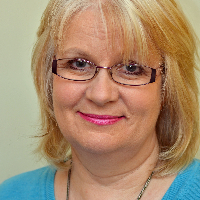
Samantha McEwan
BACP
4 years in practice BACP
Experienced BACP counsellor for stress and trauma
- Stress & Anxiety
- Relationship
- Trauma and Abuse
UK counsellors online
1,839 counsellors name mood disorders among the things they work with. All offer sessions online across the United Kingdom; each profile shows their register, experience and languages.
On this page you will find counsellors who list mood disorders among their specialisms, with information on therapeutic approaches, registration bodies and languages spoken. Browse the listings below to explore practitioner profiles and choose a counsellor whose approach and experience suit your needs.
BACP
4 years in practice BACP
Experienced BACP counsellor for stress and trauma
BACP
6 years in practice BACP
Practical, compassionate therapy focused on everyday change
BACP
18 years in practice BACP English, Greek
Insight-led psychodynamic counsellor
BACP
3 years in practice BACP
Helping people find practical steps forward
BACP
23 years in practice BACP English, Portuguese
Experienced counsellor for stress and relationships
BACP
3 years in practice BACP
Compassionate, practical therapy for overwhelming feelings
BACP
3 years in practice BACP
Experienced person-centred counsellor
BACP
23 years in practice BACP
Practical, person-centred support for life’s hard moments
BACP
8 years in practice BACP
Compassionate, practical therapy for real life
BACP
5 years in practice BACP
Person-centred counsellor offering steady support
BACP
7 years in practice BACP
Compassionate person-centred counsellor
BACP
11 years in practice BACP English, Portuguese
Deep reflective therapy for relationship and self issues
BACP
3 years in practice BACP
Calm, practical support for life’s hard moments
BACP
10 years in practice BACP
Compassionate, practical therapy for everyday struggles
NCPS
15 years in practice NCPS
Practical, client-centred therapy for everyday challenges
NCPS
5 years in practice NCPS
Practical, person-centred support for everyday struggles
BACP
5 years in practice BACP
Person-centred counsellor focused on listening
BACP
3 years in practice BACP
Understanding, practical counselling for life changes
BACP
14 years in practice BACP
Supportive counsellor for stress and relationships
HCPC
14 years in practice HCPC English, Hindi
Supportive counsellor using practical therapy methods
BACP
3 years in practice BACP
Client-centred counsellor with psychodynamic and somatic focus
BACP
6 years in practice BACP
Practical, calm counselling for everyday challenges
BACP, NCPS
8 years in practice BACP, NCPS
Support for stress, anxiety and relationships
BACP
8 years in practice BACP English, Romanian
Calm, practical therapy for everyday challenges
BACP
26 years in practice BACP
Experienced integrative counsellor for lasting change
NCPS
4 years in practice NCPS
Compassionate practical therapy for life’s challenges
NCPS
18 years in practice NCPS
Calm, practical support for everyday struggles
NCPS
3 years in practice NCPS
Empathic psychodynamic counsellor for life challenges
NCPS
3 years in practice NCPS
Person-focused counsellor for stress and life change
BACP
3 years in practice BACP
Compassionate, practical support for life changes
BACP
7 years in practice BACP
Practical, person-centred support for everyday struggles
NCPS
3 years in practice NCPS
Calm, practical therapy for everyday challenges
BACP
22 years in practice BACP English, Punjabi
Warm, practical therapy for life’s hard moments
NCPS
5 years in practice NCPS
Helpful, practical counselling for life challenges
BACP
3 years in practice BACP
Practical, person-centred support for relationship and trauma issues
BACP
3 years in practice BACP
Compassionate support for stress and relationship strain
BACP
16 years in practice BACP English, Hindi
Compassionate therapy focused on practical change
NCPS
6 years in practice NCPS
Practical, compassionate support for life changes
BACP
5 years in practice BACP
Practical support for anxiety and life changes
BACP
7 years in practice BACP English, Czech
Person-centred counsellor supporting trauma recovery
BACP
3 years in practice BACP
Warm practical online counsellor
BACP
10 years in practice BACP
Practical, person-centred counselling for life challenges
BACP
9 years in practice BACP English, Gujarati
Practical, culturally aware counselling
BACP
15 years in practice BACP
Compassionate online counsellor for life changes
BACP
8 years in practice BACP English, Bengali
Supportive counsellor for stress and relationships
BACP
11 years in practice BACP
Collaborative counsellor for practical change
We will earn a commission if you sign up through our link, at no cost to you.
Mood disorders is a broad term that covers conditions where you experience persistent changes in mood that interfere with daily life and relationships. Common examples include prolonged low mood, recurrent depressive episodes and mood swings that may include periods of elevated or irritable mood. These patterns can influence how you think, how you behave and how you manage routine activities, often making work, study and social life harder to maintain.
When mood shifts are frequent, intense or long-lasting you may notice changes in energy, appetite and sleep, or find it difficult to concentrate and enjoy things you used to. For some people, mood difficulties also bring heightened anxiety, feelings of worthlessness or thoughts about harming oneself. People with mood disorders often describe a sense of disconnection from their usual self, which can be distressing and isolating. Facing these challenges and seeking help is a practical step toward understanding the patterns that affect your day-to-day life and finding strategies to manage them.
You might consider therapy if mood changes are causing persistent disruption in your life, if you find it hard to carry out routine tasks, or if relationships are strained because of your mood. If you notice that low mood or mood swings are more frequent, last longer, or worsen over time despite lifestyle adjustments, therapeutic support can offer a focused space to explore causes and coping strategies. You may also seek help if mood changes follow major life events, changes in medication, or periods of stress that feel overwhelming.
Therapy is not only for crisis moments. You may choose to work with a counsellor to better understand patterns of thinking and behaviour that contribute to your mood, to build practical tools for emotional regulation, or to strengthen resilience for future challenges. If you are worried about self-harm or feel at risk, it is important to contact your GP or appropriate emergency services for immediate advice as part of a wider care approach that can include therapy.
The early sessions typically involve a gentle assessment where you and the counsellor discuss your current experiences, personal history and what you hope to achieve. This is a chance to describe patterns in mood, triggers and the impact on your life. You and the counsellor will usually agree on goals together, whether they are symptom-focused, aimed at improving daily functioning, or concerned with deeper personal understanding.
Therapy often follows a structured yet flexible process. Some sessions will focus on practical strategies you can use between meetings - for example, techniques to manage low energy or to stabilise sleep routines. Other sessions may explore underlying themes from your relationships or life story that influence mood. Regular review of progress helps you and the counsellor adjust the plan so it remains relevant to your changing needs.
Sessions are usually timetabled at regular intervals and commonly last around 50 to 60 minutes, though this can vary. Counsellors work in different ways: some adopt a more directive, skills-based manner while others use reflective or exploratory approaches. You should expect a collaborative working relationship where your feedback shapes how the therapy proceeds. If you are already taking medication or receiving support from your GP or a psychiatrist, informing your counsellor helps create a coherent plan across services.
Therapists on this site list a range of approaches they use when working with mood disorders. Cognitive-behavioural approaches are frequently mentioned and often focus on identifying unhelpful thinking patterns and developing practical strategies to change behaviour. Interpersonal approaches pay attention to relationships and social roles, exploring how interactions can affect mood. Psychodynamic approaches look at patterns that may derive from earlier experiences and how these play out in current life.
Other approaches you will find listed include behavioural activation, which emphasises re-engaging with meaningful activities, and acceptance-based approaches that encourage different ways of relating to difficult thoughts and feelings. Some counsellors also list complementary methods such as mindfulness-based work, creative therapies and family systems approaches. Profiles typically note which modalities a counsellor lists among their approaches, rather than asserting formal training; you can use this information to match a style that feels right for you.
Online therapy has become a common option for people seeking support for mood difficulties, offering flexibility in location while still allowing regular contact with a counsellor. Sessions are usually conducted by video call, telephone or text-based messaging, and the structure of the work mirrors in-person therapy with assessments, goal-setting and follow-up. You can choose an online counsellor who lists specific approaches, languages or areas of focus that align with your needs.
When you take part in online sessions, aim to set up a comfortable, undisturbed area where you can speak freely. Practical steps such as checking your device, having a reliable internet connection and scheduling a time when you are less likely to be interrupted help make sessions more effective. If you have concerns about information-sharing boundaries or record-keeping, look for information on the counsellor's profile about how they work and the professional bodies they belong to. Counsellors who are registered with organisations such as BACP, HCPC or similar will often outline their approach to professional practice on their profile pages.
Finding the right counsellor is a personal process. Start by looking at profiles to compare focus areas, therapeutic approaches and stated experience with mood disorders. Take note of registration details on profiles - many counsellors will list membership of BACP, HCPC or other recognised registers - and consider languages spoken and any emphasis on working with particular populations or life stages.
You may want to read about the counsellor's working style and what they say about the therapy process. Some people prefer a more practical, skills-based approach while others look for time to explore underlying emotional patterns. It can be helpful to prepare a few questions to ask a counsellor before you begin, such as how they typically structure sessions, how progress is reviewed and what a series of sessions might focus on. Trust your judgement about whether the tone and priorities described feel like a good fit - the relationship you build with your counsellor is often the most important element of effective work.
Remember that therapy is a collaborative endeavour. If a particular approach does not feel helpful, or if your priorities change, you can discuss adjustments with your counsellor or explore other profiles to find a different fit. Seeking support for mood disorders is a practical step towards managing difficult feelings and improving day-to-day functioning, and the listings below are designed to help you find counsellors whose experience and approach match what you are looking for.