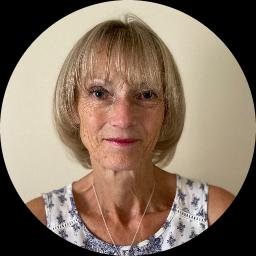
Heather Oddy, NCPS
Heather Oddy uses a person-focused approach that aims to help people feel understood and make practical changes.
About Heather
Heather Oddy uses a person-focused approach that aims to help people feel understood and make practical changes. She combines conversational listening with evidence-based techniques to help clients tackle stress, anxiety, trauma and low mood. Heather holds NCPS as her listed credential and works from the United Kingdom.
Her sessions are straightforward and down to earth. She encourages people to talk about what is causing them distress and to try small, manageable changes between sessions.
Background and approach
Heather draws on cognitive and mindfulness ideas to help people notice unhelpful patterns and build new habits. She also uses attachment-based ideas to look at how early relationships affect current feelings and reactions. That can be helpful for people dealing with grief, intimacy-related problems, or patterns of avoidance and codependency.
Heather has worked with people concerned about ADHD, compassion fatigue, chronic illness and caregiver stress. With five years of practice she blends practical tools and reflective conversation. Sessions often include breathing or grounding exercises, simple cognitive techniques, and discussion about what to try in daily life.
Heather receives monthly clinical supervision under NCPS. People seeking help can expect a calm, empathetic presence and direct suggestions to try between appointments. Her aim is to support clearer thinking, steadier mood and better coping with life changes.
Registration
| Body | Registration number | Expires |
|---|---|---|
| NCPS | NCS20-01032 | June 2026 |
Registration details are as listed on the counsellor's public profile. You can check any number with the registering body.
Sessions and payment
Sessions are held online through our partner platform, by video, phone or messaging depending on the counsellor.
Costs are shown on the partner platform before you commit. If cost is a concern, ask about reduced-fee options.
Focus areas and approaches
What Heather works with
Everything Heather lists, in their own terms.
- Stress, Anxiety
- Trauma and abuse
- Grief
- Self esteem
- Depression
- Relationship issues
- Family conflicts
- Intimacy-related issues
- Eating disorders
- Sleeping disorders
- Parenting issues
- Anger management
- Career difficulties
- Coping with life changes
- Coaching
- Compassion fatigue
- ADHD
- Abandonment
- Adoption and foster care
- Aging and geriatric issues
- Antisocial personality
- Attachment issues
- Avoidant personality
- Blended family issues
- Body image
- Cancer
- Caregiver issues and stress
- Chronic pain, illness, and disability
- Codependency
- Commitment issues
- Communication problems
- Control issues
- Coping with natural or human-caused disaster
- Dependent personality
- Disruptive Mood Dysregulation Disorder (DMDD)
- Dissociation
- Divorce and separation
- Domestic violence
- Drug and alcohol addiction
- Eating and food-related issues
- Emptiness
- Family of origin issues
- Family problems
- Fatherhood issues
- Fertility issues
- First responder issues
- Forgiveness
- Guilt and shame
- Hoarding
- Hospice and end-of-life counselling
- Immigration issues
- Impulsivity
- Infidelity
- Intellectual disability
- Isolation / loneliness
- Jealousy
- Life purpose
- Men's issues
- Midlife crisis
- Veteran and Armed Forces Issues
- Money and financial issues
- Mood disorders
- Multicultural concerns
- Narcissism
- Obsessions, compulsions, and OCD
- Panic disorder and panic attacks
- Personality disorders
- Phobias
- Postpartum depression
- Post-traumatic stress
- Pregnancy and childbirth
- Prejudice and discrimination
- Process addiction (porn, exercise, gambling)
- Seasonal Affective Disorder (SAD)
- Self-harm
- Self-love
- Sex addiction
- Sexual assault and abuse
- Sexual dysfunction
- Sexuality
- Smoking / vaping cessation
- Social anxiety and phobia
- Visually impaired
- Women's issues
- Workplace issues
- Young adult issues
Approaches Heather lists
- Acceptance and Commitment Therapy (ACT)
- Attachment-Based Therapy
- Client-Centred Therapy
- Cognitive Behavioural Therapy (CBT)
- Emotionally-Focused Therapy (EFT)
- Mindfulness Therapy
- Motivational Interviewing
- Psychodynamic Therapy
- Solution-Focused Therapy
- Trauma-Focused Therapy
Listing an approach is not evidence of training in it. This directory copies what each counsellor names and does not check training records.
Online support
Choosing the right approach is part of the work together. Heather will talk with each person about goals, preferences and what has or hasn’t helped before. From that conversation she will suggest ways to proceed and adapt methods over time so the work fits the person’s needs.
Online therapy lets people meet by video, phone, live chat or text-based messaging, offering practical flexibility. Video calls are useful for deeper conversation and visual cues. Phone sessions can be easier when bandwidth is limited or when someone prefers not to be on camera. Live chat and messaging suit brief check-ins, reflective notes or ongoing support between longer sessions. These options make it easier to fit therapy into a busy life and sustain change over time.
Frequently asked
What kinds of problems does Heather help with?
She works with stress, anxiety, trauma and abuse, grief, self-esteem, depression and relationship or intimacy-related issues. The list also includes eating and sleeping concerns, parenting strain, anger, career stress, and coping with life changes.
How would you describe her therapeutic style?
Sessions are person-centred and practical. Heather uses a mix of cognitive techniques, mindfulness and attachment-based thinking to help people notice patterns and try new ways of responding.
What background and experience does she bring?
She has five years of experience working with a broad range of concerns including PTSD, compassion fatigue, chronic illness and people who suspect they have ADHD. She also continues professional development and clinical supervision.
Where is Heather based and what credential does she hold?
She practises from the United Kingdom and lists NCPS as her credential.
Which languages are supported for sessions?
Sessions are offered in English.
What formats are available for therapy sessions?
Therapy is offered by video calls, phone sessions, live chat and text-based messaging.
How are sessions paid for and what do they cost?
Cost varies by location and therapist availability and sessions are provided through a subscription model that can be cancelled at any time.
How do I begin working with Heather?
Start by selecting the Start Therapy button and completing a short matching questionnaire, then schedule sessions according to therapist availability.
Update or remove this listing
Ask us to correct details or take the page down.
Contact usMore counsellors who work with Stress & Anxiety
All of them
Samantha McEwan
BACP
4 years in practice BACP
Experienced BACP counsellor for stress and trauma
- Stress & Anxiety
- Relationship
- Trauma and Abuse

James Maynard
BACP
3 years in practice BACP
Supportive integrative counsellor for everyday challenges
- Stress & Anxiety
- Trauma and Abuse
- Grief

Ashleigh Brown
BACP
6 years in practice BACP
Practical, compassionate therapy focused on everyday change
- Stress & Anxiety
- Addictions
- Trauma and Abuse