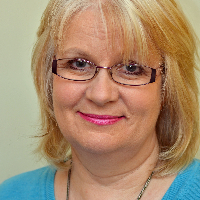
Samantha McEwan
BACP
4 years in practice BACP
Experienced BACP counsellor for stress and trauma
- Stress & Anxiety
- Relationship
- Trauma and Abuse
UK counsellors online
2,067 counsellors name commitment issues among the things they work with. All offer sessions online across the United Kingdom; each profile shows their register, experience and languages.
This page lists counsellors who specialise in commitment issues across the UK, showing approaches, credentials and areas of focus. Browse the listings below to compare counsellors and find someone whose experience aligns with your needs.
BACP
4 years in practice BACP
Experienced BACP counsellor for stress and trauma
BACP
6 years in practice BACP
Practical, compassionate therapy focused on everyday change
BACP
18 years in practice BACP English, Greek
Insight-led psychodynamic counsellor
BACP
3 years in practice BACP
Helping people find practical steps forward
BACP
9 years in practice BACP
Compassionate client-centred counselling
BACP
23 years in practice BACP English, Portuguese
Experienced counsellor for stress and relationships
BACP
3 years in practice BACP
Experienced person-centred counsellor
NCPS
13 years in practice NCPS
Practical, person-focused counselling for life changes
BACP
23 years in practice BACP
Practical, person-centred support for life’s hard moments
BACP
18 years in practice BACP English, Yoruba
Practical support for stress, anxiety and life change
BACP
8 years in practice BACP
Compassionate, practical therapy for real life
BACP
5 years in practice BACP
Person-centred counsellor offering steady support
BACP
11 years in practice BACP
A steady, practical counsellor for life changes
BACP
4 years in practice BACP
Person-centred counsellor for relationship and identity concerns
BACP
7 years in practice BACP
Compassionate person-centred counsellor
BACP
3 years in practice BACP
Calm, practical support for life’s hard moments
BACP
7 years in practice BACP English, Swedish
Practical relational therapy for everyday struggles
BACP
10 years in practice BACP
Compassionate, practical therapy for everyday struggles
BACP
20 years in practice BACP
Person-centred support for lasting change
NCPS
5 years in practice NCPS
Practical, person-centred support for everyday struggles
BACP
5 years in practice BACP
Person-centred counsellor focused on listening
BACP
3 years in practice BACP
Understanding, practical counselling for life changes
NCPS
13 years in practice NCPS
A steady, practical counsellor for life changes
BACP
8 years in practice BACP
Practical therapy for anxiety and life change
BACP
14 years in practice BACP
Supportive counsellor for stress and relationships
HCPC
14 years in practice HCPC English, Hindi
Supportive counsellor using practical therapy methods
BACP
3 years in practice BACP
Client-centred counsellor with psychodynamic and somatic focus
BACP
6 years in practice BACP
Practical, strengths-based counselling for life challenges
BACP
6 years in practice BACP
Practical, calm counselling for everyday challenges
NCPS
9 years in practice NCPS English, Dutch
Practical, person-focused support for everyday struggles
BACP
8 years in practice BACP English, Romanian
Calm, practical therapy for everyday challenges
BACP
5 years in practice BACP
Practical, compassionate counselling for life changes
BACP
26 years in practice BACP
Experienced integrative counsellor for lasting change
NCPS
4 years in practice NCPS
Compassionate practical therapy for life’s challenges
BACP
20 years in practice BACP
Person-centred counsellor with practical therapy tools
NCPS
18 years in practice NCPS
Calm, practical support for everyday struggles
NCPS
3 years in practice NCPS
Empathic psychodynamic counsellor for life challenges
NCPS
3 years in practice NCPS
Person-focused counsellor for stress and life change
BACP
15 years in practice BACP
Person-centred counsellor with practical therapeutic tools
BACP
16 years in practice BACP
Experienced counsellor for stress and life change
BACP
7 years in practice BACP
Practical, person-centred support for everyday struggles
NCPS
3 years in practice NCPS
Calm, practical therapy for everyday challenges
BACP
22 years in practice BACP English, Punjabi
Warm, practical therapy for life’s hard moments
NCPS
5 years in practice NCPS
Helpful, practical counselling for life challenges
BACP
3 years in practice BACP
Practical, person-centred support for relationship and trauma issues
We will earn a commission if you sign up through our link, at no cost to you.
Commitment issues can take many shapes. For some people the difficulty is deciding whether to enter a long-term relationship. For others it is the struggle to stay emotionally close once a relationship is established. You might find yourself repeatedly avoiding conversations about the future, feeling trapped when plans are made, or pulling away as soon as intimacy increases. These patterns often have roots in earlier experiences, attachment history, or loss, but they can also arise from fear of change, perfectionism, or conflicting life priorities.
When commitment becomes a source of anxiety rather than a choice, it affects more than relationships. You may notice it influencing your career decisions, living arrangements or the way you approach parenting and friendships. It can feel confusing because the desire for connection remains, yet the steps required to deepen that connection feel overwhelming. A counsellor can help you explore the patterns that keep repeating and the meanings you attach to commitment, so you can make decisions that fit your values rather than being driven by avoidance or impulse.
There are practical and emotional signs that suggest working with a counsellor could help. You might notice repeated cycles of starting and ending relationships without understanding why, or you might stay in relationships but experience constant doubt, resentment or a sense of being on edge. Another common sign is difficulty making agreements about practical matters - for example, reluctance to move in together, get married, or set joint financial plans - even when you want the relationship to progress. You may also find that fear of commitment spills into other areas of life, making long-term planning feel impossible.
Emotionally, you might experience intense worry when a relationship becomes more serious, feel a strong need for independence that clashes with partnership, or find yourself testing or sabotaging relationships. These behaviours can leave you feeling guilty, isolated or stuck. Therapy offers a place to explore the emotions and beliefs that drive these responses, to learn more adaptive ways of relating, and to reduce the distress that comes with uncertainty. If you are experiencing persistent patterns that affect your wellbeing or sense of fulfilment, a counsellor can support you in making clearer choices.
In early sessions you and your counsellor will typically map out the patterns causing you concern. Expect a relaxed pace at first, with time spent understanding your relationship history, your values and the specific situations that trigger avoidance or anxiety. A counsellor will ask about what commitment means to you, how you felt about relationships when you were younger, and the practical consequences of your current patterns. This helps to build a shared picture of the issues to address.
As therapy continues you will explore feelings and behaviours in more depth. Some sessions will focus on thoughts that fuel fear and avoidance, while others may explore emotional responses and bodily sensations that arise when intimacy is threatened. You may also work on communication skills for discussing needs and boundaries with partners, and practice tolerating uncertainty in ways that do not undermine relationships. Progress is usually gradual and collaborative - you and your counsellor set goals together and review how changes are playing out in your life.
If commitment issues are affecting a current relationship, you may choose individual therapy, couples work, or a combination of both. Individual work tends to focus on personal patterns, history and emotional regulation, while couples sessions concentrate on communication, joint decision making and renegotiating expectations. Counsellors who list couple and relationship approaches among their areas of practice can offer different perspectives on how to address shared concerns and rebuild trust.
There is no single approach that fits everyone, and many counsellors blend perspectives to match your needs. Cognitive behavioural approaches are often used to identify and challenge beliefs that amplify fear - for example, catastrophising around commitment or black-and-white thinking about relationships. Psychodynamic and relational approaches look at how early attachment patterns and previous relationships shape current behaviour, helping you to make sense of persistent cycles and to develop new ways of relating.
Attachment-focused work examines the ways you seek comfort and respond to closeness, which can be useful if you notice repeated triggers around separation or dependence. Emotionally focused and experiential approaches help you experience and regulate the underlying feelings that drive avoidance or withdrawal. Systemic approaches consider wider influences such as family expectations, cultural norms and social roles that shape decisions about commitment. You may also come across counsellors who list methods such as mindfulness-based or narrative approaches among their tools; these can support awareness and re-authoring of relationship stories. When reading listings, note the approaches therapists list rather than assuming formal accreditation in any single method.
Online therapy is a common option for people exploring commitment concerns, offering flexibility in scheduling and the option to work from a familiar environment. Sessions typically take place via video call or telephone, and many counsellors also offer messaging or email-based work as an adjunct. Online sessions can be particularly helpful if you live outside major cities, have caring responsibilities, or prefer the convenience of connecting from home. The therapeutic process itself is similar to in-person work - building a relationship with a counsellor, exploring patterns, and practising new responses - but conducted through remote communication.
There are practical differences to consider. You will want to choose a quiet, comfortable setting where you can speak openly and reflect without interruption. Some people find it easier to express difficult feelings online, while others prefer face-to-face presence for deeper emotional work. If you plan to involve a partner, online sessions can make it simpler for both of you to join from different locations. Check listings for counsellors who list online or remote work among their approaches and read their profiles to understand how they adapt process and boundaries for distance work.
Begin by thinking about the particular aspect of commitment that matters to you - whether it is fear of intimacy, difficulty with decision making, repeated relationship endings, or challenges in negotiating long-term plans. Look for counsellors whose profiles emphasise work with relationships, attachment, or the specific patterns you recognise. Pay attention to stated qualifications such as registration with BACP, HCPC or NCPS and to any professional memberships noted, as these give an indication of professional standards upheld by the counsellor.
Consider practical match factors. Think about the therapeutic approaches you prefer - for instance, someone who lists cognitive behavioural methods may offer structured ways to address anxious thoughts, while a counsellor who highlights relational work may focus on patterns that repeat across relationships. Language, cultural understanding and lived experience can also matter if these elements are central to your identity and relationship expectations. Lastly, trust your sense of fit - many people find it helpful to read profiles and introductory notes to get a sense of a counsellor’s style and focus before making contact.
Deciding to work on commitment issues is a meaningful step. With time, thoughtful reflection and the right therapeutic support, you can gain clarity about your needs and choices and develop ways of relating that feel more authentic and manageable. Use the listings above to compare counsellors by focus, approach and credentials, and select someone whose experience and description resonates with what you are hoping to change.