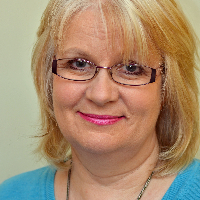
Samantha McEwan
BACP
4 years in practice BACP
Experienced BACP counsellor for stress and trauma
- Stress & Anxiety
- Relationship
- Trauma and Abuse
UK counsellors online
2,671 counsellors name women's issues among the things they work with. All offer sessions online across the United Kingdom; each profile shows their register, experience and languages.
This page lists UK counsellors who specialise in women's issues, including reproductive, perinatal, relationship and identity concerns. Use the listings below to review profiles, professional registration and therapeutic approaches as you consider which counsellor may suit your needs.
BACP
4 years in practice BACP
Experienced BACP counsellor for stress and trauma
BACP
6 years in practice BACP
Practical, compassionate therapy focused on everyday change
BACP
18 years in practice BACP English, Greek
Insight-led psychodynamic counsellor
BACP
3 years in practice BACP
Helping people find practical steps forward
BACP
9 years in practice BACP
Compassionate client-centred counselling
BACP
23 years in practice BACP English, Portuguese
Experienced counsellor for stress and relationships
BACP
3 years in practice BACP
Compassionate, practical therapy for overwhelming feelings
BACP
3 years in practice BACP
Calm, practical support for stressful times
BACP
3 years in practice BACP
Experienced person-centred counsellor
BACP
3 years in practice BACP
Compassionate, practical support for stress and trauma
BACP
23 years in practice BACP
Practical, person-centred support for life’s hard moments
BACP
18 years in practice BACP English, Yoruba
Practical support for stress, anxiety and life change
BACP
8 years in practice BACP
Compassionate, practical therapy for real life
BACP
11 years in practice BACP
A steady, practical counsellor for life changes
BACP
4 years in practice BACP
Person-centred counsellor for relationship and identity concerns
BACP
5 years in practice BACP
Person-centred counselling with practical focus
BACP
11 years in practice BACP English, Portuguese
Deep reflective therapy for relationship and self issues
BACP
3 years in practice BACP
Calm, practical support for life’s hard moments
BACP
10 years in practice BACP
Compassionate, practical therapy for everyday struggles
BACP
3 years in practice BACP
Practical support for anxiety, grief and life changes
4 years in practice NCPS English, Mandarin
Creative psychodrama counsellor for life changes
BACP
20 years in practice BACP
Person-centred support for lasting change
NCPS
5 years in practice NCPS
Practical, person-centred support for everyday struggles
BACP
8 years in practice BACP
Practical therapy for anxiety and life change
BACP
14 years in practice BACP
Supportive counsellor for stress and relationships
HCPC
14 years in practice HCPC English, Hindi
Supportive counsellor using practical therapy methods
BACP
3 years in practice BACP
Client-centred counsellor with psychodynamic and somatic focus
BACP
6 years in practice BACP
Practical, strengths-based counselling for life challenges
BACP
7 years in practice BACP
Client-centred counsellor for life changes
BACP
6 years in practice BACP
Practical, calm counselling for everyday challenges
BACP, NCPS
8 years in practice BACP, NCPS
Support for stress, anxiety and relationships
BACP
8 years in practice BACP English, Romanian
Calm, practical therapy for everyday challenges
BACP
5 years in practice BACP
Practical, compassionate counselling for life changes
BACP
26 years in practice BACP
Experienced integrative counsellor for lasting change
NCPS
4 years in practice NCPS
Compassionate practical therapy for life’s challenges
BACP
20 years in practice BACP
Person-centred counsellor with practical therapy tools
BACP
3 years in practice BACP
Person-centred counsellor for stress and change
BACP
3 years in practice BACP English, Amharic
Compassionate support for stress and trauma
NCPS
18 years in practice NCPS
Calm, practical support for everyday struggles
NCPS
3 years in practice NCPS
Empathic psychodynamic counsellor for life challenges
NCPS
3 years in practice NCPS
Person-focused counsellor for stress and life change
BACP
25 years in practice BACP
Experienced counsellor using person-centred and CBT methods
BACP
8 years in practice BACP
Gentle client-centred therapy for practical change
We will earn a commission if you sign up through our link, at no cost to you.
Women's issues cover a broad range of concerns that relate to the physical, emotional and social aspects of being a woman at different life stages. These may include difficulties linked to fertility and conception, the perinatal period, menopause, body image and self-esteem, relationship dynamics, identity and gender roles, as well as the impact of trauma or abuse. These topics are often intertwined with societal expectations and cultural pressures, so the emotional response you experience can be complex and layered.
When you seek counselling for women's issues you are likely addressing both the immediate distress and the longer-term patterns that influence how you feel and behave. For some people the issue is a single event, such as a pregnancy loss or a change during the menopause. For others it is an accumulation of experiences that affect wellbeing, such as ongoing caregiving responsibilities, discrimination, or tensions in intimate relationships. Counselling offers a space to explore these intersecting factors in a focused way so you can identify what matters most to you and what practical changes might help.
It is common to feel conflicted about seeking help, particularly if the issues touch on identity, sexuality or family expectations. You may want to talk about how to set boundaries, manage physical symptoms alongside emotional strain, or navigate major life decisions. A counsellor can help you unpack these themes gradually, support you in making decisions that feel right for you, and help you develop coping strategies for times of heightened stress.
You might consider counselling if you notice that certain feelings or situations are starting to interfere with your day-to-day life, work or relationships. Persistent low mood, rising anxiety, disturbed sleep, or difficulty concentrating can signal that an issue is having a wider impact. You may find yourself withdrawing from social contact, feeling overwhelmed by parenting or caregiving responsibilities, or repeatedly experiencing conflict in relationships that leaves you drained.
Other signs include recurring thoughts about an event such as a miscarriage or a traumatic relationship, a sense of identity loss at life transitions like menopause or becoming a parent, or heightened worry about fertility and the future. Physical symptoms without clear medical cause - such as changes in appetite, headaches or chronic tension - can also accompany emotional distress. If thoughts are intrusive or you are having difficulty managing strong emotional reactions, counselling can offer tools and a structured space to explore those responses.
If you are unsure whether counselling is right for you, a reputable counsellor can discuss their approach and how they work so you have a clearer sense of what a therapeutic process might involve. Looking for a counsellor who lists experience with relevant topics or particular life stages can help you find someone whose focus aligns with your needs.
At the start of your counselling relationship you can expect an initial discussion about what has brought you to therapy and what you hope to achieve. This assessment phase is usually conversational and aims to establish a shared understanding of your concerns, practical matters like session length and fees, and any safeguarding considerations. After that, sessions often follow your lead while the counsellor helps you notice patterns, emotional triggers and interpersonal dynamics. Some people prefer a short-term focused course of work to address a specific problem, while others find longer-term therapy helpful for exploring deeper patterns and personal history.
Counsellors use a range of therapeutic models, and you will often see descriptions of approaches on profiles. You may encounter counsellors who list cognitive behavioural therapy among their approaches, which often focuses on the links between thoughts, feelings and behaviours, or those who list psychodynamic approaches, which explore how past relationships influence current patterns. Many counsellors list person-centred practice, which emphasises empathy and a non-judgemental relationship, and others list trauma-informed or body-aware approaches for work related to abuse, birth trauma or physical transitions. You may also find counsellors who list narrative approaches, systemic thinking for relationship and family issues, or mindfulness-based ways of working. When a counsellor lists an approach it indicates the perspective they bring; if a specific method appeals to you, look for counsellors who mention it in their profile.
Throughout therapy the focus can shift between practical problem-solving and deeper exploration depending on your needs. You will be invited to reflect, try out new ways of relating, and practise skills between sessions if that feels helpful. Good therapeutic work is collaborative - you and your counsellor will agree on aims and check progress together.
Online counselling has become a common way to access support for women's issues, offering a way to connect from your own home or another comfortable environment. Sessions can take place by video call, telephone or text-based messaging, depending on what the counsellor and you agree. Many people value online sessions for the convenience they offer when juggling childcare, work or travel, and for the ability to choose a counsellor who specialises in your concern even if they are based in another part of the UK.
When you use online counselling you should expect the counsellor to explain how sessions will be conducted, what to do in an emergency, and how your personal information will be handled to respect your privacy. You will also want to arrange a quiet, undisturbed place where you can talk openly and feel comfortable. Some people find it easier to disclose sensitive topics from their own environment, while others prefer face-to-face meetings; both formats can be effective, and the choice comes down to what suits your needs and circumstances.
Online work can be adapted to different issues - for example, perinatal support can include flexible session times to accommodate feeding or sleep needs, while work on relationships may involve practising communication skills with homework exercises between sessions. If language, accessibility or cultural understanding is important to you, look for counsellors who mention those attributes in their profile so you can feel understood and supported throughout the process.
When choosing a counsellor you may want to begin by looking at profiles for the issues and life stages that match your situation. Identify counsellors who describe experience with relevant topics such as fertility, miscarriage, perinatal transitions, menopause, domestic abuse or relationship difficulties. Pay attention to the therapeutic approaches they list and consider whether a practical, skills-based focus or a more exploratory, relational approach feels most suitable to you.
Check that the counsellor is registered with an appropriate UK body such as BACP, HCPC or NCPS, and read any profile information about their professional experience and areas of interest. Registration indicates that a counsellor works within an agreed ethical framework and ongoing professional standards. It is also reasonable to enquire about language capabilities, cultural competence and experience working with specific communities if those factors matter to you.
Practical matters include session length, fees and how sessions are arranged. You should consider how therapy will fit with your routine and whether you prefer online, telephone or face-to-face meetings. Many counsellors provide an initial meeting or brief discussion so you can get a sense of their style before committing to ongoing work. Trust your instincts about whether you feel comfortable and understood - a good therapeutic match is an important part of progress. If you change your mind or the work is not what you expected, it is acceptable to pause and look for a different counsellor whose approach or experience better fits what you need.
Finding the right counsellor for women's issues can take time, and the directory listings below are designed to help you compare professional registration, stated areas of focus, languages and therapeutic approaches so you can make an informed choice. Remember that asking questions about how a counsellor works and what to expect is a normal part of starting therapy, and making that enquiry can help you move toward the support you want.