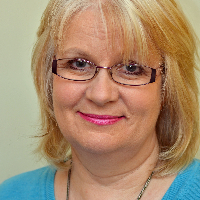
Samantha McEwan
BACP
4 years in practice BACP
Experienced BACP counsellor for stress and trauma
- Stress & Anxiety
- Relationship
- Trauma and Abuse
UK counsellors online
3,370 counsellors name isolation / loneliness among the things they work with. All offer sessions online across the United Kingdom; each profile shows their register, experience and languages.
This page lists UK counsellors who specialise in isolation and loneliness, offering approaches aimed at emotional support and rebuilding connections. Browse the listings below to compare specialisms, therapeutic approaches, registration and languages offered.
BACP
4 years in practice BACP
Experienced BACP counsellor for stress and trauma
BACP
6 years in practice BACP
Practical, compassionate therapy focused on everyday change
BACP
18 years in practice BACP English, Greek
Insight-led psychodynamic counsellor
BACP
3 years in practice BACP
Helping people find practical steps forward
BACP
9 years in practice BACP
Compassionate client-centred counselling
BACP
23 years in practice BACP English, Portuguese
Experienced counsellor for stress and relationships
BACP
3 years in practice BACP
Compassionate counsellor for anxiety and grief
BACP
3 years in practice BACP
Calm, practical support for stressful times
BACP
3 years in practice BACP
Experienced person-centred counsellor
NCPS
13 years in practice NCPS
Practical, person-focused counselling for life changes
BACP
3 years in practice BACP
Calm practical support for anxiety and life changes
BACP, NCPS
10 years in practice BACP, NCPS
Calm, practical therapy for everyday challenges
BACP
18 years in practice BACP English, Yoruba
Practical support for stress, anxiety and life change
BACP
8 years in practice BACP
Compassionate, practical therapy for real life
BACP
5 years in practice BACP
Person-centred counsellor offering steady support
BACP
11 years in practice BACP
A steady, practical counsellor for life changes
BACP
4 years in practice BACP
Person-centred counsellor for relationship and identity concerns
BACP
7 years in practice BACP
Compassionate person-centred counsellor
BACP
11 years in practice BACP English, Portuguese
Deep reflective therapy for relationship and self issues
BACP
3 years in practice BACP
Calm, practical support for life’s hard moments
BACP
10 years in practice BACP
Compassionate, practical therapy for everyday struggles
BACP
3 years in practice BACP
Practical support for anxiety, grief and life changes
NCPS
3 years in practice NCPS
Warm, relational counselling for stress and relationships
4 years in practice NCPS English, Mandarin
Creative psychodrama counsellor for life changes
BACP
20 years in practice BACP
Person-centred support for lasting change
NCPS
15 years in practice NCPS
Practical, client-centred therapy for everyday challenges
NCPS
5 years in practice NCPS
Practical, person-centred support for everyday struggles
BACP
5 years in practice BACP
Person-centred counsellor focused on listening
BACP
3 years in practice BACP
Practical, compassionate therapy for everyday challenges
BACP
3 years in practice BACP
Understanding, practical counselling for life changes
NCPS
13 years in practice NCPS
A steady, practical counsellor for life changes
BACP
8 years in practice BACP
Practical therapy for anxiety and life change
BACP
14 years in practice BACP
Supportive counsellor for stress and relationships
HCPC
14 years in practice HCPC English, Hindi
Supportive counsellor using practical therapy methods
BACP
3 years in practice BACP
Client-centred counsellor with psychodynamic and somatic focus
BACP
7 years in practice BACP
Client-centred counsellor for life changes
BACP
6 years in practice BACP
Practical, calm counselling for everyday challenges
BACP, NCPS
8 years in practice BACP, NCPS
Support for stress, anxiety and relationships
NCPS
9 years in practice NCPS English, Dutch
Practical, person-focused support for everyday struggles
BACP
8 years in practice BACP English, Romanian
Calm, practical therapy for everyday challenges
BACP
5 years in practice BACP
Practical, compassionate counselling for life changes
BACP
26 years in practice BACP
Experienced integrative counsellor for lasting change
NCPS
4 years in practice NCPS
Compassionate practical therapy for life’s challenges
We will earn a commission if you sign up through our link, at no cost to you.
Loneliness and isolation are related but distinct experiences. Loneliness is the subjective feeling that your social needs are not being met, while isolation refers to the objective quantity and quality of social contact. You can feel lonely in a crowd or feel content when largely alone - the experience depends on whether the relationships around you meet your needs for intimacy, belonging and shared understanding. In the UK many factors can influence these experiences - moves for work or study, changes in family life, retirement, long-term illness, bereavement, or the rhythms of modern urban living. Social patterns, digital lifestyles and cultural expectations also shape how people connect and what support they expect from friends and neighbours.
When loneliness is persistent it often affects more than your social life. It can alter your daily routines, reduce motivation to reach out to others and make ordinary tasks feel heavier. Some people notice changes in sleep, appetite or concentration, or find that they rely more on short-term distractions than on meaningful relationships. These reactions are normal responses to feeling disconnected, but if they go on they can make it harder to rebuild connections. Counselling can offer a reflective space to explore how loneliness developed, how it shows up in your life and what small steps might help you feel more connected over time.
It can be hard to know when to seek support. You might find yourself withdrawing from activities you once enjoyed, or cancelling plans because interacting feels too difficult. You may notice a growing sense of shame or self-criticism about being alone, which in turn makes you avoid reaching out. Repeated short-term relationships, difficulty trusting others or feeling like you do not fit in at work or socially can all point to underlying patterns that sustain loneliness.
Other signs include persistent low mood, increased anxiety around social situations, or a sense that your days lack meaningful connection. You might use screens and social media more to fill time but experience little satisfaction afterwards. If you are struggling to form or maintain friendships, or if past losses and transitions keep resurfacing, counselling can help you explore these themes. Therapy is particularly useful when isolation becomes cyclical - for example, when withdrawing leads to fewer social contacts, which increases loneliness and prompts further withdrawal.
When you begin counselling for loneliness, the initial sessions usually focus on understanding your personal story. You and your counsellor will explore the circumstances that contributed to your current feelings, patterns in relationships, and how your daily life is organised. This exploration is collaborative - your counsellor will listen and reflect, and you will be invited to notice thoughts, emotions and behaviours that arise in and outside sessions. Over time the work often moves from understanding to practical steps - experimenting with different ways of connecting, practicing social skills, or re-evaluating expectations about relationships.
Therapy can also involve addressing underlying emotional barriers such as fear of rejection, low self-worth or difficulties trusting others. In a supportive setting you can rehearse new ways of interacting and reflect on what feels manageable for you. Counselling is not a quick fix; it is a process that respects your pace and readiness to try different approaches. Many people find it helpful to think of therapy as a space for rehearsal and reflection - a place to try small changes and learn from them, rather than a place that will instantly remove loneliness.
Therapists take a range of approaches to loneliness, and these are often reflected in how counsellors describe their work on directory listings. Some counsellors work from a cognitive-behavioural perspective, which may help you notice and challenge unhelpful thoughts that keep you from reaching out. Others offer relational or psychodynamic work, looking at how early experiences shape current patterns in relationships and your expectations of closeness. There are counsellors who emphasise humanistic approaches that focus on personal growth and self-compassion, and there are practitioners who use narrative techniques to help you rewrite the story you tell about yourself and your social life.
It is common to see counsellors who list approaches such as emotion-focused work, interpersonal therapy, or group-based programmes among their methods. Group work can be especially useful for loneliness because it provides opportunities to practise interactions in a supported setting. Wherever you start, the approach you choose should match the type of exploration you want - whether that is practical skills, in-depth relationship patterns, or emotional processing. Listings often show the approaches a counsellor uses and the client groups they specialise in, helping you pick someone whose way of working aligns with what you hope to address.
Online counselling is commonly used for issues of loneliness because it reduces practical barriers to contact. You can connect from home, from a quiet room at work or another comfortable environment, and choose a format that suits you - video calls, telephone sessions or messaging-based contact with scheduled time for replies. The core elements of therapy - listening, reflection and planning - remain the same online as in person. Many people appreciate the immediacy of being able to speak with a counsellor from where they live, particularly if geographical distance or mobility limits make in-person work difficult.
To get the best out of online sessions you might think about creating a steady routine and finding a place where you can talk with minimal interruption. If privacy is a concern, you can arrange sessions at times when others are out or use headphones to keep conversations more contained. Technology can take some getting used to, but counsellors are experienced in helping clients settle into online formats and to find ways of reading non-verbal cues in video calls.
Choosing a counsellor is a personal decision and there are practical ways to narrow options. Consider the populations a counsellor mentions - for example, work with older adults, students, people experiencing bereavement or those who have moved country - as these indicate lived-experience focus points rather than endorsements of skill level. Look at the therapeutic approaches listed and think about what feels most likely to fit your style of reflection. Some people prefer a practical, skill-based approach while others want a deeper exploration of relationship patterns.
Registration with a professional body is an important indicator that a counsellor adheres to recognised ethical standards. In the UK this often means membership or registration with organisations such as BACP, HCPC or NCPS. Read counsellors' profiles to see how they describe their experience, the languages they work in, and whether they offer individual or group work. It is also reasonable to check how they manage boundaries and wellbeing in practice - for example, session length, fee structure and how they handle cancellations - as these practical details help you decide if the working arrangement will suit your life.
Finally, trust your instincts. Feeling heard and understood in your first conversations is often the best indicator that a counsellor is a good fit. If a particular style of work or a counsellor's way of describing their practice doesn't resonate, it does not mean the issue is not real - it simply means another approach may be more comfortable for you. The listings below will help you compare counsellors by registration, approach, languages and focus areas so you can find a sensible starting point for addressing isolation and loneliness.