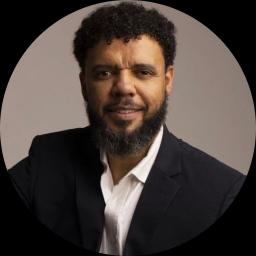
Apostolos Fournaris
BACP
18 years in practice BACP English, Greek
Insight-led psychodynamic counsellor
- Stress & Anxiety
- Addictions
- Relationship
UK counsellors online
651 counsellors name veterans among the things they work with. All offer sessions online across the United Kingdom; each profile shows their register, experience and languages.
This page lists counsellors who specialise in veterans and armed forces issues across the UK. Browse practitioner profiles below to compare approaches, credentials, languages and areas of focus.
BACP
18 years in practice BACP English, Greek
Insight-led psychodynamic counsellor
BACP
7 years in practice BACP
Warm, person-centred counsellor focused on wellbeing
BACP
3 years in practice BACP
Helping people find practical steps forward
BACP
23 years in practice BACP English, Portuguese
Experienced counsellor for stress and relationships
BACP
8 years in practice BACP
Practical therapy for anxiety and life change
HCPC
14 years in practice HCPC English, Hindi
Supportive counsellor using practical therapy methods
BACP
6 years in practice BACP
Practical, calm counselling for everyday challenges
BACP, NCPS
8 years in practice BACP, NCPS
Support for stress, anxiety and relationships
BACP
8 years in practice BACP English, Romanian
Calm, practical therapy for everyday challenges
BACP
26 years in practice BACP
Experienced integrative counsellor for lasting change
NCPS
18 years in practice NCPS
Calm, practical support for everyday struggles
BACP
22 years in practice BACP English, Punjabi
Warm, practical therapy for life’s hard moments
NCPS
5 years in practice NCPS
Helpful, practical counselling for life challenges
BACP
10 years in practice BACP
Practical, person-centred counselling for life challenges
BACP, NCPS
17 years in practice BACP, NCPS
Calm, practical therapy for life’s hardest moments
BACP
6 years in practice BACP English, Igbo
Compassionate counsellor who blends listening and practical tools
NCPS
5 years in practice NCPS English, Mandarin
Practical therapy for everyday emotional struggles
BACP
5 years in practice BACP
Trusted counsellor for life challenges
BACP
12 years in practice BACP
Compassionate support for personal and sexual health concerns
BACP
7 years in practice BACP
Compassionate, practical support for life’s challenges
BACP, NCPS
6 years in practice BACP, NCPS
A practical counsellor for relationship and life change
16 years in practice NCPS English, Hindi
Experienced integrative psychotherapist focused on practical support
BACP
4 years in practice BACP
Practical, calm support for life’s hard moments
BACP
11 years in practice BACP
Practical, person-focused therapy for life challenges
NCPS
4 years in practice NCPS
Flexible, practical support for emotional challenges
5 years in practice BACP
Compassionate, practical therapy for life’s hard moments
BACP
17 years in practice BACP English, Italian
Warm person-centred counsellor with practical focus
BACP
28 years in practice BACP
Calm, practical support for life changes
BACP
4 years in practice BACP
Supportive client-centred counselling for life’s challenges
BACP
5 years in practice BACP
Helping people find practical ways forward
BACP
20 years in practice BACP
Experienced counsellor for stress and life changes
NCPS
9 years in practice NCPS
Practical, goal-focused therapy with a calm approach
25 years in practice BACP
Supportive counsellor blending listening and practical tools
BACP
23 years in practice BACP
Person-centred counsellor focusing on practical change
HCPC
27 years in practice HCPC
Compassionate, practical therapy for lasting coping
NCPS
3 years in practice NCPS
Sensitive counsellor focusing on practical support
BACP
26 years in practice BACP
Experienced counsellor for grief and trauma recovery
BACP
11 years in practice BACP
Experienced counsellor offering practical, person-focused support
NCPS
12 years in practice NCPS
Compassionate counsellor combining practical and reflective work
BACP
8 years in practice BACP
Gentle relational psychotherapy focused on lasting change
BACP
15 years in practice BACP
Compassionate counsellor for practical change
BACP
30 years in practice BACP
Experienced integrative counsellor for practical support
5 years in practice BACP
Compassionate counselling for practical change
We will earn a commission if you sign up through our link, at no cost to you.
If you have served in the armed forces, you may carry experiences that shape how you feel, think and relate to others. Service can bring pride, strong camaraderie and skills that transfer well to civilian life, while the realities of deployment, combat exposure or extended separation from family can leave lasting impressions. Transitioning from military to civilian roles often involves shifts in identity, routine and support networks, and that adjustment can take time. Some veterans notice changes in sleep, mood or relationships; others find themselves replaying difficult memories or avoiding reminders of what they experienced.
Physical injuries, repeated operational stress and the cumulative effects of long deployments can interact with emotional well-being. Many people who have served describe a complex mix of practical concerns - such as employment, housing and benefits - alongside emotional difficulties. Counselling that specialises in veterans' issues aims to take account of both the practical and emotional dimensions of service life, helping you to make sense of experiences and to find strategies that fit your priorities and daily routine.
You might consider seeking support if service-related experiences are affecting your quality of life. These signs can include intrusive recollections that make it hard to concentrate, ongoing tensions in close relationships, or heightened startle responses that make everyday environments feel overwhelming. Avoidance - steering well clear of places, people or conversations that remind you of difficult events - can leave you feeling cut off from social supports. Other common indicators include problems with sleep, increased alcohol or drug use to manage feelings, persistent anger, or a sense of purposeless after leaving service.
Physical symptoms such as chronic pain or changes in appetite are often connected with emotional strain. If you notice difficulties holding down work, sustaining friendships, or enjoying activities you once valued, these are important signals that extra support could help. You do not need to wait until symptoms are severe to reach out; early conversations with a counsellor who understands the context of military life can make it easier to set realistic goals and to address both practical challenges and emotional responses.
When you begin counselling for veterans' issues, the first sessions usually focus on building a working relationship and clarifying what you want to achieve. A counsellor will ask about your service history if you are comfortable sharing it, alongside your current concerns and any practical pressures you face. This information helps to shape an approach that respects your experiences, rhythms and practical needs. Sessions are collaborative - you and the counsellor decide on priorities and adjust the pace according to your readiness to explore difficult material.
Some people prefer a structured plan with specific coping strategies for sleep, mood or anxiety, while others benefit from exploring meaning, identity and relationships. A counsellor may work with you to reduce distressing symptoms and to strengthen skills for managing day-to-day stressors. Family or relationship-focused work can be part of the process if those areas are affected, and some counsellors offer short-term, goal-focused sessions while others provide open-ended support. You should expect clear discussion about session length, frequency and practical matters such as fees and how to contact the practitioner between sessions if that is offered.
Therapists working with veterans often describe a range of approaches on their profiles. It is important to understand that a listed approach indicates what a counsellor uses in practice, not an automatic guarantee of formal accreditation in that method. Typical approaches you may see listed include trauma-focused cognitive behavioural therapy, narrative approaches that help you make sense of service stories, acceptance and commitment approaches that focus on values and meaningful action, mindfulness-based strategies for managing arousal and stress, and interpersonal work that targets relationships and communication.
Some counsellors describe group work with other veterans as part of their offerings; groups can be helpful for restoring a sense of connection and shared understanding, though they suit some people more than others. You may also come across references to therapeutic practices such as EMDR, which some therapists list among their approaches. When you read a profile, look for descriptions of how an approach is used in everyday sessions and consider whether that style fits how you prefer to work - whether you want a direct, skills-based focus, a space to reflect on meaning, or a mix of both. Many practitioners also list their professional registration - for example with BACP, HCPC or NCPS - which helps you know they work within an established ethical framework.
Online counselling has become a well-established option for many people who have served. Sessions commonly take place by video call, telephone or text-based messaging platforms, allowing you to access practitioners across the UK without travel. Online work can be especially helpful if you live a distance from specialist services, have mobility needs, or prefer the convenience of meeting from home. To make the most of remote sessions, choose a quiet and uninterrupted space where you can speak freely and be comfortable. Practitioners typically explain their approach to privacy and how they protect your information before you start.
When choosing a counsellor, pay attention to how they describe their experience with military culture, transition issues and the practical challenges veterans face. Look at the areas of focus they list, the therapeutic approaches they use, any languages spoken and their professional registration - whether that is with BACP, HCPC or NCPS. A counsellor’s short profile can tell you about their orientation - for example whether they emphasise practical coping skills, trauma-informed work, relationship support, or a values-based approach. It is reasonable to contact a practitioner to ask how they typically work with veterans, how they support people who might be struggling with sleep or anger, and what the first sessions aim to achieve. That conversation can give you a sense of whether their style fits your preferences.
Finally, practical considerations matter. Think about session length and frequency that will fit with your commitments, any fees and payment methods, and whether you prefer in-person meetings in a local setting or online contact. If you are in immediate danger or need urgent help, contact local emergency services or the NHS urgent care pathways. Choosing a counsellor is a personal decision - taking time to read profiles, reflect on what feels important to you, and asking a few questions before committing helps you find a professional who respects your service history and supports your goals.