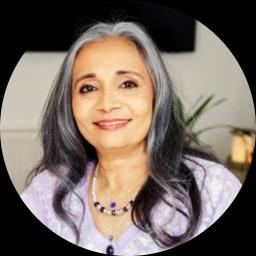
Apostolos Fournaris
BACP
18 years in practice BACP English, Greek
Insight-led psychodynamic counsellor
- Stress & Anxiety
- Addictions
- Relationship
UK counsellors online
922 counsellors name fertility issues among the things they work with. All offer sessions online across the United Kingdom; each profile shows their register, experience and languages.
This page lists counsellors who specialise in fertility issues and the emotional impact of fertility treatment, pregnancy loss and family building decisions. Use the listings below to review profiles, compare approaches and find a counsellor who matches your needs.
BACP
18 years in practice BACP English, Greek
Insight-led psychodynamic counsellor
BACP
3 years in practice BACP
Helping people find practical steps forward
BACP
23 years in practice BACP English, Portuguese
Experienced counsellor for stress and relationships
BACP
5 years in practice BACP
Person-centred counsellor offering steady support
BACP
5 years in practice BACP
Person-centred counselling with practical focus
NCPS
13 years in practice NCPS
A steady, practical counsellor for life changes
BACP
8 years in practice BACP
Practical therapy for anxiety and life change
BACP
3 years in practice BACP
Client-centred counsellor with psychodynamic and somatic focus
BACP
6 years in practice BACP
Practical, calm counselling for everyday challenges
BACP
8 years in practice BACP English, Romanian
Calm, practical therapy for everyday challenges
NCPS
18 years in practice NCPS
Calm, practical support for everyday struggles
NCPS
3 years in practice NCPS
Empathic psychodynamic counsellor for life challenges
BACP
15 years in practice BACP
Person-centred counsellor with practical therapeutic tools
BACP
7 years in practice BACP
Practical, person-centred support for everyday struggles
NCPS
3 years in practice NCPS
Calm, practical therapy for everyday challenges
BACP
3 years in practice BACP
Practical, person-centred support for relationship and trauma issues
BACP
5 years in practice BACP
Practical support for anxiety and life changes
BACP
3 years in practice BACP
Warm practical online counsellor
BACP
10 years in practice BACP
Practical, person-centred counselling for life challenges
BACP
9 years in practice BACP English, Gujarati
Practical, culturally aware counselling
BACP, NCPS
13 years in practice BACP, NCPS English, Polish
Calm, practical counselling for real-life strain
BACP
8 years in practice BACP English, Bengali
Supportive counsellor for stress and relationships
BACP
11 years in practice BACP
Practical, compassionate counselling and CBT
NCPS
8 years in practice NCPS
Person-centred counsellor focused on practical change
BACP, NCPS
17 years in practice BACP, NCPS
Calm, practical therapy for life’s hardest moments
BACP
6 years in practice BACP English, Igbo
Compassionate counsellor who blends listening and practical tools
BACP
17 years in practice BACP English, American Sign Language
Compassionate counsellor for life changes
BACP
3 years in practice BACP English, Spanish
Compassionate, practical support for life changes
BACP
7 years in practice BACP
Compassionate, practical support for life’s challenges
16 years in practice NCPS English, Hindi
Experienced integrative psychotherapist focused on practical support
NCPS
13 years in practice NCPS
Calm, practical counselling for life’s hard moments
BACP
11 years in practice BACP
Practical, person-focused therapy for life challenges
BACP
5 years in practice BACP
Supportive counsellor using practical therapy
NCPS
5 years in practice NCPS English, Hebrew
Short-term therapy with practical tools
BACP
8 years in practice BACP
Calm, pragmatic counsellor for life changes
4 years in practice BACP
Calm, practical counselling for everyday strains
BACP
4 years in practice BACP
Supportive client-centred counselling for life’s challenges
BACP
5 years in practice BACP
Helping people find practical ways forward
BACP
4 years in practice BACP
Compassionate counselling to help you find softer ways
BACP
8 years in practice BACP
Practical, evidence-based support for stress and relationships
NCPS
4 years in practice NCPS
Compassionate support for relationship and trauma recovery
BACP
20 years in practice BACP
Experienced counsellor for stress and life changes
BACP
4 years in practice BACP
Compassionate counsellor helping people find inner freedom
We will earn a commission if you sign up through our link, at no cost to you.
Fertility issues can include difficulties conceiving, recurrent miscarriage, challenges with assisted conception, secondary infertility and the complex decisions that arise when family plans change. For many people, the experience is not only medical but deeply emotional, affecting how you see yourself, your relationships and your plans for the future. You may feel grief for an outcome that has not materialised, frustration with the medical system, or a sense of loss around expectations and identity. Partners can experience these feelings differently, and tensions about timing, finances and treatment choices can add stress to an already fraught situation.
The emotional responses to fertility issues are varied and normal. Some people experience anxiety at every fertility clinic appointment or when menstrual cycles begin. Others report low mood, changes in libido, or a sense of isolation when friends and family are not facing similar challenges. Cultural expectations and personal values can intensify pressure, and past experiences such as a history of loss or trauma may influence how you cope now. Counselling offers a place to explore these feelings alongside practical coping strategies that help you navigate medical pathways, relationships and decision-making.
You might consider counselling if the stress of fertility challenges is interfering with your day-to-day functioning, your relationships or your ability to make clear decisions about treatment. If you find yourself avoiding conversations with a partner, feeling repeatedly overwhelmed by medical information, or experiencing symptoms of anxiety or low mood that persist for weeks, a counsellor can help you process and manage those responses. Some people seek support before embarking on treatment to explore hopes and expectations, while others look for help after a loss or when considering alternatives such as donor conception or adoption.
Counselling can also be helpful if you notice changes in behaviour that concern you, such as withdrawing from social life, relying heavily on alcohol to cope, or avoiding intimacy. There is no single indicator that counselling is necessary - it is about whether you feel the need for a compassionate space to talk, to weigh options or to learn ways of coping that respect your values. You do not need to wait until a crisis to ask for support; early contact with a counsellor can make it easier to manage the ups and downs of the fertility journey.
In the first few sessions, a counsellor will usually ask about your history, what has led you to seek support and how fertility issues are affecting your life. Conversations can cover emotional responses to treatment, relationship dynamics, decision-making around options and any previous losses. Sessions are guided by what you want to work on, whether that is processing grief, improving communication with a partner, managing medical anxiety or exploring next steps after a difficult result.
You can expect the pace and style of counselling to reflect your needs. Some people prefer a short-term series of sessions focused on a particular decision or event, while others benefit from longer-term work to process complex feelings and build coping strategies. Counsellors may suggest tasks to try between sessions such as practical communication exercises, journaling prompts or stress-management techniques. The aim is to support your emotional wellbeing and help you develop tools to handle the practical and relational aspects of fertility issues.
Counselling can take place individually or with a partner, depending on the focus of the work. Couples sessions can provide a space to talk about differences in coping styles, expectations about treatment, and practical concerns such as finances and timing. Where appropriate, counsellors may also discuss how to involve wider family or a support network in a way that protects your emotional boundaries while allowing for meaningful connection.
Many counsellors bring an integrative approach, drawing on different methods to meet your particular needs. You will find counsellors who list cognitive-behavioural approaches among their methods, which can be useful for managing anxiety and unhelpful thought patterns related to treatment cycles and uncertainty. Other counsellors mention psychodynamic or emotionally focused approaches to explore how past experiences and attachment styles influence your current reactions. There are counsellors who list mindfulness-based or acceptance-oriented approaches to help you live with uncertainty and reduce stress around uncontrollable outcomes.
It is important to remember that when a counsellor lists a therapeutic approach it indicates a preferred method rather than a formal guarantee of training. If an approach appeals to you, look at the counsellor's profile to read how they describe their work and to see whether they mention relevant experience with fertility-related concerns. Many counsellors also note languages spoken, specialties such as pregnancy loss or donor conception, and professional registrations like BACP, HCPC or NCPS that indicate recognised professional standards in the UK.
Online counselling is widely used for fertility-related support because it allows you to meet a counsellor from home, from a clinic waiting area or between appointments, which can be useful during intensive treatment periods. Online sessions commonly take place via video call, telephone or text-based messaging platforms. You should expect to discuss practical arrangements up front - the platform to be used, session length, fees and cancellation policies - so you know how the relationship will work within your daily routine.
When using online counselling you may need to arrange a quiet, comfortable environment in which to talk, to ensure you will not be interrupted during sensitive conversations. Some people choose to alternate online sessions with face-to-face meetings if the counsellor offers both options. Online sessions can be particularly helpful if you live far from specialist services, have mobility constraints or need flexibility around clinic appointments. That said, the therapeutic relationship and the counsellor's approach are the main determinants of whether online work will feel helpful to you, so consider how you prefer to communicate and what feels most manageable.
Choosing a counsellor is a personal process. You may prioritise someone who lists fertility issues among their specialisms, who mentions experience with pregnancy loss or assisted conception, or who works with couples if that is your intention. Look for clear information about professional registration such as BACP, HCPC or NCPS, which indicates adherence to recognised ethical standards in the UK. Pay attention to the counsellor's description of their approach and to the languages they offer, as shared language and cultural understanding can be important in discussing family expectations and values.
Before committing to a series of sessions you might contact a counsellor to ask brief questions about their experience with fertility-related issues and their typical session structure. Many profiles include an outline of fees and the kinds of matters the counsellor often works with. Trust your instincts about whether you feel understood and respected during an initial conversation. If a counsellor’s style does not feel like the right fit, it is reasonable to look at other profiles until you find someone whose approach and manner align with your needs. The aim is to find a supportive professional who helps you manage emotion, make considered decisions and care for your wellbeing while navigating fertility concerns.