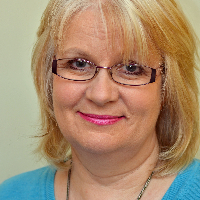
Samantha McEwan
BACP
4 years in practice BACP
Experienced BACP counsellor for stress and trauma
- Stress & Anxiety
- Relationship
- Trauma and Abuse
UK counsellors online
3,282 counsellors name life purpose among the things they work with. All offer sessions online across the United Kingdom; each profile shows their register, experience and languages.
This page lists counsellors who specialise in life purpose, meaning and direction. Browse the profiles below to explore approaches, credentials, languages and experience to help you find someone who may suit your needs.
BACP
4 years in practice BACP
Experienced BACP counsellor for stress and trauma
BACP
6 years in practice BACP
Practical, compassionate therapy focused on everyday change
BACP
18 years in practice BACP English, Greek
Insight-led psychodynamic counsellor
BACP
3 years in practice BACP
Helping people find practical steps forward
BACP
9 years in practice BACP
Compassionate client-centred counselling
BACP
23 years in practice BACP English, Portuguese
Experienced counsellor for stress and relationships
NCPS
13 years in practice NCPS
Practical, person-focused counselling for life changes
BACP
3 years in practice BACP
Calm practical support for anxiety and life changes
BACP, NCPS
10 years in practice BACP, NCPS
Calm, practical therapy for everyday challenges
BACP
23 years in practice BACP
Practical, person-centred support for life’s hard moments
BACP
18 years in practice BACP English, Yoruba
Practical support for stress, anxiety and life change
BACP
8 years in practice BACP
Compassionate, practical therapy for real life
BACP
5 years in practice BACP
Person-centred counsellor offering steady support
BACP
11 years in practice BACP
A steady, practical counsellor for life changes
BACP
4 years in practice BACP
Person-centred counsellor for relationship and identity concerns
BACP
7 years in practice BACP
Compassionate person-centred counsellor
BACP
11 years in practice BACP English, Portuguese
Deep reflective therapy for relationship and self issues
BACP
3 years in practice BACP
Calm, practical support for life’s hard moments
BACP
7 years in practice BACP English, Swedish
Practical relational therapy for everyday struggles
BACP
10 years in practice BACP
Compassionate, practical therapy for everyday struggles
BACP
3 years in practice BACP
Practical support for anxiety, grief and life changes
NCPS
3 years in practice NCPS
Warm, relational counselling for stress and relationships
4 years in practice NCPS English, Mandarin
Creative psychodrama counsellor for life changes
BACP
20 years in practice BACP
Person-centred support for lasting change
NCPS
5 years in practice NCPS
Person-centred counsellor focused on practical change
NCPS
15 years in practice NCPS
Practical, client-centred therapy for everyday challenges
NCPS
5 years in practice NCPS
Practical, person-centred support for everyday struggles
BACP
5 years in practice BACP
Person-centred counsellor focused on listening
BACP
3 years in practice BACP
Practical, compassionate therapy for everyday challenges
BACP
3 years in practice BACP
Understanding, practical counselling for life changes
NCPS
4 years in practice NCPS
Practical, straight-talking counselling and coaching
NCPS
13 years in practice NCPS
A steady, practical counsellor for life changes
BACP
8 years in practice BACP
Practical therapy for anxiety and life change
BACP
14 years in practice BACP
Supportive counsellor for stress and relationships
HCPC
14 years in practice HCPC English, Hindi
Supportive counsellor using practical therapy methods
BACP
3 years in practice BACP
Client-centred counsellor with psychodynamic and somatic focus
BACP
6 years in practice BACP
Practical, strengths-based counselling for life challenges
BACP
7 years in practice BACP
Client-centred counsellor for life changes
BACP
6 years in practice BACP
Practical, calm counselling for everyday challenges
BACP, NCPS
8 years in practice BACP, NCPS
Support for stress, anxiety and relationships
NCPS
9 years in practice NCPS English, Dutch
Practical, person-focused support for everyday struggles
BACP
8 years in practice BACP English, Romanian
Calm, practical therapy for everyday challenges
BACP
5 years in practice BACP
Practical, compassionate counselling for life changes
We will earn a commission if you sign up through our link, at no cost to you.
When you think about life purpose you are usually considering more than a job title or a set of daily tasks. For many people it is a sense of direction, values that matter, and the feeling that what you do has meaning. That sense can shift over time as relationships, health, finances and social expectations change. At times you may feel energised and aligned with your values, and at other times you may notice a fog of uncertainty, a nagging question about whether your choices reflect who you really are. Those fluctuations are normal, but when uncertainty becomes persistent it can affect mood, motivation and relationships.
Life purpose is shaped by a mix of personal history, cultural influences and the practical realities you face. You might be re-evaluating after a major event such as redundancy, parenthood, bereavement or retirement. You might feel stuck in a way that leaves you restless or numb, or you may be grappling with competing expectations from family, work and society. A counsellor focusing on life purpose will work with you to untangle those threads so you can make clearer decisions that align with your values and circumstances.
If you are wondering whether therapy could help, there are several common experiences that point to a possible benefit. You might find yourself waking up without enthusiasm, drifting from one role to another without satisfaction, or feeling pressure to follow a path that no longer fits. You may notice feelings of regret about past choices, anxiety about the future, or a sense of grief for opportunities you feel you have missed. These are not failures - they are signals that something is unresolved.
Day-to-day functioning can also be affected. You might struggle to commit to projects, avoid making decisions, or experience conflicts in close relationships because your priorities feel unclear. Some people notice changes in sleep, appetite or concentration as their sense of direction becomes blurred. If you feel that your life lacks coherence or that you are living to meet others expectations rather than your own, working with a counsellor can help you recognise patterns, clarify values and explore practical steps forward.
Early sessions tend to focus on understanding your current situation and what you want to change. You will be invited to describe your history, the moments that felt meaningful and the times you felt lost. Together with your counsellor you can begin to identify short-term goals that are realistic and personally meaningful. That might involve clarifying values, mapping out options, or simply creating space to reflect without pressure.
As therapy progresses, sessions often combine reflective conversation with practical exercises. You might examine recurring patterns that have influenced your choices, explore relationships that shape your sense of identity, or test small behavioural experiments to see what feels right in practice. Counsellors may encourage journaling, values clarification, or role exploration to help you test possibilities in a manageable way. The pace, style and tasks will be tailored to your preferences and needs.
Over time you and your counsellor will review what has shifted and what still needs attention. The focus is usually on building clarity and confidence so you can make decisions that fit your values and constraints. This might include planning next steps for work, relationships or personal projects, and identifying supports to help you stay on course. You will leave sessions with a clearer sense of what matters to you and practical ways to align your life with that understanding.
There is no single method that fits everyone, and counsellors draw on different approaches depending on their orientation and your preferences. Many people find value in talking therapies that help uncover underlying beliefs and patterns. Some counsellors describe using psychodynamic ideas to explore how past experiences influence present choices, while others lean towards cognitive and behavioural perspectives to address unhelpful thoughts that block decision-making. You may encounter existential frameworks that focus specifically on meaning, responsibility and freedom, helping you confront questions about purpose in a direct way.
It is also common to find counsellors who list mindfulness, acceptance and commitment approaches among their methods. These approaches emphasise present-moment awareness and values-driven action, which can be especially helpful if you feel torn between competing priorities. Narrative-influenced work may help you re-author the story you tell about your life so that possibilities feel more accessible. When you read profiles, note which approaches are listed and think about whether their descriptions resonate with how you prefer to work - some people favour practical step-by-step plans while others want space for open-ended exploration.
Many practitioners in the UK are registered or accredited by professional bodies such as the BACP, the HCPC or NCPS. Registration with these organisations indicates adherence to a professional framework and ethical standards. When you look at counsellor profiles you can compare their stated approaches alongside information about registration, years of experience and languages spoken to find a match that feels suitable for you.
Online counselling gives you options about how and where you meet. Sessions can take place by video, phone or messaging, and you may find that remote work creates flexibility around work, family or location. Online sessions often mirror face-to-face work in structure - you can expect an initial assessment conversation, a discussion of goals and regular sessions focused on reflection and action. Communication style varies between counsellors, so you can choose someone whose pace and approach align with your preferences.
When you are selecting a counsellor for life purpose work, think about the combination of experience, approach and practical fit. Consider whether you prefer someone who emphasises values and meaning, someone who aims to identify and change thinking patterns, or someone who offers a narrative or existential lens. Look for information about professional registration with bodies such as the BACP, HCPC or NCPS, and read counsellor profiles to learn about languages spoken, client groups they describe working with, and any specialist focus areas. It is also useful to reflect on whether you are seeking short-term focused work or a longer period of exploration.
You do not need to decide everything immediately. Think about what matters most to you in the therapeutic relationship - do you want direct practical guidance, gentle questioning, or collaborative exploration? Consider practical matters such as session length, typical goals people pursue, and how the counsellor describes their ways of working. Many people find it helpful to try a few conversations with different counsellors to sense which style feels most supportive. When profiles list approaches such as CBT, ACT, EMDR or psychodynamic therapy, remember that these are descriptions of approach rather than guarantees of specific training. Focus on the fit between their descriptions and your needs.
Ultimately, life purpose counselling is collaborative work aimed at helping you live in a way that feels more aligned and intentional. Whether you are seeking clarity after a transition, struggling with indecision, or wanting to live more in line with your values, a counsellor can help you map the territory and take steps that feel manageable. Use the profiles below to learn about counsellors who specialise in life purpose, review their approaches and registration, and choose someone whose style and experience feel right for the work you want to do.