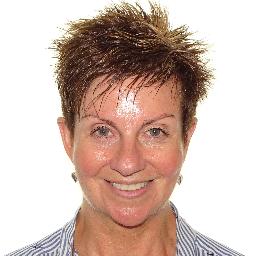
Samantha McEwan
BACP
4 years in practice BACP
Experienced BACP counsellor for stress and trauma
- Stress & Anxiety
- Relationship
- Trauma and Abuse
UK counsellors online
3,457 counsellors name trauma and abuse among the things they work with. All offer sessions online across the United Kingdom; each profile shows their register, experience and languages.
This page lists counsellors and therapists who specialise in trauma and abuse, including interpersonal violence, childhood adversity and complex trauma. Browse the profiles below to compare registration, therapeutic approaches, languages and specialisms to find a suitable counsellor.
BACP
4 years in practice BACP
Experienced BACP counsellor for stress and trauma
BACP
3 years in practice BACP
Supportive integrative counsellor for everyday challenges
BACP
6 years in practice BACP
Practical, compassionate therapy focused on everyday change
BACP
18 years in practice BACP English, Greek
Insight-led psychodynamic counsellor
BACP
7 years in practice BACP
Warm, person-centred counsellor focused on wellbeing
BACP
3 years in practice BACP
Helping people find practical steps forward
BACP
9 years in practice BACP
Compassionate client-centred counselling
BACP
23 years in practice BACP English, Portuguese
Experienced counsellor for stress and relationships
BACP
3 years in practice BACP
Compassionate, practical therapy for overwhelming feelings
BACP
3 years in practice BACP
Compassionate counsellor for anxiety and grief
BACP
3 years in practice BACP
Calm, practical support for stressful times
NCPS
13 years in practice NCPS
Practical, person-focused counselling for life changes
BACP
3 years in practice BACP
Compassionate, practical support for stress and trauma
BACP, NCPS
10 years in practice BACP, NCPS
Calm, practical therapy for everyday challenges
BACP
23 years in practice BACP
Practical, person-centred support for life’s hard moments
BACP
8 years in practice BACP
Compassionate, practical therapy for real life
BACP
5 years in practice BACP
Person-centred counsellor offering steady support
BACP
11 years in practice BACP
A steady, practical counsellor for life changes
BACP
7 years in practice BACP
Compassionate person-centred counsellor
BACP
5 years in practice BACP
Person-centred counselling with practical focus
BACP
11 years in practice BACP English, Portuguese
Deep reflective therapy for relationship and self issues
NCPS
3 years in practice NCPS
Support for stress, anxiety and life changes
BACP
3 years in practice BACP
Calm, practical support for life’s hard moments
BACP
7 years in practice BACP English, Swedish
Practical relational therapy for everyday struggles
BACP
10 years in practice BACP
Compassionate, practical therapy for everyday struggles
BACP
3 years in practice BACP
Calm, practical support for stress and life change
BACP
3 years in practice BACP
Person-centred counselling focused on your needs
NCPS
3 years in practice NCPS
Warm, relational counselling for stress and relationships
BACP
20 years in practice BACP
Person-centred support for lasting change
NCPS
5 years in practice NCPS
Person-centred counsellor focused on practical change
NCPS
15 years in practice NCPS
Practical, client-centred therapy for everyday challenges
NCPS
5 years in practice NCPS
Practical, person-centred support for everyday struggles
BACP
5 years in practice BACP
Person-centred counsellor focused on listening
BACP
3 years in practice BACP
Practical, compassionate therapy for everyday challenges
BACP
3 years in practice BACP
Understanding, practical counselling for life changes
NCPS
13 years in practice NCPS
A steady, practical counsellor for life changes
BACP
8 years in practice BACP
Practical therapy for anxiety and life change
BACP
14 years in practice BACP
Supportive counsellor for stress and relationships
BACP
6 years in practice BACP English, German
Experienced counsellor focusing on practical change
HCPC
14 years in practice HCPC English, Hindi
Supportive counsellor using practical therapy methods
BACP
3 years in practice BACP
Client-centred counsellor with psychodynamic and somatic focus
BACP
6 years in practice BACP
Practical, strengths-based counselling for life challenges
BACP
6 years in practice BACP
Practical, calm counselling for everyday challenges
We will earn a commission if you sign up through our link, at no cost to you.
Trauma and abuse cover a wide range of experiences that can leave a lasting mark on your life. Trauma might follow a single terrifying event or repeated harmful experiences over time. Abuse may be physical, sexual, emotional, psychological or neglect, and often occurs within relationships you once trusted. The emotional aftermath is not the same for everyone; some people find their day-to-day functioning altered, while others notice changes in how they feel about themselves, their relationships, or how they respond to reminders of what happened.
You might experience intrusive memories, heightened arousal, difficulty sleeping, or intense emotional reactions when something echoes the original harm. For many people, trauma can also change thinking patterns - making you feel permanently on edge, mistrustful, numb, or overwhelmed by shame and guilt. Physical sensations such as chronic pain, tension or unexpected startle responses are common. Over time, these changes can influence your work, friendships and family life. Recognising that these reactions are responses to distressing events - rather than evidence of personal failure - is an important step towards getting help.
If you are wondering whether therapy could help, pay attention to patterns that have become hard to manage. You might notice persistent nightmares or flashbacks that interrupt sleep and concentration. You may find yourself avoiding places, people or conversations that remind you of what happened, or using alcohol or other coping strategies to blunt painful memories. Emotional numbness, feeling detached from others or struggling to trust are also common indicators that the impact of trauma is ongoing.
Changes in relationships and self-image are also signals that professional support may be useful. Perhaps you find it hard to maintain close relationships, you have recurrent feelings of worthlessness, or you react strongly to perceived criticism. If your ability to work, study or care for yourself has been affected, that is a practical reason to look for specialist help. Therapy can offer a chance to understand these patterns, develop new ways of coping and rebuild a sense of safety and agency. If you are in immediate danger, or think you might harm yourself or someone else, seek urgent local help rather than waiting for therapy.
Your early sessions are usually about making contact, understanding your concerns and agreeing practical arrangements. You and your counsellor will talk about what brought you to therapy, the ways your life has been affected and what you hope to achieve. Counsellors often discuss information-sharing boundaries, session length, fees and how records are kept, as well as any boundaries and safeguarding responsibilities they must follow. You can expect a collaborative approach where your priorities shape the focus of the work.
Therapy for trauma and abuse often combines attention to immediate safety, emotional regulation and exploring memories or meanings attached to events. Early sessions may emphasise grounding techniques and ways to manage overwhelming feelings so you can engage in deeper work without being flooded. Over time you might explore the story of what happened in ways that feel manageable for you, examine beliefs about yourself that developed after the trauma, and practise new coping strategies to support daily life. Your pace will be set by you and negotiated with your counsellor.
Sessions typically last around 50 to 60 minutes, though formats can vary. Counsellors will explain how they record notes and how they follow professional and legal requirements for safeguarding and data protection. If you are accessing therapy online, you will discuss how to make sessions personal and comfortable for you, such as joining from a quiet space and planning what to do if you need to pause the session. You should feel able to raise concerns about any aspect of the therapy at any time.
There is no single approach that fits everyone, and counsellors often combine elements from different models to meet your needs. Many practitioners use trauma-focused cognitive and relational methods to help you reprocess distressing memories and shift unhelpful thinking patterns. Some counsellors emphasise body-based awareness and techniques that attend to physical responses, helping you to regulate arousal and feel more present in daily life. Others focus on rebuilding self-worth and repairing how you relate to others after harmful experiences.
When looking at profiles you will see therapists who list EMDR among their approaches, therapists who describe person-centred, psychodynamic, systemic or somatic-informed work, and those who include narrative or compassion-focused methods. Listing an approach on a profile does not alone indicate the extent of a therapist's experience with it, so you may want to ask about how they use particular methods in practice and how those methods might fit your situation. Many counsellors also mention their registration with professional bodies - for example registration with BACP, HCPC or NCPS - which can help you understand the professional framework they operate within.
Online therapy for trauma and abuse is commonly offered by UK counsellors and can be conducted by video, phone or text-based methods. You will arrange a suitable platform and the counsellor will explain how sessions will run. Choosing a comfortable setting is important - try to join from a quiet space where you will not be interrupted. It helps to ensure your internet connection is stable and to plan for times when you may need additional support after an intense session. Your counsellor should discuss safeguarding, emergency contacts and how to access local services if you are in crisis.
Selecting the right counsellor involves practical and personal considerations. Consider whether you want a counsellor who shares your language, cultural background or understands specific forms of abuse and its impact. Look at profiles to compare therapeutic approaches, years of practice and professional registration. Registration with a recognised UK body such as BACP, HCPC or NCPS signals that the counsellor adheres to an ethical framework and ongoing professional standards. You can also read how counsellors describe their specialisms and approach to trauma work to see whether their style matches your needs.
Before you commit to a longer course of therapy, think about asking potential counsellors how they usually approach trauma work, how they support clients to manage strong reactions between sessions and how they handle safety planning. Trust and a sense of being heard are fundamental in this work, so it is acceptable to try a short conversation or initial session to get a sense of whether you feel comfortable with a counsellor's manner. If therapy brings up distressing material, your counsellor should work with you to keep the process manageable and connected to your goals.
Reaching out for help after trauma or abuse can feel daunting, but many people find that carefully chosen therapeutic support helps them regain agency, process painful memories and rebuild relationships with themselves and others. Use the listings below to compare counsellors by registration, approaches, languages and written descriptions, and contact those whose profiles resonate with your needs.