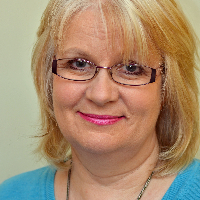
Samantha McEwan
BACP
4 years in practice BACP
Experienced BACP counsellor for stress and trauma
- Stress & Anxiety
- Relationship
- Trauma and Abuse
UK counsellors online
3,110 counsellors name attachment issues among the things they work with. All offer sessions online across the United Kingdom; each profile shows their register, experience and languages.
This page lists counsellors who specialise in attachment issues, relationship patterns and related emotional concerns. Browse the listings below to review profiles, approaches and registration details for therapists across the UK.
BACP
4 years in practice BACP
Experienced BACP counsellor for stress and trauma
BACP
6 years in practice BACP
Practical, compassionate therapy focused on everyday change
BACP
18 years in practice BACP English, Greek
Insight-led psychodynamic counsellor
BACP
3 years in practice BACP
Helping people find practical steps forward
BACP
23 years in practice BACP English, Portuguese
Experienced counsellor for stress and relationships
BACP
3 years in practice BACP
Compassionate, practical therapy for overwhelming feelings
BACP
3 years in practice BACP
Calm, practical support for stressful times
BACP
3 years in practice BACP
Experienced person-centred counsellor
NCPS
13 years in practice NCPS
Practical, person-focused counselling for life changes
BACP
3 years in practice BACP
Compassionate, practical support for stress and trauma
BACP
23 years in practice BACP
Practical, person-centred support for life’s hard moments
BACP
18 years in practice BACP English, Yoruba
Practical support for stress, anxiety and life change
BACP
8 years in practice BACP
Compassionate, practical therapy for real life
BACP
5 years in practice BACP
Person-centred counsellor offering steady support
BACP
4 years in practice BACP
Person-centred counsellor for relationship and identity concerns
BACP
7 years in practice BACP
Compassionate person-centred counsellor
BACP
5 years in practice BACP
Person-centred counselling with practical focus
BACP
11 years in practice BACP English, Portuguese
Deep reflective therapy for relationship and self issues
BACP
3 years in practice BACP
Calm, practical support for life’s hard moments
BACP
7 years in practice BACP English, Swedish
Practical relational therapy for everyday struggles
BACP
10 years in practice BACP
Compassionate, practical therapy for everyday struggles
BACP
3 years in practice BACP
Practical support for anxiety, grief and life changes
NCPS
3 years in practice NCPS
Warm, relational counselling for stress and relationships
4 years in practice NCPS English, Mandarin
Creative psychodrama counsellor for life changes
BACP
20 years in practice BACP
Person-centred support for lasting change
NCPS
15 years in practice NCPS
Practical, client-centred therapy for everyday challenges
NCPS
5 years in practice NCPS
Practical, person-centred support for everyday struggles
BACP
5 years in practice BACP
Person-centred counsellor focused on listening
BACP
3 years in practice BACP
Understanding, practical counselling for life changes
NCPS
13 years in practice NCPS
A steady, practical counsellor for life changes
BACP
8 years in practice BACP
Practical therapy for anxiety and life change
BACP
14 years in practice BACP
Supportive counsellor for stress and relationships
BACP
6 years in practice BACP English, German
Experienced counsellor focusing on practical change
HCPC
14 years in practice HCPC English, Hindi
Supportive counsellor using practical therapy methods
BACP
3 years in practice BACP
Client-centred counsellor with psychodynamic and somatic focus
BACP
6 years in practice BACP
Practical, strengths-based counselling for life challenges
BACP
6 years in practice BACP
Practical, calm counselling for everyday challenges
BACP, NCPS
8 years in practice BACP, NCPS
Support for stress, anxiety and relationships
NCPS
9 years in practice NCPS English, Dutch
Practical, person-focused support for everyday struggles
BACP
8 years in practice BACP English, Romanian
Calm, practical therapy for everyday challenges
BACP
5 years in practice BACP
Practical, compassionate counselling for life changes
BACP
26 years in practice BACP
Experienced integrative counsellor for lasting change
NCPS
4 years in practice NCPS
Compassionate practical therapy for life’s challenges
We will earn a commission if you sign up through our link, at no cost to you.
Attachment refers to the ways people form emotional bonds and manage closeness with others. Those patterns often begin in childhood but continue to shape adult behaviour, expectations and relationships. When attachment feels disrupted - for example because of early loss, inconsistent caregiving, trauma or repeated relational instability - you might find it hard to trust others, struggle with intimacy, or react strongly to perceived rejection. Attachment difficulties can show up as feeling unusually anxious when close to someone, withdrawing to protect yourself, or repeatedly choosing partners who recreate old relational dynamics.
These patterns are not a personal failing; they are adaptive responses that made sense at earlier stages of life. In therapy you can explore how early experiences continue to influence your relationships now. Most people who seek help want to reduce distress, improve connection with partners, family or friends, and make different choices in relationships. Therapy focused on attachment aims to increase awareness of these patterns and offer new ways of relating that feel more manageable and satisfying.
You might consider specialised help if emotional patterns keep reappearing in relationships despite efforts to change. Common signs include frequent relationship conflict over closeness or independence, intense fear of abandonment, difficulty trusting others, or repeated cycles of idealising then devaluing partners. You may notice somatic reactions - such as agitation, shutting down, or a sinking feeling in your stomach - when relationships become intense. Some people find they avoid relationships altogether to prevent perceived hurt, while others cling tightly and struggle to set boundaries.
If your reactions feel out of proportion to the situation, or if past experiences interfere with parenting, work or social life, therapy can provide a place to examine those links. You do not need a single crisis to benefit from this work; many people attend therapy to understand themselves better, to break unhelpful cycles, or to learn different ways of connecting that allow for both closeness and autonomy. Therapy can also help if you are parenting and want to recognise attachment patterns that affect how you relate to your child.
Therapy for attachment issues typically begins with assessment and establishing a therapeutic relationship that feels respectful and predictable. Early sessions often focus on your history, key relationships, and current patterns that cause distress. The pace can be tailored to your needs - some people prefer to explore memories and emotions gradually, while others seek more practical strategies for managing intense feelings in the moment.
The relationship with your counsellor is itself part of the work. How you relate in sessions - whether you feel seen, how you respond to perceived distance, or how you cope with disagreement - provides material to explore. A counsellor will aim to notice these patterns with you, offering opportunities to experience different responses and, when necessary, to repair ruptures in the alliance. This corrective experience can be a powerful route to changing long-standing relational habits.
Sessions may include talking through specific events, reflecting on your typical responses, and practicing new ways of communicating. You can also expect discussion about boundaries, safety and practical coping strategies for intense moments. Throughout, emphasis is placed on collaboration - you and your counsellor work together to set goals that make sense for the life you want to build.
Several approaches are commonly used to address attachment patterns, and therapists bring different blends of theory and technique. Psychodynamic work explores how early relationships shape current patterns and places attention on unconscious processes and long-standing relational templates. Attachment-focused therapies specifically emphasise the significance of early caregiving experiences and aim to build more supported ways of relating. Cognitive-behavioural approaches can help you identify and change unhelpful thoughts and behaviours that maintain anxious or avoidant patterns.
Emotion-focused work concentrates on recognising, naming and processing core feelings that underpin attachment reactions. Some counsellors incorporate systemic or family approaches to understand how wider relational contexts contribute to patterns. You may also find therapists who list EMDR among their approaches, somatic-informed work that attends to bodily responses, or narrative-informed approaches that explore the stories you tell about yourself and relationships. When reviewing profiles, note the approaches listed as a way to find a style that resonates with you, but remember that the approach name on a profile does not guarantee a specific training level.
Online therapy has become a common option for people seeking help with attachment-related concerns, offering flexibility and access across the UK. Sessions typically take place by video call, telephone or text-based messaging, allowing you to work from a personal, quiet space. Many people find that online sessions can feel intimate and effective, particularly when travel, family commitments or geographic location make in-person therapy difficult. Before starting, it helps to set up a consistent place where you can talk without interruption and to check the technical requirements for video calls so sessions run smoothly.
When choosing a counsellor, consider a few practical factors alongside approach. Look for registration with recognised UK bodies such as BACP, HCPC or NCPS, which indicates adherence to professional standards and ethical practice. Read profiles for descriptions of focus areas - some counsellors emphasise attachment patterns with adults, others specialise in parent-child relationships or couples work. Consider the therapist's stated approaches and whether those resonate with your preferences - for example, whether you favour reflective exploration, emotion-focused work, or practical skills-based strategies. Languages spoken, experience with relevant life stages, and any notes about working with trauma or complex grief can also be helpful to note.
It can be useful to prepare a short list of questions for an initial conversation or enquiry. You might ask how the counsellor typically works with attachment issues, what a typical session looks like, and how goals are reviewed over time. Many counsellors will outline how they handle practical matters such as session length and fees. Pay attention to how you feel in early contact - do you feel heard and respected? That initial impression can be informative because the relational quality of the therapeutic contact often mirrors later work.
Finally, remember that finding the right counsellor can take some time. You are looking for someone whose style and professional registration align with your needs, and where you can imagine doing the often challenging work of exploring long-standing patterns. Whether you choose in-person or online sessions, the aim is to find a collaborative relationship that helps you understand your attachment patterns and supports new ways of relating that feel more manageable and fulfilling.