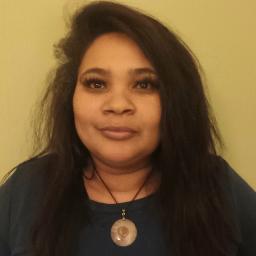
Ashleigh Brown
BACP
6 years in practice BACP
Practical, compassionate therapy focused on everyday change
- Stress & Anxiety
- Addictions
- Trauma and Abuse
UK counsellors online
922 counsellors name hospice and end-of-life counselling among the things they work with. All offer sessions online across the United Kingdom; each profile shows their register, experience and languages.
This page lists counsellors who specialise in hospice and end-of-life counselling across the UK. Browse the profiles below to compare focus areas, approaches, credentials and languages.
BACP
6 years in practice BACP
Practical, compassionate therapy focused on everyday change
BACP
18 years in practice BACP English, Greek
Insight-led psychodynamic counsellor
BACP
7 years in practice BACP
Warm, person-centred counsellor focused on wellbeing
BACP
3 years in practice BACP
Helping people find practical steps forward
NCPS
13 years in practice NCPS
Practical, person-focused counselling for life changes
BACP
23 years in practice BACP
Practical, person-centred support for life’s hard moments
BACP
7 years in practice BACP
Compassionate person-centred counsellor
BACP
10 years in practice BACP
Compassionate, practical therapy for everyday struggles
NCPS
5 years in practice NCPS
Practical, person-centred support for everyday struggles
BACP
8 years in practice BACP
Practical therapy for anxiety and life change
BACP
3 years in practice BACP
Client-centred counsellor with psychodynamic and somatic focus
BACP
7 years in practice BACP
Client-centred counsellor for life changes
BACP
6 years in practice BACP
Practical, calm counselling for everyday challenges
NCPS
4 years in practice NCPS
Compassionate practical therapy for life’s challenges
NCPS
18 years in practice NCPS
Calm, practical support for everyday struggles
BACP
16 years in practice BACP
Experienced counsellor for stress and life change
BACP
7 years in practice BACP
Practical, person-centred support for everyday struggles
NCPS
3 years in practice NCPS
Calm, practical therapy for everyday challenges
BACP
22 years in practice BACP English, Punjabi
Warm, practical therapy for life’s hard moments
BACP
5 years in practice BACP
Practical support for anxiety and life changes
BACP
3 years in practice BACP
Warm practical online counsellor
BACP
10 years in practice BACP
Practical, person-centred counselling for life challenges
BACP
9 years in practice BACP English, Polish
Experienced counsellor with a calm, listening approach
BACP
5 years in practice BACP
Practical support for stress, relationships and change
BACP
7 years in practice BACP
Compassionate, practical support for life’s challenges
BACP
8 years in practice BACP English, Russian
Practical therapy for stress and relationship pain
BACP
11 years in practice BACP
Practical, person-focused therapy for life challenges
BACP
8 years in practice BACP
Calm, pragmatic counsellor for life changes
BACP
4 years in practice BACP
Supportive client-centred counselling for life’s challenges
BACP
5 years in practice BACP
Helping people find practical ways forward
BACP
6 years in practice BACP
Calm support for stress and life changes
BACP
20 years in practice BACP
Experienced counsellor for stress and life changes
BACP
8 years in practice BACP English, Spanish
Supportive counsellor for emotional healing
BACP
24 years in practice BACP
Practical therapy for trauma and anxiety
BACP
5 years in practice BACP
Practical, person-centred support for life challenges
BACP, NCPS
5 years in practice BACP, NCPS
Helping people rebuild after big life changes
BACP
5 years in practice BACP
Compassionate counsellor for addiction and trauma
BACP
26 years in practice BACP
Experienced counsellor for grief and trauma recovery
BACP
9 years in practice BACP English, Hindi
Supportive therapist for anxiety and life change
NCPS
12 years in practice NCPS
Compassionate, practical counselling and psychotherapy
NCPS
12 years in practice NCPS
Compassionate counsellor combining practical and reflective work
We will earn a commission if you sign up through our link, at no cost to you.
Hospice and end-of-life counselling is a branch of therapeutic support that focuses on the emotional, psychological and practical concerns that arise when a life is drawing to a close, or when people are caring for someone who is dying. You may encounter this form of counselling at different stages - during palliative care, in a hospice setting, at home, or while supporting a loved one through advanced illness. The aim is to help people identify what matters most to them in the time they have left, to process fears and grief, and to find ways to cope with changes in role, identity and relationships.
For those who will be bereaved, end-of-life counselling often overlaps with pre-bereavement work - preparing emotionally and practically for loss. For carers and families the counselling focus can include managing caregiver stress, navigating family dynamics and making decisions about care. In many cases counselling is also used to attend to spiritual or existential questions, to help with legacy conversations and to support meaningful goodbyes. While the emotional material can be intense, counsellors aim to create a calm, compassionate space where difficult feelings can be expressed and explored.
You might consider specialist end-of-life counselling if you find yourself overwhelmed by anxiety about dying, persistent depression related to prognosis, or recurring intrusive thoughts about loss. Carers frequently report exhaustion, resentment, guilt or a sense of isolation while juggling practical tasks with emotional strain. You may notice changes in sleep, appetite or concentration, or feel that everyday routines are disrupted by anticipatory grief. Relationships can become strained as differing wishes and unresolved issues come to the fore, and counselling can give you a structured environment to address those tensions.
Other signs that counselling could be helpful include difficulty talking about death with family members, intense fear when thinking about the future, a sense of meaninglessness, or troubling physical reactions to stress such as panic-like episodes. If spiritual or existential questions are prominent, a counsellor experienced in end-of-life issues can help you explore these themes without making assumptions about beliefs. Counselling can also support practical emotional work such as making decisions about care preferences, communicating wishes, and preparing emotionally for bereavement.
When you meet a counsellor for end-of-life work the initial sessions usually focus on building a relationship and understanding your priorities and values. You can expect to discuss what matters most to you in the time ahead, who you want involved in conversations, and any practical concerns that are weighing on you. Sessions are typically guided at your pace - sometimes the focus will be on expressing fear and sadness, while at other times it will be on legacy planning, meaning-making or symptom management in collaboration with medical teams.
Therapeutic conversations often include exploring memories, preparing for conversations with loved ones, and developing coping strategies for distressing emotions. Counsellors may work with both the person approaching end of life and their family members, either together or separately, to support communication and reduce misunderstandings. You should expect that the counsellor will respect your cultural and spiritual background and will adapt conversations to your needs. Many sessions also include practical guidance about accessing community resources, bereavement services and chaplaincy or spiritual support when appropriate.
End-of-life counsellors draw on a range of approaches to meet different needs. You will find counsellors who list person-centred counselling among their approaches, which emphasises listening and creating a compassionate, non-judgemental environment. Existential approaches address questions of meaning, freedom and isolation, helping you to explore values and what gives life significance. Narrative approaches focus on the stories people tell about their lives and can help to reorganise those stories in a way that honours identity and relationships.
Other approaches commonly mentioned by counsellors include cognitive behavioural techniques to manage anxiety and low mood, mindfulness-based methods to reduce distress and promote presence, and meaning-centred approaches that specifically attend to legacy and purpose. Some counsellors note experience with compassion-focused work to address shame or self-blame, and others highlight family systems thinking to support carers and relatives. When reading profiles you may see therapists who list specific methods such as EMDR among their approaches; such listings indicate an approach the counsellor uses, not an assertion of formal training or certification in it. Conversations with a counsellor can help you understand which methods they favour and how those approaches would be applied to your situation.
Online counselling has become an important option for end-of-life support, especially when travel is difficult for the person who is unwell or for family members who live apart. Online work can take place by video call, telephone or messaging, and it can be used for single sessions around specific topics or for ongoing emotional support. Many people find that video sessions allow for visual connection similar to face-to-face meetings, while telephone conversations can be easier to fit around medical appointments and caregiving duties.
When using online counselling you should check how the counsellor manages practical issues such as session length, how sensitive topics will be handled, and what to do in a mental health emergency. In some cases counsellors coordinate with hospice teams, GPs or palliative care services to ensure joined-up support. Online therapy also makes it easier to access counsellors across the UK who specialise in particular approaches or who speak different languages, which can be especially valuable when cultural or faith-related matters are central to end-of-life conversations.
Selecting a counsellor for hospice and end-of-life work is a personal decision. Look for clear information about a counsellor's professional registration and background - many will be registered with the BACP, HCPC or NCPS, and this registration is a helpful indicator of professional standards and adherence to ethical codes. Read profile notes about areas of focus, approaches and experience supporting people with serious illness or bereavement, and consider whether a counsellor's stated values align with your needs.
Think about practical matters too, such as whether you prefer in-person meetings in a comfortable environment or the flexibility of online sessions, and whether you wish to work with someone who actively engages with families and carers. Language and cultural affinity can matter a great deal when exploring meaning and faith, so check for counsellors who list experience in relevant languages or community contexts. Many people also find it useful to have an initial conversation with a counsellor to sense whether the relationship feels respectful and responsive - that conversation can help you decide if their approach and manner suit you.
Finally, if you are accessing support through a hospice or health service, ask about how the counselling work will be coordinated with medical and pastoral care. You may also want to enquire about any practical considerations such as session length, fees and referral processes. Choosing a counsellor who combines experience with empathy can make a meaningful difference in navigating the emotional landscape of the end of life and bereavement.
Hospice and end-of-life counselling aims to hold complex emotions, practical decisions and questions of meaning with compassion and clarity. Whether you are facing the end of life yourself or supporting someone who is, the right counsellor can offer a steady presence, tailored approaches and help in making the time that remains as meaningful and manageable as possible.