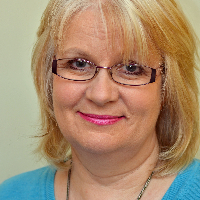
Samantha McEwan
BACP
4 years in practice BACP
Experienced BACP counsellor for stress and trauma
- Stress & Anxiety
- Relationship
- Trauma and Abuse
UK counsellors online
3,085 counsellors name communication problems among the things they work with. All offer sessions online across the United Kingdom; each profile shows their register, experience and languages.
This page lists counsellors who specialise in communication problems across the UK. Each profile shows therapeutic approaches, registration details and languages spoken. Browse the listings below to explore counsellors who list communication difficulties among their focus areas.
BACP
4 years in practice BACP
Experienced BACP counsellor for stress and trauma
BACP
6 years in practice BACP
Practical, compassionate therapy focused on everyday change
BACP
18 years in practice BACP English, Greek
Insight-led psychodynamic counsellor
BACP
3 years in practice BACP
Helping people find practical steps forward
BACP
9 years in practice BACP
Compassionate client-centred counselling
BACP
23 years in practice BACP English, Portuguese
Experienced counsellor for stress and relationships
BACP
3 years in practice BACP
Compassionate, practical therapy for overwhelming feelings
BACP
3 years in practice BACP
Compassionate counsellor for anxiety and grief
NCPS
13 years in practice NCPS
Practical, person-focused counselling for life changes
BACP
3 years in practice BACP
Calm practical support for anxiety and life changes
BACP
23 years in practice BACP
Practical, person-centred support for life’s hard moments
BACP
18 years in practice BACP English, Yoruba
Practical support for stress, anxiety and life change
BACP
8 years in practice BACP
Compassionate, practical therapy for real life
BACP
5 years in practice BACP
Person-centred counsellor offering steady support
BACP
11 years in practice BACP
A steady, practical counsellor for life changes
BACP
4 years in practice BACP
Person-centred counsellor for relationship and identity concerns
BACP
7 years in practice BACP
Compassionate person-centred counsellor
BACP
5 years in practice BACP
Person-centred counselling with practical focus
BACP
11 years in practice BACP English, Portuguese
Deep reflective therapy for relationship and self issues
BACP
3 years in practice BACP
Calm, practical support for life’s hard moments
BACP
7 years in practice BACP English, Swedish
Practical relational therapy for everyday struggles
BACP
10 years in practice BACP
Compassionate, practical therapy for everyday struggles
NCPS
3 years in practice NCPS
Warm, relational counselling for stress and relationships
4 years in practice NCPS English, Mandarin
Creative psychodrama counsellor for life changes
BACP
20 years in practice BACP
Person-centred support for lasting change
NCPS
15 years in practice NCPS
Practical, client-centred therapy for everyday challenges
NCPS
5 years in practice NCPS
Practical, person-centred support for everyday struggles
BACP
5 years in practice BACP
Person-centred counsellor focused on listening
BACP
3 years in practice BACP
Practical, compassionate therapy for everyday challenges
BACP
3 years in practice BACP
Understanding, practical counselling for life changes
NCPS
4 years in practice NCPS
Practical, straight-talking counselling and coaching
NCPS
13 years in practice NCPS
A steady, practical counsellor for life changes
BACP
8 years in practice BACP
Practical therapy for anxiety and life change
BACP
14 years in practice BACP
Supportive counsellor for stress and relationships
BACP
6 years in practice BACP English, German
Experienced counsellor focusing on practical change
HCPC
14 years in practice HCPC English, Hindi
Supportive counsellor using practical therapy methods
BACP
3 years in practice BACP
Client-centred counsellor with psychodynamic and somatic focus
BACP
6 years in practice BACP
Practical, strengths-based counselling for life challenges
BACP
7 years in practice BACP
Client-centred counsellor for life changes
BACP
6 years in practice BACP
Practical, calm counselling for everyday challenges
BACP, NCPS
8 years in practice BACP, NCPS
Support for stress, anxiety and relationships
NCPS
9 years in practice NCPS English, Dutch
Practical, person-focused support for everyday struggles
BACP
8 years in practice BACP English, Romanian
Calm, practical therapy for everyday challenges
BACP
5 years in practice BACP
Practical, compassionate counselling for life changes
We will earn a commission if you sign up through our link, at no cost to you.
Communication problems cover a wide range of difficulties that make it harder for you to express thoughts, be understood by others, or connect emotionally. These difficulties can arise in personal relationships, at work, within families or in social settings. For some people the issue is primarily about the words they use, for others it is about non-verbal signals such as tone, eye contact or body language. Cultural background, neurodiversity, anxiety, stress and past experiences can shape the way you communicate and the way others respond to you.
When communication becomes strained it often affects more than a single interaction. You may notice patterns: repeated misunderstandings, escalating disagreements, withdrawal, or a sense that your needs are not getting across. Over time these patterns can erode trust and make it harder to repair conflict. Recognising that communication is a learned skill can be helpful - with focused support it is possible to develop clearer ways of expressing yourself and new ways of listening to others.
Communication problems can show up in many contexts. They may become apparent in intimate relationships where high emotions make listening difficult, in workplaces where pressure and differing expectations cause friction, or in families where generational differences in style create recurring misunderstandings. You may also notice difficulty when a relationship is changing - for example after a childbirth, bereavement or relocation - because roles and expectations shift at those times. Understanding the context helps a counsellor work with you to address the patterns behind the problem rather than only the surface errors in exchange.
There are common indicators that communication difficulties are having a sustained impact on your wellbeing. If you find that arguments feel repetitive, that apologies are not followed by change, or that conversations regularly end with one or both of you feeling unheard, these are signs something more structured could help. You might arrive at a point where you avoid certain topics, fear conflict, or experience anxiety about speaking up. In the workplace, persistent misunderstandings can affect your role or career progression and may leave you feeling isolated.
Physical reactions can also signal deeper issues. You might notice tightness in the chest, trouble sleeping after disputes, or a tendency to shut down under stress. Children and adolescents can show their communication struggles differently - through withdrawal at school, behavioural changes or mood swings. If difficulty communicating affects relationships that matter to you, therapy can offer a space to explore patterns and practise new ways of interacting.
Choosing to seek support does not mean the problem is catastrophic. Many people come to counselling because they want a clearer way of relating rather than to fix a single crisis. If you have tried changing the way you speak and it has not been effective, or if attempts to resolve problems have made things worse, a counsellor can help you identify the underlying dynamics. It is also sensible to seek help when communication problems coincide with anxiety, depression or stress that affects your daily life, as addressing the broader picture can make practical changes more sustainable.
Therapy for communication problems typically begins with an assessment conversation where you will discuss the concerns that bring you to counselling, the patterns you notice and the goals you want to work towards. Sessions are collaborative - you and the counsellor will agree on priorities and methods that fit your situation. Early work often centres on building a shared understanding of how conversations tend to unfold between the people involved and what keeps negative patterns in place.
As therapy progresses you can expect to practise new skills in session and reflect on how these feel. This may include rehearsing phrases that express needs clearly, learning pacing and listening techniques that give others space to respond, or exploring emotional triggers that derail exchanges. If you are attending with a partner or family member the therapist may facilitate conversations that allow each person to speak and to be heard in a guided setting. The pace will be set to your needs and you will usually be encouraged to try small changes between sessions so progress can be observed and adapted.
Success in this kind of work is usually measured in practical shifts rather than a fixed endpoint. You may notice fewer misunderstandings, calmer conversations, or a greater ability to assert boundaries. Change can be incremental and requires practice, so many people find it helpful to approach therapy as a way to develop tools and insights that support long-term improvements in their relationships.
Therapists who list particular approaches among their methods bring different perspectives to the same issue. If you prefer structured skill-building you might find counsellors who list cognitive behavioural approaches useful because they focus on the links between thoughts, feelings and behaviours and often include practical exercises. If you are exploring relational patterns, therapists who list systemic or family approaches may look at the wider interpersonal context and how family roles shape communication.
Person-centred counsellors emphasise the relationship between you and the practitioner and create a calm space for you to explore your experience. Therapists who list emotion-focused approaches may help you identify and express feelings that influence the way you communicate. Narrative approaches invite you to examine the stories that shape how you present yourself and how others perceive you. Some counsellors combine elements from different approaches; the important point is whether the style feels like a good fit for you.
In the UK counsellors may be registered with recognised bodies such as BACP, HCPC or NCPS. Registration indicates adherence to a professional code and ongoing professional development. When reviewing profiles you can look for these details along with information about a counsellor's experience with communication-related work, their therapeutic approach and the client groups they list. This will help you choose someone whose background aligns with your needs.
Online therapy has become a common way to work on communication difficulties because it offers flexibility in location while still enabling meaningful interaction. Sessions may take place by video call or telephone, and some counsellors also use messaging for short check-ins. Online work can make it easier to involve geographically separated partners or family members and can be a practical option if you prefer to meet from home or a quiet place. You should expect the counsellor to explain how they handle your personal information and to discuss the practicalities of session length, fees and cancellation policies.
When choosing a counsellor for communication problems, consider the focus areas they list, the approaches they use and their registration details. Think about whether you want individual work or sessions that include a partner or family member. Check whether a counsellor notes experience with particular contexts that matter to you - such as workplace communication, neurodivergence or parenting - and whether any languages they speak will help. A counsellor's short profile can give a sense of their style and how they describe collaboration, which is often a helpful guide to whether you would feel comfortable working with them.
Approach the search as you would for any professional support. Read profiles carefully, note the therapeutic approaches and registration bodies mentioned, and look for a tone that matches your needs. If you need to involve other people in the work, look for clinicians who mention couples or family practice. Consider the session format you prefer and whether online or in-person meetings will suit your situation. Finally, allow yourself time to find a counsellor whose style helps you feel understood and able to practise change.
Working on communication takes patience and willingness to try new ways of relating. The counsellors listed on this site are described by their own profiles and approaches, so you can review different styles and registration details to choose who feels most appropriate for your needs. When you begin, aim for pragmatic goals, keep the focus on specific interactions you want to change, and allow the therapeutic relationship to support steady progress.