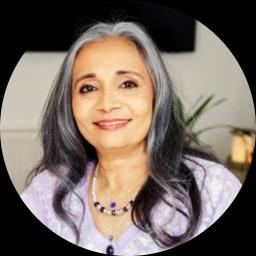
Ashleigh Brown
BACP
6 years in practice BACP
Practical, compassionate therapy focused on everyday change
- Stress & Anxiety
- Addictions
- Trauma and Abuse
UK counsellors online
1,232 counsellors name multicultural concerns among the things they work with. All offer sessions online across the United Kingdom; each profile shows their register, experience and languages.
On this page you will find UK counsellors who specialise in multicultural concerns, including issues relating to race, migration, faith and identity. Browse the listings below to explore counsellors' approaches, languages and professional registration.
BACP
6 years in practice BACP
Practical, compassionate therapy focused on everyday change
BACP
18 years in practice BACP English, Greek
Insight-led psychodynamic counsellor
BACP
7 years in practice BACP
Warm, person-centred counsellor focused on wellbeing
BACP
3 years in practice BACP
Helping people find practical steps forward
BACP
23 years in practice BACP English, Portuguese
Experienced counsellor for stress and relationships
BACP
3 years in practice BACP
Calm, practical support for stressful times
BACP
18 years in practice BACP English, Yoruba
Practical support for stress, anxiety and life change
BACP
5 years in practice BACP
Person-centred counsellor offering steady support
BACP
11 years in practice BACP English, Portuguese
Deep reflective therapy for relationship and self issues
BACP
7 years in practice BACP English, Swedish
Practical relational therapy for everyday struggles
BACP
8 years in practice BACP
Practical therapy for anxiety and life change
HCPC
14 years in practice HCPC English, Hindi
Supportive counsellor using practical therapy methods
BACP
3 years in practice BACP
Client-centred counsellor with psychodynamic and somatic focus
BACP
6 years in practice BACP
Practical, calm counselling for everyday challenges
BACP
8 years in practice BACP English, Romanian
Calm, practical therapy for everyday challenges
BACP
5 years in practice BACP
Practical, compassionate counselling for life changes
BACP
20 years in practice BACP
Person-centred counsellor with practical therapy tools
NCPS
18 years in practice NCPS
Calm, practical support for everyday struggles
NCPS
3 years in practice NCPS
Empathic psychodynamic counsellor for life challenges
BACP
4 years in practice BACP
Person-centred counsellor using mindfulness
BACP
4 years in practice BACP English, Thai
Integrative counsellor supporting emotional growth
BACP
15 years in practice BACP
Person-centred counsellor with practical therapeutic tools
BACP
7 years in practice BACP
Practical, person-centred support for everyday struggles
BACP
22 years in practice BACP English, Punjabi
Warm, practical therapy for life’s hard moments
NCPS
5 years in practice NCPS
Helpful, practical counselling for life challenges
BACP
7 years in practice BACP English, Czech
Person-centred counsellor supporting trauma recovery
BACP
10 years in practice BACP
Practical, person-centred counselling for life challenges
BACP
9 years in practice BACP English, Gujarati
Practical, culturally aware counselling
BACP
15 years in practice BACP
Compassionate online counsellor for life changes
BACP
8 years in practice BACP English, Bengali
Supportive counsellor for stress and relationships
NCPS
8 years in practice NCPS
Person-centred counsellor focused on practical change
BACP
5 years in practice BACP
Compassionate counsellor for real-life struggles
BACP
6 years in practice BACP English, Igbo
Compassionate counsellor who blends listening and practical tools
NCPS
5 years in practice NCPS English, Mandarin
Practical therapy for everyday emotional struggles
BACP
3 years in practice BACP English, Spanish
Compassionate, practical support for life changes
BACP
3 years in practice BACP
Person-centred counsellor focusing on connection
BACP
8 years in practice BACP English, Russian
Practical therapy for stress and relationship pain
16 years in practice NCPS English, Hindi
Experienced integrative psychotherapist focused on practical support
BACP
11 years in practice BACP
Practical, person-focused therapy for life challenges
BACP
22 years in practice BACP
Practical support for stress and relationships
BACP
14 years in practice BACP
Experienced counsellor offering calm practical support
BACP
5 years in practice BACP
Practical, person-centred support for life changes
BACP
8 years in practice BACP
Calm, pragmatic counsellor for life changes
NCPS
4 years in practice NCPS
Practical support for stress and relationships
5 years in practice BACP
Compassionate, practical therapy for life’s hard moments
We will earn a commission if you sign up through our link, at no cost to you.
Multicultural concerns cover the ways culture, ethnicity, religion, migration and social context shape your experience and wellbeing. You may be navigating the effects of racism, discrimination, microaggressions, cultural clash, language barriers, or differing family expectations across generations. These experiences can influence how you relate to others, how comfortable you feel seeking help and how you make sense of stress, loss or identity questions. For many people living in the UK, cultural background is not an add-on to other problems - it is central to how difficulties present and how healing happens.
Because culture touches so many areas of life, multicultural concerns often interact with work, relationships and mental health in ways that feel complex. For example, you might be trying to reconcile traditions from your family with norms in the wider community, or you may be managing the emotional labour of being a visible minority at work. You could be dealing with the effects of migration such as separation from kin, navigating new systems, or coping with uncertainty about status and belonging. Counselling that takes culture seriously aims to make space for these interlocking realities so therapy feels relevant to your lived life.
If you find that culturally specific issues are shaping how you feel day to day, therapy may help. You might notice persistent feelings of isolation because you are the only person from your background in certain settings, or you may feel misunderstood by friends or professionals who do not share your history. Recurrent distress following incidents of discrimination, or ongoing anxiety about how to pass on cultural practices to children, are other indicators that exploring these themes in conversation could be useful. People also seek support when identities feel conflicted - for instance when sexual orientation, religion and family expectations create pressure or guilt.
Other signs include difficulties in relationships that centre on cultural expectations, trouble communicating across generations, or a sense that standard therapeutic approaches do not acknowledge your context. If you are trying to process migration-related grief, experiences of persecution, or complex identity questions, a counsellor who understands multicultural dynamics can hold those concerns alongside wider emotional work. Therapy is not a one-size-fits-all intervention; finding a counsellor who understands culture as an active element in therapy can make the process more meaningful.
Early sessions typically involve building trust and mapping the cultural context of your concerns. Your counsellor will usually invite you to describe family history, migration pathways, faith or belief systems, and any experiences of discrimination that feel important. That groundwork helps you and the counsellor identify how cultural factors shape symptoms, coping strategies and relational patterns. Goal-setting in this work tends to be collaborative, with both practical aims - such as improving communication with relatives or managing workplace stress - and longer-term aims around identity and belonging.
Expect discussions to attend to power and difference in the therapeutic relationship. A culturally minded counsellor will acknowledge where they do not share your background and will invite you to name ways in which culture influences therapy itself. Sessions may combine exploration of feelings with practical skills for managing particular situations, such as asserting boundaries with family members or navigating cultural stigma around mental health. You will also discuss professional standards, record-keeping and data protection, and how your information is handled under relevant regulations such as GDPR and professional codes of practice.
Counsellors who specialise in multicultural concerns often draw on a range of approaches depending on what feels most relevant to you. Some will list person-centred work, which emphasises empathy and understanding as a way to explore identity and values. Others may mention cognitive-behavioural approaches adapted to cultural context, focusing on how thoughts shaped by cultural messages influence mood and behaviour. Psychodynamic thinking can help you trace how family and historical narratives affect current patterns, while systemic approaches can be useful when family expectations and intergenerational dynamics are central to the issue.
Therapists may also list narrative approaches that help you re-author your life story in ways that honour cultural experience, or trauma-informed frameworks that attend to the impact of racism, persecution or migration-related loss. When specific modalities are named in counsellor profiles, remember that the listing indicates how they describe their practice rather than a formal endorsement of particular training. Many people find that a blended approach, adapted collaboratively between you and the counsellor, best addresses the layered nature of multicultural concerns.
Online therapy offers flexibility when you need to reach a counsellor who understands your cultural background but who may not be located nearby. Sessions are commonly held by video call, phone or sometimes messaging formats, and they can make it easier to connect with counsellors who speak your language or have lived experience relevant to your situation. When you choose online work, think about where you will sit during sessions - a quiet room or other setting where you can speak freely and focus. You may also want to test your internet connection and familiarise yourself with the platform your counsellor uses, noting how it meets data protection obligations such as GDPR.
Online therapy can also present particular challenges if you share accommodation or need an interpreter. It helps to plan for possible interruptions and to discuss boundaries and contingency plans with your counsellor in the first sessions. Some people find online work reduces barriers to accessing culturally informed help, while others prefer face-to-face contact for certain topics; either option can be effective when matched to your needs and circumstances.
Begin by identifying what matters most to you - whether that is shared language, cultural background, knowledge of particular community norms, or experience working with migration and discrimination. Read counsellor profiles to learn how they describe their approach, the communities they work with and any languages they offer. Look for information about professional registration - for example with BACP, HCPC or NCPS - as well as statements about how they work with issues of race, faith and identity. Registration indicates that a counsellor adheres to a recognised code of practice and ongoing professional development.
When you get in touch, you can ask how they typically addressing cultural themes in therapy, how they handle different family expectations, and how they work with issues such as racism or religious conflict. It is reasonable to ask about session length, fees and how they approach safeguarding and emergencies. Trust your sense of whether the counsellor listens respectfully and whether their explanations feel relevant to your lived experience. Finding a good fit can take time - you can begin with an introductory conversation to get a feel for whether their style and values align with yours. Above all, choose a counsellor who treats culture as a central part of your story rather than a footnote.