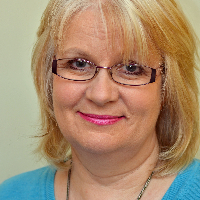
Samantha McEwan
BACP
4 years in practice BACP
Experienced BACP counsellor for stress and trauma
- Stress & Anxiety
- Relationship
- Trauma and Abuse
UK counsellors online
1,240 counsellors list Attachment-Based Therapy among their approaches. Listing an approach is not evidence of training in it; ask directly how they use it.
Attachment-Based Therapy draws on attachment theory to explore how early relationships shape emotional patterns and current relationships. Below you can browse counsellors who list this approach among their methods to find a good match for your needs.
BACP
4 years in practice BACP
Experienced BACP counsellor for stress and trauma
BACP
6 years in practice BACP
Practical, compassionate therapy focused on everyday change
BACP
3 years in practice BACP
Compassionate, practical therapy for overwhelming feelings
BACP
8 years in practice BACP
Compassionate, practical therapy for real life
BACP
5 years in practice BACP
Person-centred counselling with practical focus
BACP
7 years in practice BACP English, Swedish
Practical relational therapy for everyday struggles
NCPS
5 years in practice NCPS
Practical, person-centred support for everyday struggles
NCPS
13 years in practice NCPS
A steady, practical counsellor for life changes
BACP
8 years in practice BACP
Practical therapy for anxiety and life change
BACP
14 years in practice BACP
Supportive counsellor for stress and relationships
HCPC
14 years in practice HCPC English, Hindi
Supportive counsellor using practical therapy methods
BACP
6 years in practice BACP
Practical, calm counselling for everyday challenges
NCPS
4 years in practice NCPS
Compassionate practical therapy for life’s challenges
NCPS
18 years in practice NCPS
Calm, practical support for everyday struggles
NCPS
3 years in practice NCPS
Empathic psychodynamic counsellor for life challenges
BACP
15 years in practice BACP
Person-centred counsellor with practical therapeutic tools
BACP
16 years in practice BACP
Experienced counsellor for stress and life change
BACP
22 years in practice BACP English, Punjabi
Warm, practical therapy for life’s hard moments
NCPS
5 years in practice NCPS
Helpful, practical counselling for life challenges
BACP
3 years in practice BACP
Practical, person-centred support for relationship and trauma issues
BACP
6 years in practice BACP English, Punjabi
Practical, warm counselling for everyday struggles
NCPS
6 years in practice NCPS
Practical, compassionate support for life changes
BACP
3 years in practice BACP
Gentle, practical counselling for life changes
BACP
3 years in practice BACP
Warm practical online counsellor
BACP
9 years in practice BACP English, Gujarati
Practical, culturally aware counselling
BACP
10 years in practice BACP
Compassionate counsellor for relationship and life challenges
BACP
7 years in practice BACP
Experienced counsellor blending humanistic and practical methods
BACP, NCPS
17 years in practice BACP, NCPS
Calm, practical therapy for life’s hardest moments
BACP
5 years in practice BACP
Experienced psychotherapist focused on practical change
NCPS
4 years in practice NCPS
Calm, practical counsellor for everyday challenges
BACP
6 years in practice BACP English, Igbo
Compassionate counsellor who blends listening and practical tools
NCPS
5 years in practice NCPS English, Mandarin
Practical therapy for everyday emotional struggles
BACP
3 years in practice BACP English, Spanish
Compassionate, practical support for life changes
BACP
7 years in practice BACP
Compassionate, practical support for life’s challenges
3 years in practice BACP
Gentle, practical therapy for life's challenges
16 years in practice NCPS English, Hindi
Experienced integrative psychotherapist focused on practical support
BACP
4 years in practice BACP
Practical, calm support for life’s hard moments
BACP
3 years in practice BACP
Person-centred therapy for stress and relationships
NCPS
13 years in practice NCPS
Calm, practical counselling for life’s hard moments
BACP
11 years in practice BACP
Practical, person-focused therapy for life challenges
BACP
22 years in practice BACP
Practical support for stress and relationships
BACP
7 years in practice BACP
Compassionate counsellor focusing on attachment and coping
BACP
14 years in practice BACP
Experienced counsellor offering calm practical support
BACP
10 years in practice BACP English, German
Understanding, steady counselling for deep personal change
We will earn a commission if you sign up through our link, at no cost to you.
Attachment-Based Therapy grows out of attachment theory, a framework that looks at how bonds formed in childhood influence how you relate to others and manage emotions as an adult. The approach pays attention to the ways caregivers - and early relational experiences - contribute to expectations about safety, trust and closeness. In practice, that means the therapeutic work often focuses on patterns that repeat across relationships rather than only on isolated symptoms. You are invited to notice how you seek comfort, cope with threat and respond when relationships feel strained. The therapist helps you map those patterns and experiment with different ways of relating in the present so that new experiences can modify older expectations.
Several guiding principles shape this work. First, relationships and attachment patterns are central to emotional life, so understanding those dynamics can be key to change. Second, the therapeutic relationship itself becomes a space to explore and revise attachment expectations - how you experience empathy, consistency and responsiveness with a therapist matters. Third, the approach is often integrative, drawing on reflective dialogue, exploration of developmental history and attention to felt experience in the moment. You will typically be encouraged to reflect on both past and present relational moments so that insight and emotional learning can be connected to practical changes in day-to-day relationships.
Attachment-Based Therapy is frequently chosen when relational patterns are central to the difficulties you are experiencing. This can include repeated struggles in romantic relationships, difficulties with trust or intimacy, or strong reactions to separation and perceived rejection. People also seek this approach when early family relationships have left a lasting impact on self-esteem, emotional regulation or sense of safety in close relationships. The method is often used alongside work on anxiety, low mood, or longstanding interpersonal difficulties that are maintained by familiar attachment responses.
In addition, many find it helpful when parenting concerns arise, such as wanting to understand how your own history affects the way you parent. Some people bring issues that follow from attachment-related trauma or complex developmental histories. While the approach does not replace specialist medical or psychiatric care where that is needed, it offers a relational frame for understanding why certain patterns persist and how new relational experiences can support different outcomes.
When you attend a session, the pace is usually reflective rather than directive. Your counsellor will encourage you to describe moments that matter - a conflict with a partner, a memory from childhood, or a strong emotional reaction to a recent event. Through gentle questioning and empathic listening, the therapist helps you track what you were feeling in the moment, what you expected from others, and how you then responded. That exploration often moves between narrative - what happened - and felt experience - what you noticed in your body and emotions.
Sessions often include moments of interpretation and clarification, but they also prioritise corrective relational experiences within the session itself. For example, when you voice a fear of abandonment and the therapist responds with attunement and consistency, that interaction becomes data for change. Over time you may practice new ways of signalling needs, tolerating vulnerability and responding to others. Practical elements such as reflecting on patterns between sessions, rehearsing new communication styles, or exploring family history may form part of the ongoing work.
Attachment-Based Therapy places relationship and developmental history at the heart of the therapeutic task, which gives it a distinctive focus compared to some other approaches. Cognitive-behavioural methods emphasise identifying and changing thinking and behaviour patterns through structured exercises and often shorter-term plans. By contrast, attachment-informed work tends to prioritise how those cognitions and behaviours are rooted in early relational expectations and how they are played out in current relationships, including the therapeutic relationship itself.
Compared with more insight-oriented psychodynamic work, attachment-informed therapy is explicitly concerned with attachment processes and how corrective relational experiences can promote change. It shares an interest in developmental origins with psychodynamic approaches, but may place more emphasis on present relational experiments and relational repair. Systemic approaches concentrate on relational patterns across family or social systems, while attachment-informed work zeroes in on the internalised templates of relating that individuals carry - how you come to expect others to respond and how those expectations shape your behaviour. Many therapists integrate elements from several traditions, and you will often encounter attachment work offered alongside other methods, with the therapist tailoring the approach to your needs.
You may be a good candidate for attachment-informed work if you find that relationship themes recur in your life, if early caregiver relationships continue to feel unresolved, or if difficulties with trust, emotional closeness or regulation are prominent. The approach is often helpful when you want to explore how past relationships shape present responses, and when you value a therapeutic relationship that models different relational experiences. It can also be appropriate if you are parenting and want to understand how your history influences interactions with your children.
When choosing a counsellor who lists Attachment-Based Therapy among their approaches, consider several practical factors. Look for a therapist who describes experience with the issues that matter to you, a registration with a recognised UK professional body, and a therapeutic style that resonates with how you like to work. Think about practicalities such as whether you prefer face-to-face sessions in a local practice or online appointments, the location and languages offered, and the general cost model. An initial conversation with a counsellor can help you sense whether the relationship feels like a good match, how they describe their use of attachment ideas, and whether their approach aligns with your priorities for change.
Finding the right counsellor usually comes down to fit as much as technique. You may want someone who takes a gentle, exploratory stance or someone who combines attachment ideas with other methods you value. Read counsellor profiles to see how they frame their approach and the populations they commonly work with. Consider whether you prefer a therapist who emphasises developmental history, one who focuses on practical relationship skills, or a blended approach. It is reasonable to ask about their experience working with issues similar to yours and how they typically structure sessions when attachment concerns are central.
Attachment-Based Therapy can offer a way of understanding recurring relational patterns and trying out new ways of relating in a supportive setting. If attachment themes feel central to your difficulties, browsing counsellors who list Attachment-Based Therapy among their approaches can help you find someone who frames the work in a way that aligns with your goals. A thoughtful match between your needs and a therapist's described focus increases the chance that the work will feel relevant and helpful to you over time.