
Clarice Pilikian, BACP
Clarice Pilikian works from a client-centred approach to help people who are feeling overwhelmed by stress, anxiety, addiction or low self-esteem.
- Stress & Anxiety
- Addictions
- Relationship issues
- +3 more
About Clarice
Clarice Pilikian works from a client-centred approach to help people who are feeling overwhelmed by stress, anxiety, addiction or low self-esteem. She is a BACP therapist with eight years of practice in the United Kingdom and focuses on helping people rebuild their sense of self. Clarice aims to make sessions straightforward and practical for someone juggling care or work pressures.
She listens first and reflects what she hears back so the person can see their situation more clearly.
Background and approach
Sessions often look at relationship patterns, codependency and the long-term effects of shame and guilt. Clarice also supports people dealing with workplace stress, eating and food-related issues, hoarding, isolation and the impact of prejudice and discrimination. Her style is warm and non-judgemental.
She helps people notice small steps that lead to change and uses solution-focused ideas to identify practical next moves. Client-Centred Therapy guides the conversation so the person’s priorities shape the work. Clarice also has experience supporting visually impaired clients and women facing gendered pressures.
She invites people to explore forgiveness and self-love as part of recovery from addiction or difficult relationships. The aim is to restore agency and improve day-to-day coping. Sessions can be arranged as video calls, phone sessions, live chat or text-based messaging.
People start by completing a short matching questionnaire and then schedule appointments according to the therapist’s availability.
Registration
| Body | Registration number | Expires |
|---|---|---|
| BACP | 393056 | November 2026 |
Registration details are as listed on the counsellor's public profile. You can check any number with the registering body.
Sessions and payment
Sessions are held online through our partner platform, by video, phone or messaging depending on the counsellor.
Costs are shown on the partner platform before you commit. If cost is a concern, ask about reduced-fee options.
Focus areas and approaches
What Clarice works with
Everything Clarice lists, in their own terms.
- Stress, Anxiety
- Addictions
- Relationship issues
- Self esteem
- Depression
- Caregiver issues and stress
- Codependency
- Eating and food-related issues
- Forgiveness
- Guilt and shame
- Hoarding
- Isolation / loneliness
- Narcissism
- Prejudice and discrimination
- Self-love
- Visually impaired
- Women's issues
- Workplace issues
Approaches Clarice lists
Listing an approach is not evidence of training in it. This directory copies what each counsellor names and does not check training records.
Online support
Solution-focused therapy looks for practical next steps and small changes that move a person forward. It concentrates on strengths and what is already working, then builds simple, achievable goals. This method can suit stress, workplace issues, and problems where quick, manageable shifts make a real difference.
Finding the right mix of approaches is part of the work. The therapist will collaborate with each person to decide whether client-centred listening, solution-focused tasks, or a combination fits best. That decision is shaped by the person’s needs, goals and preferences so the plan feels achievable.
Online sessions are offered as video calls, phone sessions, live chat or text-based messaging to give practical flexibility. Video calls let people use visual cues and a fuller conversation. Phone sessions require less bandwidth and can be easier to fit into a busy day. Live chat and text sessions allow shorter check-ins or ongoing written reflection between calls. These options help make therapy more accessible around work, caring duties and day-to-day life.
Frequently asked
What concerns does this counsellor help with?
The therapist works with stress, anxiety, addictions, relationship issues, low self esteem and depression. She also addresses caregiver stress, codependency, eating and hoarding concerns among others.
What is the general therapeutic style?
The approach is primarily client-centred, with solution-focused techniques to identify small, practical steps. Sessions centre on listening and reflecting so the person shapes the direction of work.
How much experience does the counsellor have?
She has eight years of professional experience working with the issues listed in her profile.
What credentials and location are recorded?
She is a BACP therapist and a registered member MBACP based in the United Kingdom.
Which languages are supported and are international clients accepted?
Sessions are offered in English and international clients are not currently accepted.
How are sessions delivered?
Appointments are available as video calls, phone sessions, live chat or text-based messaging to suit different preferences and schedules.
How much do sessions cost?
Cost varies with location and therapist availability and sessions use a subscription that can be cancelled at any time.
What are the first steps to begin therapy?
Start by selecting the Start Therapy button, complete a short matching questionnaire, and then schedule sessions according to the therapist’s availability.
Update or remove this listing
Ask us to correct details or take the page down.
Contact usMore counsellors who work with Stress & Anxiety
All of them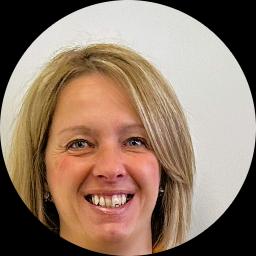
Samantha McEwan
BACP
4 years in practice BACP
Experienced BACP counsellor for stress and trauma
- Stress & Anxiety
- Relationship
- Trauma and Abuse

James Maynard
BACP
3 years in practice BACP
Supportive integrative counsellor for everyday challenges
- Stress & Anxiety
- Trauma and Abuse
- Grief

Ashleigh Brown
BACP
6 years in practice BACP
Practical, compassionate therapy focused on everyday change
- Stress & Anxiety
- Addictions
- Trauma and Abuse