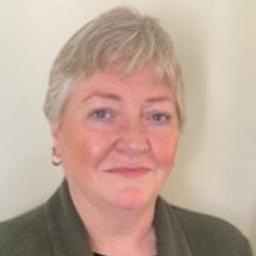
Ashleigh Brown
BACP
6 years in practice BACP
Practical, compassionate therapy focused on everyday change
- Stress & Anxiety
- Addictions
- Trauma and Abuse
UK counsellors online
624 counsellors name gender dysphoria among the things they work with. All offer sessions online across the United Kingdom; each profile shows their register, experience and languages.
On this page you will find counsellors and therapists who list gender dysphoria as a focus. Browse the profiles below to compare registration, approaches, languages and experience to find someone who feels right for you.
BACP
6 years in practice BACP
Practical, compassionate therapy focused on everyday change
BACP
18 years in practice BACP English, Greek
Insight-led psychodynamic counsellor
BACP
7 years in practice BACP
Warm, person-centred counsellor focused on wellbeing
BACP
3 years in practice BACP
Helping people find practical steps forward
BACP
8 years in practice BACP
Compassionate, practical therapy for real life
BACP
4 years in practice BACP
Person-centred counsellor for relationship and identity concerns
BACP
10 years in practice BACP
Compassionate, practical therapy for everyday struggles
BACP
8 years in practice BACP
Practical therapy for anxiety and life change
BACP
3 years in practice BACP
Client-centred counsellor with psychodynamic and somatic focus
BACP
6 years in practice BACP
Practical, calm counselling for everyday challenges
BACP
8 years in practice BACP English, Romanian
Calm, practical therapy for everyday challenges
NCPS
18 years in practice NCPS
Calm, practical support for everyday struggles
NCPS
3 years in practice NCPS
Person-focused counsellor for stress and life change
BACP
7 years in practice BACP
Practical, person-centred support for everyday struggles
NCPS
3 years in practice NCPS
Calm, practical therapy for everyday challenges
BACP
22 years in practice BACP English, Punjabi
Warm, practical therapy for life’s hard moments
NCPS
5 years in practice NCPS
Helpful, practical counselling for life challenges
BACP
5 years in practice BACP
Practical support for anxiety and life changes
BACP
7 years in practice BACP English, Czech
Person-centred counsellor supporting trauma recovery
BACP
3 years in practice BACP
Warm practical online counsellor
BACP
10 years in practice BACP
Compassionate counsellor for relationship and life challenges
BACP
11 years in practice BACP
Practical, compassionate counselling and CBT
NCPS
8 years in practice NCPS
Person-centred counsellor focused on practical change
BACP
6 years in practice BACP English, Igbo
Compassionate counsellor who blends listening and practical tools
BACP
12 years in practice BACP
Compassionate support for personal and sexual health concerns
16 years in practice NCPS English, Hindi
Experienced integrative psychotherapist focused on practical support
BACP
3 years in practice BACP
Person-centred therapy for stress and relationships
BACP
11 years in practice BACP
Practical, person-focused therapy for life challenges
BACP
5 years in practice BACP
Supportive counsellor using practical therapy
BACP
20 years in practice BACP English, Spanish
Person-centred counsellor focusing on patterns and change
BACP
8 years in practice BACP
Calm, pragmatic counsellor for life changes
6 years in practice BACP
Helpful, practical counselling support
BACP
3 years in practice BACP English, Polish
Therapist blending humanistic care and practical tools
BACP
4 years in practice BACP
Supportive client-centred counselling for life’s challenges
BACP
5 years in practice BACP
Helping people find practical ways forward
BACP
20 years in practice BACP
Experienced counsellor for stress and life changes
NCPS
9 years in practice NCPS
Practical, goal-focused therapy with a calm approach
BACP
8 years in practice BACP English, Spanish
Supportive counsellor for emotional healing
BACP
5 years in practice BACP
Practical, person-centred support for life challenges
NCPS
3 years in practice NCPS
Clear, practical support for anxiety and relationships
BACP
23 years in practice BACP
Person-centred counsellor focusing on practical change
HCPC
27 years in practice HCPC
Compassionate, practical therapy for lasting coping
NCPS
4 years in practice NCPS
Guided listening with practical tools
BACP
3 years in practice BACP
Person-centred counsellor offering affirming care
We will earn a commission if you sign up through our link, at no cost to you.
Gender dysphoria refers to the distress or discomfort some people experience when their gender identity does not align with the sex they were assigned at birth. The way this shows up can vary widely. For some people it is a persistent, long-standing feeling that affects day-to-day choices about clothing, name and pronouns. For others it might emerge at particular life stages, during puberty, or in response to social situations that highlight the mismatch between inner identity and external expectations.
The emotional and practical impact can reach into many parts of your life. You may notice increased anxiety, low mood, difficulties with body image, challenges in intimate or family relationships, or avoidance of social situations. Work and education can be affected if you feel unable to be yourself in those settings. Experiences of discrimination or misunderstanding from others can add layers of stress and isolation, making it harder to make decisions about identity and care pathways. Therapy can offer a space to explore these experiences and figure out what steps feel right for you.
There is no single indicator that means you should seek therapy; rather, it is about what feels unmanageable or confusing for you. You might consider counselling if thoughts about your gender are taking up a lot of mental energy, affecting your ability to concentrate, sleep or maintain relationships. If you experience persistent distress about your body, avoidance of situations where your gender might be questioned, or difficulty communicating your identity to loved ones, therapy can help you to untangle those feelings and identify practical steps.
People also come to therapy when they are weighing options about social or medical transition, when they need support telling family or employers, or when they are coping with discrimination, bullying or trauma related to gender. If you are a parent, partner or carer, you may seek support to better understand how to listen and respond. Therapy is not only for times of crisis; it can be a resource for reflection, planning and building resilience as you navigate decisions about your identity and life.
Your first few sessions are usually about building rapport and understanding your concerns in context. A therapist will ask about your experiences, what you hope to get from counselling, and any practical issues you face. This is a collaborative process - you and the therapist will set goals together, which might include exploring identity, managing distressing thoughts and feelings, improving communication with family, or planning next steps in social or medical pathways. Therapy can be short-term and task-focused or longer-term and exploratory, depending on what you want to achieve.
Therapists often work with a range of practical matters alongside emotional support. This might include helping you to prepare for conversations with health professionals, understanding local referral options, or developing coping strategies for transphobic experiences. If you are under 18, a therapist may discuss family involvement and safeguarding in line with professional and legal requirements. Many therapists who work with gender dysphoria are registered with recognised bodies such as the BACP, HCPC or NCPS; you can use registration as one way to learn about their accountability and professional standards.
There is no single accepted method for working with gender dysphoria, and different practitioners describe a variety of approaches. You may find therapists who list person-centred therapy among their approaches, focusing on listening and supporting you to make your own decisions. Others may list cognitive behavioural approaches that help you to recognise and reframe unhelpful thought patterns related to stress and body image. Some practitioners describe narrative or psychodynamic approaches that explore how past experiences and cultural narratives shape your sense of self.
Trauma-informed and minority-stress frameworks are often used to understand how discrimination and adverse experiences affect wellbeing. Family and systemic work can be helpful if relationships are a central concern. You will also encounter therapists who list approaches focused on practical decision-making and life planning, supporting social transition steps, name change processes and navigating health services. It is common and appropriate to ask about how a therapist works with issues of gender and trans experience, and to look for someone whose described approaches resonate with the kind of support you want.
Online therapy can offer accessibility and flexibility, allowing you to connect with therapists across the UK from home or another personal setting. Sessions commonly take place via video call, telephone or text-based messaging platforms that your therapist uses. The online format can make it easier to find someone who specifically lists gender dysphoria as a focus or who offers work in your preferred language. It also allows you to connect with clinicians who describe experience supporting trans and non-binary people without being limited by geography.
When using online therapy you will want to think about practical details such as the technology that will be used, session length, arrangements for sessions if you are interrupted, and how notes and records are handled. Therapists should be clear about their registration and professional body, and you can ask how they work with local services if you are accessing NHS pathways or need specialist referrals. Online work can be particularly helpful for people living in areas with fewer in-person options, for those who feel safer discussing gender matters remotely, or for those who need flexible scheduling around work or family commitments.
Selecting a therapist is a personal decision and it helps to think about what matters most to you. Consider whether you want someone with experience working with trans and non-binary people, whether you prefer a therapeutic style that is more directive or more exploratory, and whether language or cultural understanding is important. Look for details about registration with bodies such as BACP, HCPC or NCPS as an indicator of professional standards. You can compare focus areas, described approaches, credentials, languages and years of experience when reviewing profiles.
It is reasonable to ask a prospective therapist about their experience supporting people with gender dysphoria and what a typical course of work might look like for someone in your situation. You might also want to discuss how they approach coordination with medical teams or local support services if that matters to you. Trust your judgement about how you feel communicating with someone; a good therapeutic fit is often as much about feeling heard and respected as it is about specific methods. Taking the time to browse profiles and read descriptions will help you find a counsellor or therapist whose approach and professional standing align with your needs.