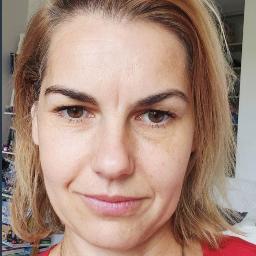
Paula Ciocirlau
BACP
8 years in practice BACP English, Romanian
Calm, practical therapy for everyday challenges
- Stress & Anxiety
- Relationship
- Parenting
UK counsellors online
31 counsellors name Romanian among the languages they offer sessions in.
Speaking with a counsellor in Romanian can make it easier to express feelings, memories and cultural concerns in your own words. Browse the Romanian-speaking therapists below to find profiles that describe approaches, experience and languages spoken.
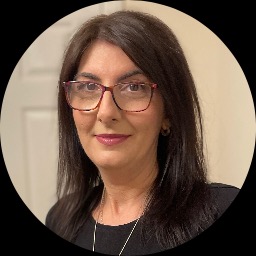
BACP
8 years in practice BACP English, Romanian
Calm, practical therapy for everyday challenges
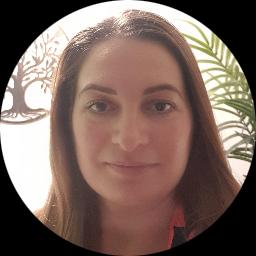
BACP, NCPS
4 years in practice BACP, NCPS English, Romanian
Practical counselling for relationships and life changes
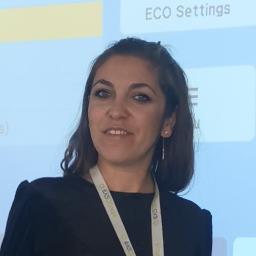
BACP
11 years in practice BACP English, Romanian
Therapist focusing on relationships and grief
BACP
3 years in practice BACP English, Romanian
Compassionate client-centred counsellor
BACP
6 years in practice BACP English, Romanian
Calm, values-led counselling for life changes
BACP
13 years in practice BACP English, Romanian
Calm, practical counselling for everyday struggles
BACP, NCPS
7 years in practice BACP, NCPS English, Romanian
Warm, practical therapy for anxiety and self-worth
BACP
14 years in practice BACP English, Romanian
Existential and attachment-informed counsellor
BACP
8 years in practice BACP English, Romanian
Practical, relationship-focused counselling for daily life
BACP
7 years in practice BACP English, Romanian
Helping people build skills for daily wellbeing
BACP
10 years in practice BACP English, Spanish
Relationship and trauma aware counsellor
BACP
3 years in practice BACP English, Romanian
Compassionate, goal-focused counselling for trauma recovery
BACP, NCPS
12 years in practice BACP, NCPS English, Romanian
Understanding and steady online counselling
NCPS
12 years in practice NCPS English, Romanian
Practical counselling that adapts to you
NCPS
20 years in practice NCPS English, Romanian
Compassionate counsellor for trauma and life changes
BACP
6 years in practice BACP English, Romanian
Warm BACP counsellor focused on practical change
NCPS
10 years in practice NCPS English, Romanian
Practical, relational psychotherapy for life changes
BACP
4 years in practice BACP English, Romanian
Compassionate counsellor for anxiety and life change
BACP
8 years in practice BACP English, Romanian
Psychodynamic and trauma-informed counsellor
BACP
3 years in practice BACP English, Romanian
Practical, person-focused support for life changes
NCPS
6 years in practice NCPS English, Romanian
Compassionate integrative counselling for practical change
BACP
3 years in practice BACP English, Hungarian
Calm, practical therapy for relationships and recovery
BACP
4 years in practice BACP English, French
Calm, practical counselling for stressful life moments
BACP
15 years in practice BACP English, French
Compassionate counsellor helping people find direction
BACP
22 years in practice BACP English, Romanian
Experienced psychotherapist focused on practical support
BACP
6 years in practice BACP English, Romanian
Practical, compassionate counselling for everyday struggles
BACP
10 years in practice BACP English, Romanian
Calm, practical counselling for difficult times
BACP
5 years in practice BACP English, Romanian
Integrative counsellor blending practical and relational tools
We will earn a commission if you sign up through our link, at no cost to you.
When you speak in your native language you often access subtleties of feeling and memory that are hard to reach in a second language. Emotional vocabulary, idioms and family expressions carry cultural meanings that shape how you understand yourself and your relationships. In a conversation in Romanian you may notice different metaphors, humour and ways of describing pain that feel more accurate and easier to work with. For many people who grew up speaking Romanian, therapy in that language reduces the mental effort of translating thoughts and allows you to focus on emotional content rather than searching for words. That can create space for deeper reflection and a fuller sense of being heard.
Language also shapes how you relate to cultural norms and expectations. You may find it easier to explain family dynamics, traditions and religious references in Romanian, and a counsellor who understands those cultural touchpoints can respond with sensitivity. This does not mean every Romanian-speaking counsellor will share your background, but the ability to talk in Romanian can help you express experiences that feel uniquely tied to your upbringing and social environment.
Working in a language you are less comfortable with can make therapy feel slow, tiring or superficial. If you are translating thoughts sentence by sentence, you may lose emotional nuance or miss metaphors that capture the essence of what you feel. That added cognitive load can reduce the time you spend exploring feelings and increase frustration. Misunderstandings are more likely when idioms and cultural references do not translate directly, and that can lead to sessions that revolve around clarification rather than emotional work.
You may also find that some topics are harder to raise in a second language because they are tied to concepts that exist in Romanian but not in the other language, or because the words in Romanian carry familial weight and associations. This can create a barrier to trust and depth. Choosing to work with a Romanian-speaking counsellor helps minimise those barriers so you can concentrate on the therapeutic process itself. It also makes it easier to bring in family expressions, proverbs or stories that matter to you and to explore how they shape your beliefs and behaviour.
Online therapy conducted in Romanian often mirrors in-person psychotherapy in structure, with regular appointments, agreed goals and a focus on the issues you bring. You can expect sessions to prioritise listening and reflection, and to involve questions that help you explore patterns, emotions and relationships. Some counsellors may describe their approach as integrative, psychodynamic, person-centred or cognitive-behavioural, and you will also find therapists who list EMDR among their approaches. Seeing how a counsellor describes their methods can help you understand how they might work with specific concerns, but these descriptions do not replace a conversation about what you need.
Online therapy offers practical flexibility - you can join sessions from the comfort of your home or another suitable setting and maintain continuity even if you move within the UK. Sessions may be offered by video or telephone, and some counsellors will outline whether they offer in-person meetings as well. While the medium changes how you interact - for example you may manage eye contact and pauses differently on screen - many people find that thoughtful, reflective work transfers well to an online format when the technology is reliable and both you and the counsellor agree on boundaries for sessions.
Cultural stigma around mental health is a frequent concern for people from Romanian communities. You may worry about family reaction, community judgement or the implications of discussing personal matters outside the family. These are valid concerns and can influence how openly you speak in sessions. Some Romanian speakers prefer a counsellor who understands the social pressures of the community, while others seek someone who can offer a neutral space to explore new perspectives. Either preference is understandable and depends on what you want from therapy.
Finding a counsellor who speaks Romanian is only one part of the decision. You may also be weighing questions about cultural competence, religious values, generational differences and migration-related stress. Experiences such as loneliness, relationship changes, grief, work pressures and legal or immigration matters can all intersect with language needs. It can help to look for counsellors who mention work with cross-cultural themes or who describe experience with migration and family separation. That way you can choose someone whose focus aligns with the particular challenges you want to address, while still having the conversation in Romanian.
Online therapy widens the pool of Romanian-speaking counsellors you can connect with across the UK, so you have more opportunity to find a good match in style, approach and experience. If you live outside major cities, online sessions can remove travel barriers and allow you to work with counsellors who might otherwise be too far away. The convenience of scheduling sessions around work or family life can also reduce stress and make it easier to maintain regular engagement with the therapy process. Many people find that the ability to continue sessions when circumstances change - for example after moving house - provides valuable continuity.
When choosing a Romanian-speaking counsellor, consider how they describe their therapeutic approach and whether it resonates with you. Look for counsellors who are registered, accredited or qualified with recognised UK professional bodies and who outline the kinds of issues they focus on. Think about practical elements too - such as session length, fees and whether they offer video or telephone sessions in Romanian - and make note of how they frame cultural and family concerns in their profiles. It can be helpful to prepare a few questions for a preliminary conversation so you can get a sense of their style and whether you feel comfortable speaking openly in Romanian with them.
Ultimately, finding a counsellor who speaks Romanian is about creating a space where you can be understood and where your cultural context is respected. Take your time reading profiles and thinking about what matters most in terms of approach, cultural sensitivity and practical arrangements. A considered choice can help you make the most of therapy in your native language and support the kind of progress you want to achieve.