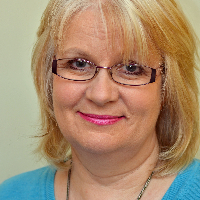
Samantha McEwan
BACP
4 years in practice BACP
Experienced BACP counsellor for stress and trauma
- Stress & Anxiety
- Relationship
- Trauma and Abuse
UK counsellors online
2,725 counsellors name separation among the things they work with. All offer sessions online across the United Kingdom; each profile shows their register, experience and languages.
Find counsellors who specialise in separation, relationship breakdowns and the emotional challenges that follow. Listings include approaches, registration details and languages to help you narrow your search. Browse the profiles below to learn more about practitioners who work in this area.
BACP
4 years in practice BACP
Experienced BACP counsellor for stress and trauma
BACP
6 years in practice BACP
Practical, compassionate therapy focused on everyday change
BACP
18 years in practice BACP English, Greek
Insight-led psychodynamic counsellor
BACP
3 years in practice BACP
Helping people find practical steps forward
BACP
9 years in practice BACP
Compassionate client-centred counselling
BACP
23 years in practice BACP English, Portuguese
Experienced counsellor for stress and relationships
BACP
3 years in practice BACP
Compassionate counsellor for anxiety and grief
BACP
3 years in practice BACP
Experienced person-centred counsellor
NCPS
13 years in practice NCPS
Practical, person-focused counselling for life changes
BACP
23 years in practice BACP
Practical, person-centred support for life’s hard moments
BACP
18 years in practice BACP English, Yoruba
Practical support for stress, anxiety and life change
BACP
8 years in practice BACP
Compassionate, practical therapy for real life
BACP
5 years in practice BACP
Person-centred counsellor offering steady support
BACP
7 years in practice BACP
Compassionate person-centred counsellor
BACP
11 years in practice BACP English, Portuguese
Deep reflective therapy for relationship and self issues
BACP
3 years in practice BACP
Calm, practical support for life’s hard moments
BACP
10 years in practice BACP
Compassionate, practical therapy for everyday struggles
BACP
20 years in practice BACP
Person-centred support for lasting change
NCPS
15 years in practice NCPS
Practical, client-centred therapy for everyday challenges
NCPS
5 years in practice NCPS
Practical, person-centred support for everyday struggles
BACP
5 years in practice BACP
Person-centred counsellor focused on listening
NCPS
13 years in practice NCPS
A steady, practical counsellor for life changes
BACP
8 years in practice BACP
Practical therapy for anxiety and life change
BACP
14 years in practice BACP
Supportive counsellor for stress and relationships
BACP
6 years in practice BACP English, German
Experienced counsellor focusing on practical change
HCPC
14 years in practice HCPC English, Hindi
Supportive counsellor using practical therapy methods
BACP
3 years in practice BACP
Client-centred counsellor with psychodynamic and somatic focus
BACP
6 years in practice BACP
Practical, strengths-based counselling for life challenges
BACP
6 years in practice BACP
Practical, calm counselling for everyday challenges
BACP, NCPS
8 years in practice BACP, NCPS
Support for stress, anxiety and relationships
NCPS
9 years in practice NCPS English, Dutch
Practical, person-focused support for everyday struggles
BACP
8 years in practice BACP English, Romanian
Calm, practical therapy for everyday challenges
BACP
5 years in practice BACP
Practical, compassionate counselling for life changes
BACP
26 years in practice BACP
Experienced integrative counsellor for lasting change
NCPS
4 years in practice NCPS
Compassionate practical therapy for life’s challenges
BACP
20 years in practice BACP
Person-centred counsellor with practical therapy tools
BACP
3 years in practice BACP
Person-centred counsellor for stress and change
NCPS
18 years in practice NCPS
Calm, practical support for everyday struggles
NCPS
3 years in practice NCPS
Empathic psychodynamic counsellor for life challenges
NCPS
3 years in practice NCPS
Person-focused counsellor for stress and life change
BACP
3 years in practice BACP
Compassionate, practical support for life changes
BACP
16 years in practice BACP
Experienced counsellor for stress and life change
BACP
7 years in practice BACP
Practical, person-centred support for everyday struggles
We will earn a commission if you sign up through our link, at no cost to you.
Separation is a broad term that covers many experiences - formal endings of long-term partnerships, moving apart after cohabitation, or the gradual disconnection that follows trust breakdowns. Whatever form it takes, separation can bring an intense mix of practical, emotional and social changes. You may find yourself juggling immediate concerns such as housing and finances while also navigating waves of grief, relief, anger, guilt or shame. These feelings can arrive unpredictably and may ripple into other areas of life such as work, sleep and your relationships with children, family or friends.
The impact of separation is not only emotional. You might notice cognitive changes - difficulty concentrating, memory lapses or repetitive thoughts - and shifts in your sense of identity as you reappraise who you are outside of the relationship. For those who share parenting responsibilities, co-ordination and boundary-setting present additional stress. Cultural expectations, family pressures or religious beliefs can colour how you process the separation, and this will vary from person to person. Importantly, there is no single correct way to feel; therapy can help you make sense of what you are experiencing and regain a sense of direction.
You might consider seeking professional support if the emotional fallout of separation is affecting your daily functioning or wellbeing. If you find that intense sadness, anxiety or anger persists beyond what you expect, or if these feelings interfere with your ability to work, sleep or maintain relationships, talking with a counsellor could help. Repeatedly reliving painful scenes, having intrusive thoughts about the relationship or engaging in harmful coping methods such as excessive drinking or isolation are signals that a different approach could be useful.
Therapy may also be helpful if you notice unhelpful patterns emerging in subsequent relationships, or if you struggle to communicate with an ex-partner around important matters like child arrangements. Sometimes people come to counselling because they want to understand their role in what happened, make sense of loss and regret, or find ways to move forward with more clarity. If you are unsure whether therapy is right for you, an initial conversation with a registered counsellor can help you weigh up the potential benefits and next steps.
When you begin work with a counsellor for separation, the first few sessions typically focus on building a therapeutic relationship and clarifying what you want from the work. Your counsellor may ask about the history of the relationship, practical considerations you are facing, and the emotional experience you are living with. Together you and the counsellor can set goals that might include managing distressing emotions, improving communication around co-parenting, rebuilding self-esteem or planning practical steps for the future. Goals can be reviewed and adjusted as you progress.
Therapy can be both exploratory and practical. Some sessions are conversational and reflective - giving you space to process grief or anger - while others may focus on practical skills such as boundary-setting or conflict management. If parenting arrangements are a concern, the counsellor can help you develop ways to manage conversations and protect your wellbeing during negotiations, though mediation is a distinct professional role and not the same as counselling. A counsellor who is registered with BACP, HCPC or NCPS will practise under an ethical code that includes clarity about fees, length of sessions and professional boundaries, so you can expect these topics to be discussed early on.
There is no single therapeutic model that suits everyone, and many counsellors blend different approaches to meet your needs. You will find practitioners who work from a psychodynamic perspective, which explores patterns from earlier relationships and how they show up now. Others may take a person-centred approach, offering empathic listening and a non-judgemental space for you to work through feelings at your own pace. Cognitive-behavioural ideas are often used to help you identify and adjust thinking and behaviour patterns that amplify distress, while narrative approaches can help you reframe the story you tell about the separation.
Some counsellors list emotion-focused or attachment-based approaches among their methods, which can be helpful if you are processing intense feelings or issues related to trust and closeness. You may also encounter counsellors who list trauma-informed work or EMDR among their approaches; when these are mentioned, it indicates they incorporate those perspectives, not that any specific certification is implied by a directory listing. Group work or support groups can offer peer contact and reduce isolation, and couples counselling remains an option for people who are considering separation but want to try structured dialogue first. When reviewing profiles, note which approaches a counsellor highlights and look for descriptions that match the type of support you feel would help you most.
Online counselling is a widely used option for people managing separation because it offers flexibility - you can connect from home, during a break from work, or while travelling between arrangements. Sessions usually happen by video-call, telephone or text-based messaging, and they follow the same professional boundaries as in-person work, including agreed session times and information-sharing boundaries under an ethical framework. Using online sessions can make it easier to maintain continuity of support when practical circumstances change, for example when moving house or coordinating with childcare. If you plan to use online therapy, it is sensible to agree a plan for technical issues, emergency contacts and a preferred way to end sessions if you are interrupted.
When choosing a counsellor, start with the practical factors that matter to you - whether you prefer in-person work or online sessions, session length and fee range, and the languages spoken. Next, read profiles for information about focus areas and therapeutic approaches. Look for counsellors who explicitly mention separation, relationship breakdown or co-parenting as areas of interest, and note any registration with professional bodies such as BACP, HCPC or NCPS as an indicator that they work to established standards of practice and ethics. It can also be helpful to consider a counsellor's experience with particular life stages - for example whether they work with young adults, parents, or older adults.
Beyond credentials, think about what you need from the relationship. Do you want practical, skills-based work, or do you prefer reflective, exploratory conversations about meaning and identity? Some people find that reading a counsellor's short profile gives a sense of tone and warmth; others prefer to contact a counsellor to ask about their approach, session structure and how they handle matters like information-sharing boundaries and safeguarding. There is no definitive checklist that guarantees a perfect match, but taking time to reflect on your priorities and asking questions helps you find a counsellor whose style aligns with the support you seek.
Separation is a significant life transition and seeking help is a practical way to reduce suffering and plan for the future. The counsellors listed on this site describe their areas of focus and professional registrations so you can make an informed choice about who might suit your needs. If you are unsure where to begin, consider starting with a profile that feels approachable and offers the blend of practical and emotional support you want as you navigate this next chapter.