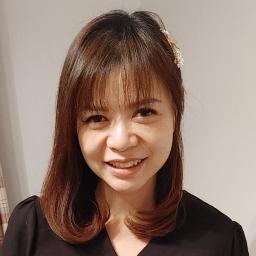
4 years in practice NCPS English, Mandarin
Creative psychodrama counsellor for life changes
- Stress & Anxiety
- Relationship
- Grief
UK counsellors online
25 counsellors name Mandarin among the languages they offer sessions in.
Accessing therapy in your native language can help you express feelings and cultural nuance more clearly. Below you can browse Mandarin-speaking counsellors to find someone whose approach and background match your needs.
4 years in practice NCPS English, Mandarin
Creative psychodrama counsellor for life changes
NCPS
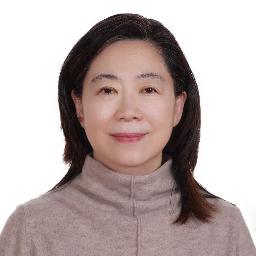
5 years in practice NCPS English, Mandarin
Practical therapy for everyday emotional struggles
BACP
7 years in practice BACP English, Mandarin
Experienced BACP counsellor focused on trauma and anxiety
BACP
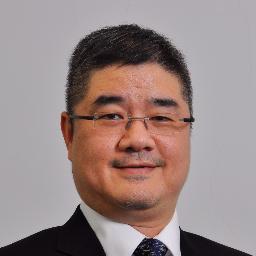
18 years in practice BACP English, Mandarin
Experienced bilingual counsellor focusing on relationships and stress
BACP
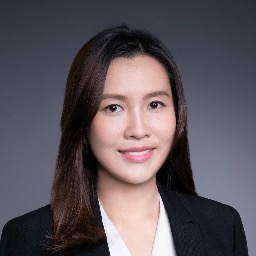
11 years in practice BACP English, Mandarin
Practical support for everyday struggles
BACP
3 years in practice BACP English, Mandarin
Calm, thoughtful counselling for emotional overwhelm
BACP
3 years in practice BACP English, Mandarin
Compassionate counsellor for relationship and grief concerns
BACP
3 years in practice BACP English, Mandarin
Psychodynamic counsellor helping adults understand feelings
BACP
10 years in practice BACP English, Mandarin
Calm practical counselling for everyday challenges
6 years in practice BACP English, Mandarin
Practical, compassionate counselling for life changes
BACP
13 years in practice BACP English, Mandarin
Calm, client-centred counselling for life changes
8 years in practice BACP English, Mandarin
Compassionate counsellor for life changes and identity
3 years in practice BACP English, Mandarin
Practical support for anxiety and life changes
BACP
10 years in practice BACP English, Mandarin
Compassionate counsellor for stress and trauma
10 years in practice HCPC English, Mandarin
Compassionate, practical therapy for distress
BACP
12 years in practice BACP English, Mandarin
Practical, client-centred support for everyday struggles
BACP
3 years in practice BACP English, Mandarin
Practical support for relationships and life changes
BACP
3 years in practice BACP Mandarin, Cantonese
Compassionate support for family and relationship strain
BACP
6 years in practice BACP English, Mandarin
Person-centred counsellor blending practical therapy
NCPS
12 years in practice NCPS English, Mandarin
Compassionate, practical counselling for life changes
BACP
6 years in practice BACP English, Mandarin
Understanding, bilingual counselling
BACP
5 years in practice BACP English, Mandarin
Compassionate counsellor for cultural and relational struggles
We will earn a commission if you sign up through our link, at no cost to you.
When you speak in your native language you often reach deeper layers of feeling and thought. Mandarin carries idioms, cultural references and emotional tones that do not always translate easily. For many people the difference between using a second language and speaking Mandarin is the difference between describing an experience and truly feeling it. You may find it easier to name emotions, recollect memories and explain family dynamics when you can use the exact words that carry personal meaning.
Language also shapes how you relate to cultural expectations and social roles. Concepts around filial duty, face and interdependence have shades of meaning in Mandarin that can be missed or softened when sessions are held in another language. Choosing a counsellor who speaks Mandarin can help you explore these topics with subtlety and depth, allowing discussions to reflect both the emotional tone and the cultural context that matter to you.
You might discover that certain jokes, proverbs or childhood images come more easily when you speak in Mandarin. These small details often unlock larger themes in therapy - identity, belonging and relationship patterns. If you grew up in a Mandarin-speaking home or community, a therapist who understands those linguistic cues is more likely to pick up on them and use them constructively in sessions.
Language barriers do more than slow the pace of a session. They can change the shape of what you disclose and how you process it. When you work in a second language you may rely on simpler words, avoid idiomatic expressions and oversimplify complex emotions. That may leave you feeling misunderstood or unsatisfied with the depth of exploration. Miscommunications can also lead to inaccurate conclusions about what you mean or how strongly you feel.
Even skilled translators or bilingual practitioners can miss subtleties - a turn of phrase, a cultural joke or a metaphor that holds personal significance. You may also find that switching between languages within a session affects your emotional rhythm - certain memories may be easier to access in one language than another. Recognising these limitations can help you make an informed choice about whether to seek a Mandarin-speaking counsellor or work with a bilingual approach.
Language-related misunderstandings can influence the pace of therapy, the goals you set and the techniques that feel most helpful. If you notice frequent misunderstandings, repeated clarifications or a persistent sense that something important is being lost in translation, that may be a sign that sessions in Mandarin would change the therapeutic experience. You have the right to look for a counsellor whose language and cultural sensitivity align with how you like to communicate.
Online therapy with a Mandarin-speaking counsellor typically follows the same structure as face-to-face work - introductory conversations, agreed goals and regular sessions - but delivered through video or telephone. Many people appreciate the convenience and the ability to speak from home or another comfortable environment. You should expect an initial conversation focused on what has brought you to therapy, how you prefer to communicate and what you hope to achieve over time.
Technology may feel unfamiliar at first, but many counsellors will guide you through how sessions work and what to do if you experience connection issues. Online work can make it easier to access Mandarin-speaking professionals who are not local to you, while still allowing you to maintain consistent contact. Data protection and professional practice are commonly discussed at the start of therapy so you understand how records are handled and how information-sharing boundaries in practice is maintained.
Different counsellors use different approaches. You may find professionals who list CBT among their approaches, psychodynamic therapy among their approaches, or person-centred methods among their approaches. Some therapists list EMDR among their approaches. These descriptions indicate the kinds of methods they use in sessions rather than specific accreditation in a technique. In an initial conversation you can ask how a counsellor adapts their approach to your needs and to the realities of online work.
Many Mandarin speakers hesitate to seek therapy because of cultural stigma, family expectations or worries about being judged. In some communities mental health remains a sensitive topic, framed in terms of perseverance or family reputation. You may also worry that a counsellor from a different background will not understand intergenerational dynamics, migration experiences or the pressures of balancing multiple cultural identities.
Finding a counsellor who speaks Mandarin can ease some of these worries by allowing you to explain family stories, values and expectations in the language in which they were formed. However you might still have concerns about information-sharing boundaries, the response of relatives or the practicalities of attending sessions. It is common to feel uncertain about the process at first, and many people find that a single conversation can clarify whether a counsellor’s style and cultural understanding feel like a fit.
Culture affects how you frame problems, what solutions feel acceptable and who you might tell about seeking help. When you speak Mandarin with your counsellor you can more easily place your experiences within that cultural frame and explore how to negotiate family expectations, work pressures and community attitudes. This makes therapy a place where cultural context is part of the therapeutic work rather than something that needs to be translated away.
Online therapy widens the pool of Mandarin-speaking counsellors you can consider. If you live in an area with few Mandarin speakers, virtual sessions allow you to connect with professionals across the UK. Online work can also offer greater scheduling flexibility and the comfort of talking from a familiar environment. For people juggling work, study or family responsibilities this flexibility often makes consistent therapy more feasible.
When choosing a counsellor think about language, cultural affinity and therapeutic approach. You might prefer someone who speaks Mandarin as a first language, or someone who is bilingual with experience working across cultures. Look at how counsellors describe their approach and note if they say they work with issues similar to yours. You may find counsellors who are registered with UK professional bodies; such registration signals that they adhere to recognised standards of practice and client care.
Start by clarifying what you want help with and what matters most in a counsellor - whether that is language nuance, a particular therapeutic approach, or shared cultural background. Read profile descriptions to see whether a counsellor lists CBT among their approaches, psychodynamic therapy among their approaches, or other methods that resonate with you. Consider arranging an introductory conversation to get a sense of how they communicate and whether their style feels like a fit.
Finally, trust your experience of the conversation. Feeling heard, comfortable and understood are important indicators. Choosing a Mandarin-speaking counsellor can be a meaningful step towards clearer emotional expression and culturally informed support. Take your time, and use the information available to find a counsellor whose language skills and approach match the way you want to work.