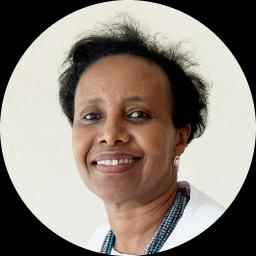
Ashleigh Brown
BACP
6 years in practice BACP
Practical, compassionate therapy focused on everyday change
- Stress & Anxiety
- Addictions
- Trauma and Abuse
UK counsellors online
140 counsellors list Eye Movement Desensitization and Reprocessing (EMDR) among their approaches. Listing an approach is not evidence of training in it; ask directly how they use it.
Eye Movement Desensitization and Reprocessing (EMDR) is a therapeutic approach used to support people processing distressing memories and intense emotional reactions. Below you can browse therapists who list EMDR among their approaches and learn about their qualifications, focus areas and methods.
BACP
6 years in practice BACP
Practical, compassionate therapy focused on everyday change
BACP, NCPS
10 years in practice BACP, NCPS
Calm, practical therapy for everyday challenges
BACP
22 years in practice BACP English, Punjabi
Warm, practical therapy for life’s hard moments
BACP, NCPS
17 years in practice BACP, NCPS
Calm, practical therapy for life’s hardest moments
BACP
5 years in practice BACP
Experienced psychotherapist focused on practical change
BACP
5 years in practice BACP
Helping people find practical ways forward
5 years in practice BACP English, Punjabi
Calm, practical support for life and relationships
BACP
11 years in practice BACP
Experienced counsellor offering practical, person-focused support
BACP
30 years in practice BACP
Experienced integrative counsellor for practical support
BACP
14 years in practice BACP
Experienced UK counsellor for trauma and anxiety
NCPS
4 years in practice NCPS
Calm, practical therapy for life’s hard moments
BACP
8 years in practice BACP English, Hindi
Practical, trauma-informed support with emotional focus
BACP
9 years in practice BACP
Calm, practical therapy for people facing big changes
BACP
3 years in practice BACP English, Central Khmer
Calm, attentive counselling with mindfulness experience
BACP
32 years in practice BACP English, Hindi
Calm practical support for trauma and life change
BACP
13 years in practice BACP English, Ndebele, South
Experienced human-centred psychotherapist
BACP
4 years in practice BACP
Person-centred counsellor using practical trauma and CBT methods
BACP
26 years in practice BACP
Practical support for stress and change
BACP
7 years in practice BACP English, Mandarin
Experienced BACP counsellor focused on trauma and anxiety
NCPS
17 years in practice NCPS
Experienced, practical psychotherapist for lasting change
BACP
14 years in practice BACP English, Indonesian
Practical support for anxiety, addiction and trauma
NCPS
6 years in practice NCPS
Person-centred help for anxiety and confidence
15 years in practice BACP English, French
Compassionate counsellor for trauma and anxiety
BACP
25 years in practice BACP
Therapist offering steady, depth-focused care
BACP
9 years in practice BACP English, German
Grounded therapy for stress and trauma
NCPS
15 years in practice NCPS
Support for anxiety, trauma and relationships
BACP
30 years in practice BACP
Experienced counsellor offering practical tools
5 years in practice NCPS English, Polish
Calm, practical therapy for anxiety and relationships
HCPC
27 years in practice HCPC English, Spanish
Practical therapy for stress and trauma
BACP
3 years in practice BACP
Collaborative counsellor for practical change
BACP
15 years in practice BACP
Compassionate, practical therapy for everyday struggles
BACP
7 years in practice BACP English, Persian
Compassionate practical counselling for everyday struggles
NCPS
10 years in practice NCPS English, Afrikaans
Short, practical therapy with clear tools
BACP
7 years in practice BACP English, Polish
Practical, trauma-aware counselling for everyday struggles
NCPS
6 years in practice NCPS
Supportive, practical therapy for overwhelm
BACP
13 years in practice BACP
Integrative, practical therapy for everyday challenges
BACP
5 years in practice BACP English, Bengali
Compassionate, practical therapy for relationship and trauma issues
BACP, NCPS
5 years in practice BACP, NCPS English, Yoruba
Compassionate trauma-informed counselling
BACP
26 years in practice BACP English, Arabic
Experienced counsellor for trauma and anxiety
NCPS
5 years in practice NCPS
Practical, down-to-earth counselling for everyday struggles
BACP
12 years in practice BACP
Calm guidance for stress and trauma recovery
9 years in practice BACP
Clear practical help for stress and relationships
27 years in practice BACP
Experienced counsellor for trauma and relationships
We will earn a commission if you sign up through our link, at no cost to you.
EMDR stands for Eye Movement Desensitization and Reprocessing. It is an approach that aims to help you process memories or experiences that continue to feel intrusive or emotionally charged. Rather than simply talking around a difficult memory, EMDR sessions typically guide you through a structured process that focuses on the memory while you follow a pattern of bilateral stimulation. That stimulation may involve guided eye movements, taps, or sounds that alternate from one side to the other. Practitioners who list EMDR among their approaches describe it as a way to reduce the intensity of distress when you recall certain events and to support changes in how those memories are stored in your mind.
The central idea behind EMDR is that some memories remain “stuck” after upsetting experiences, continuing to trigger strong emotions, bodily reactions and negative beliefs about yourself. The structured reprocessing aims to help those memories integrate more adaptively with other life experiences. During the process you will be supported to identify the memory, the sensory and emotional components that remain activated, and a more helpful way of thinking about the experience. Practitioners use bilateral stimulation alongside focused attention to facilitate this reprocessing. While the exact mechanisms remain a subject of ongoing study, many people report a reduction in emotional intensity and a clearer perspective on past events after undertaking EMDR-based work.
EMDR is widely used by practitioners as one option among others for people who want help with distressing memories and the patterns those memories produce in daily life. You may encounter EMDR being used when people are seeking support for trauma-related reactions, ongoing worries tied to past events, or intrusive images and nightmares. It is also used in contexts where people want to address specific phobias, painful bereavement, or intense reactions following accidents and assaults.
Because EMDR focuses on processing particular memories and their associated sensations, it is often considered when the distress is linked to discrete events or clusters of memories. Some people choose EMDR to address difficulties that have persisted despite previous talking therapies, while others combine it with different therapeutic approaches in order to work on practical coping strategies alongside memory-focused processing. If you are thinking about EMDR, it can help to consider whether the issues you want to work on centre on past experiences that still feel activated in your day-to-day life.
A typical course of work using EMDR approaches begins with assessment and preparation. In early sessions you and a practitioner will explore the concerns you want to address, identify target memories or themes, and consider current triggers and strengths. The practitioner will usually spend time helping you develop grounding and stabilising skills so you have ways to manage strong emotions between sessions.
When you move into the reprocessing phase, sessions become more focused on the chosen target memory. You will be asked to hold the memory in mind along with the distressing images, thoughts and bodily sensations that go with it. While you maintain that focus, the practitioner will introduce bilateral stimulation in a way that feels manageable for you. Sessions tend to alternate between short periods of stimulation and pauses during which you notice any changes in the memory or your reactions. Over time the memory may feel less charged, and you may notice shifts in the emotional tone and the beliefs you carry about yourself in relation to the event.
A session will usually end with grounding and reflection so you leave feeling able to cope. Many practitioners place importance on ongoing assessment, reviewing how targets have changed and deciding on new material to work on in subsequent sessions. The pace and number of sessions vary according to your needs, the complexity of the material and the way you respond to the reprocessing work.
EMDR differs from traditional talk therapies in its structured focus on discrete memories and in the use of bilateral stimulation during reprocessing. Whilst many talking therapies explore meaning, patterns and new perspectives through dialogue, EMDR sessions intentionally combine focused memory activation with stimuli that alternate between the left and right sides of the body. That combination is designed to facilitate a change in how a memory is held internally, which can lead to a reduction in emotional intensity without requiring you to repeat the event in detail for extended periods.
Compared with cognitive-behavioural methods that emphasise skill-building and the rehearsal of new thoughts and behaviours, EMDR often places more emphasis on processing the emotional and sensory aspects of past experiences. However, it is common for practitioners to integrate EMDR with other approaches so that you develop practical coping strategies alongside memory-focused work. The choice between methods or a combined approach will depend on your goals, preferences and how you respond when you try a given method.
You may be a good candidate for EMDR if the difficulties you want to address are closely linked to memories or events that continue to provoke strong reactions - for example intrusive images, flashbacks or intense shame. People who wish to work directly with the emotional impact of a past event often find EMDR a useful option to explore. That said, EMDR is not a single fit for everyone. If you have ongoing difficulties with very high distress levels or current circumstances that are unsafe or overwhelming, you and a practitioner will need to ensure appropriate preparation and supports are in place before starting memory-focused work.
Other factors to consider include your capacity to use grounding and regulation skills between sessions, the presence of complex or multiple traumatic experiences, and any physical or cognitive factors that might affect your ability to engage with bilateral stimulation. You can discuss these considerations with a counsellor who lists EMDR among their approaches in order to understand how they might tailor the work to your needs and circumstances.
When you are looking for a practitioner who offers EMDR-related approaches, it helps to think about more than the modality alone. Start by reading profiles to learn about a counsellor's professional background, registration or accreditation, the populations they work with and their particular specialisms. Many profiles also list the settings in which a counsellor works, the languages they offer and their experience with certain issues such as bereavement, relationship difficulties or workplace stress.
It is appropriate to ask potential counsellors how they integrate EMDR into their practice, what assessment and preparation they typically do, and how they pace reprocessing work. You may wish to know about the kinds of supports they suggest between sessions and how they work alongside other professionals if required. Comparing focus areas, therapeutic approaches, qualifications and experience will help you choose someone whose way of working aligns with your priorities. Finally, consider practicalities such as location, session format and fees when deciding who to contact for an initial conversation.
EMDR-style approaches can offer a distinct option for people seeking to address memories that feel unresolved or especially activating. By learning about the process, reflecting on the issues you want to address, and exploring counsellor profiles that list EMDR among their approaches, you can make an informed choice about the kind of support that feels right for you.