
Elizabeth Duffy, NCPS
Elizabeth Duffy offers calm, practical support for people feeling overwhelmed by stress, anxiety, addiction or loss.
About Elizabeth
Elizabeth Duffy offers calm, practical support for people feeling overwhelmed by stress, anxiety, addiction or loss. She introduces a straightforward, non-judgemental way of working so clients can talk about difficult thoughts and feelings without feeling criticised. Her approach is warm and person-centred from the start.
Elizabeth has 17 years of experience and holds NCPS. She draws on several approaches to match what each person needs. Sessions often focus on spotting unhelpful patterns, building small coping steps, and exploring strong emotions that get in the way of daily life.
Background and approach
In practical terms she helps people manage depression, trauma and abuse, relationship and intimacy challenges, and problems with sleep or eating. She also supports those dealing with grief, career stress, compassion fatigue and ADHD-related concerns. Elizabeth works with issues such as obsessions and compulsions, self-harm, and sexual or substance-related addictions.
Her style mixes talking therapy with practical techniques. That can mean noticing thinking styles with cognitive tools, staying with feeling in emotionally focused work, or using mindfulness to steady the mind. Motivational interviewing is used when people want to change behaviours but feel stuck.
People who meet Elizabeth find a steady, patient presence and a focus on doable steps. She invites clients to set the pace and priorities. The goal is clearer thinking, calmer responses, and better coping day to day.
Registration
| Body | Registration number | Expires |
|---|---|---|
| NCPS | NCS19-08225 | June 2026 |
Registration details are as listed on the counsellor's public profile. You can check any number with the registering body.
Sessions and payment
Sessions are held online through our partner platform, by video, phone or messaging depending on the counsellor.
Costs are shown on the partner platform before you commit. If cost is a concern, ask about reduced-fee options.
Focus areas and approaches
What Elizabeth works with
Everything Elizabeth lists, in their own terms.
- Stress, Anxiety
- Addictions
- Trauma and abuse
- Depression
- LGBT
- Relationship issues
- Family conflicts
- Grief
- Intimacy-related issues
- Eating disorders
- Sleeping disorders
- Parenting issues
- Anger management
- Self esteem
- Career difficulties
- Bipolar disorder
- Coping with life changes
- Coaching
- Compassion fatigue
- ADHD
- Autism and Asperger Syndrome
- Control issues
- Coping with natural or human-caused disaster
- First responder issues
- HIV / AIDS
- Infidelity
- Intellectual disability
- Isolation / loneliness
- Obsessions, compulsions, and OCD
- Paranoia
- Personality disorders
- Self-harm
- Sex addiction
- Social anxiety and phobia
Approaches Elizabeth lists
- Client-Centred Therapy
- Cognitive Behavioural Therapy (CBT)
- Emotionally-Focused Therapy (EFT)
- Mindfulness Therapy
- Motivational Interviewing
- Psychodynamic Therapy
- Solution-Focused Therapy
- Trauma-Focused Therapy
Listing an approach is not evidence of training in it. This directory copies what each counsellor names and does not check training records.
Online support
Choosing the right approach is part of the work. The therapist will discuss goals, try methods that suit the person's needs, and adjust the plan as progress happens. This is a collaborative process where client feedback guides which approaches continue or change.
Online therapy offers several practical benefits. Video calls allow face-to-face conversation when meeting in person is difficult. Phone sessions work well when bandwidth is low or when someone prefers not to be on camera. Live chat and text messaging let people check in between sessions, jot down thoughts, or have short updates that fit around work and family life. These options provide flexibility and make it easier to keep a steady routine of support with registered or accredited professionals.
Frequently asked
What kinds of concerns can be discussed?
Sessions cover stress, anxiety, depression, trauma and abuse, addictions, relationship and intimacy difficulties, grief, anger, sleep and eating problems, ADHD and a broad range of other concerns.
How would you describe the therapeutic style?
The style is person-centred and practical, combining emotional exploration with concrete techniques like cognitive work and mindfulness to help with everyday coping.
How much experience does the counsellor have?
Elizabeth brings 17 years of professional experience to her practice and has worked with a wide range of difficulties over that time.
What credentials and location are listed?
She holds NCPS and is based in the United Kingdom.
In which languages can sessions be held?
Sessions are offered in English.
Which session formats are available?
Work can be carried out via video calls, phone sessions, live chat, or text-based messaging to suit different needs and routines.
How are fees and payments handled?
Cost varies with location and therapist availability; sessions use a subscription model that can be cancelled at any time.
What are the first steps to begin therapy?
To start, select the Start Therapy button, complete a short matching questionnaire, and then schedule sessions according to therapist availability.
Update or remove this listing
Ask us to correct details or take the page down.
Contact usMore counsellors who work with Stress & Anxiety
All of them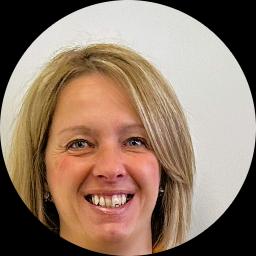
Samantha McEwan
BACP
4 years in practice BACP
Experienced BACP counsellor for stress and trauma
- Stress & Anxiety
- Relationship
- Trauma and Abuse

James Maynard
BACP
3 years in practice BACP
Supportive integrative counsellor for everyday challenges
- Stress & Anxiety
- Trauma and Abuse
- Grief

Ashleigh Brown
BACP
6 years in practice BACP
Practical, compassionate therapy focused on everyday change
- Stress & Anxiety
- Addictions
- Trauma and Abuse